Beef Nutrition

Using Drought-Stressed Corn as Forage
Drought-stressed corn is a common challenge during dry growing seasons, but it does not necessarily result in a total loss of feed value. With proper harvest and storage management, drought-damaged corn can remain a useful and economical forage source.

Developing Heifers to Fit Your Production Environment
The long-term sustainability and profitability of the cow-calf industry depend on retaining females that fit both the production goals and environmental constraints of an operation.
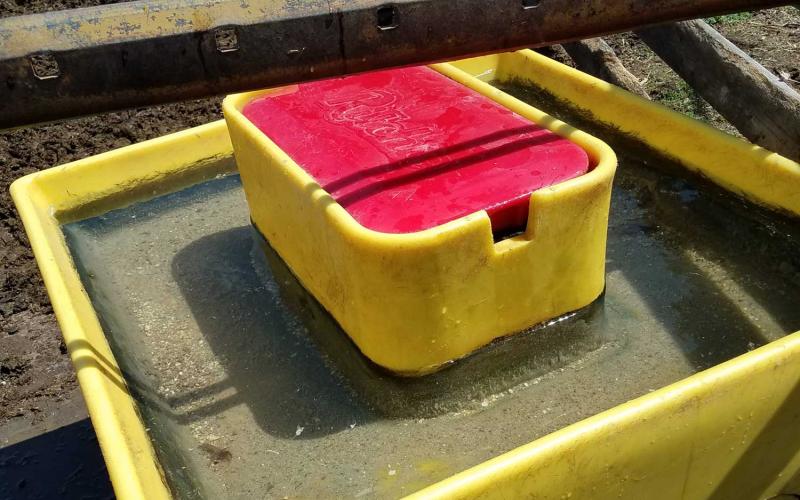
Water: The Unappreciated Nutrient
Water intake is strongly linked to feed intake, so any factors that cause cattle to drink less will lead to reduced feed intake and consequently reduced performance.
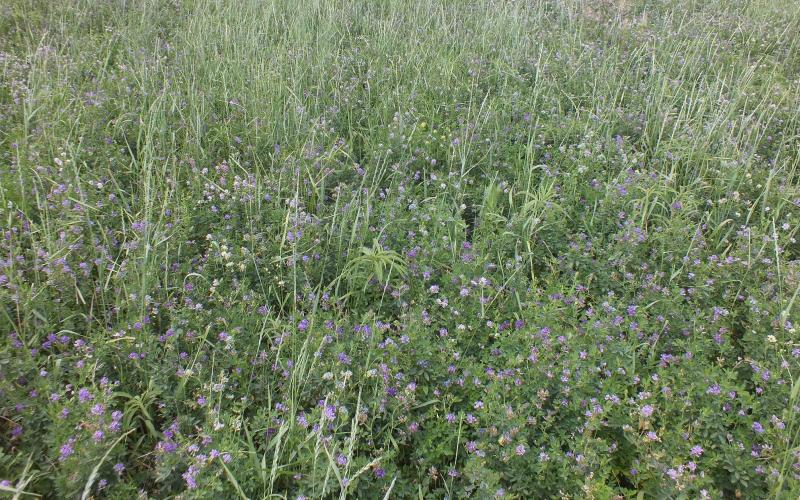
Testing Forages for Nitrates
Free nitrate testing is available at various locations across the state. Nitrate testing strips are used to provide a semi-quantitative value of nitrate levels in forages. It allows producers to make decisions based on the presence or absence of nitrates and appropriate timing for cutting.
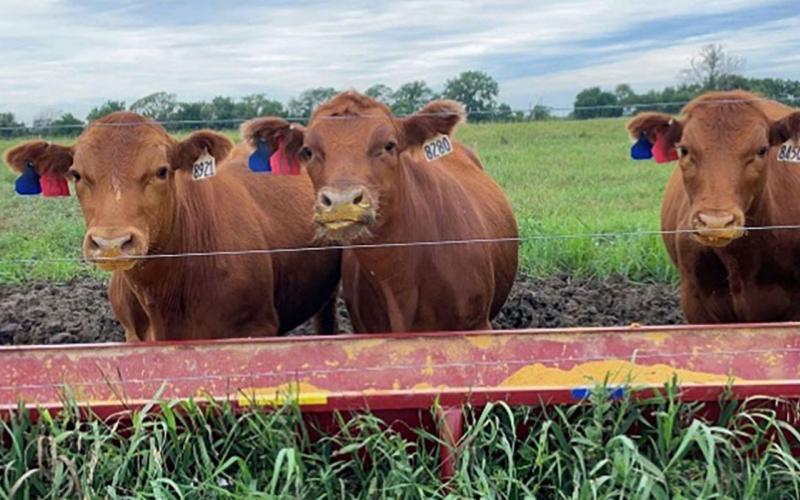
Animal Science Research and Extension Report
Research report from Animal Science Department covering a variety of areas in livestock production.
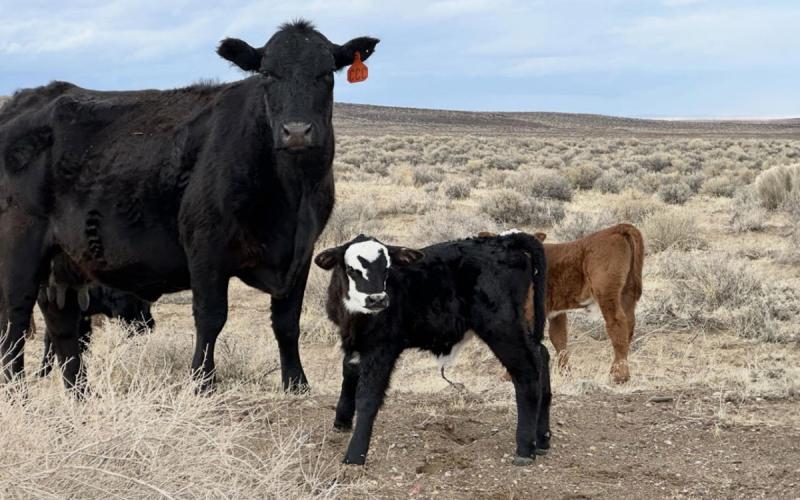
Managing the Cow Herd Through Drought
Drought remains one of the most persistent and difficult challenges facing cattle producers. Managing a cow herd under drought conditions requires balancing short-term survival with long-term productivity.
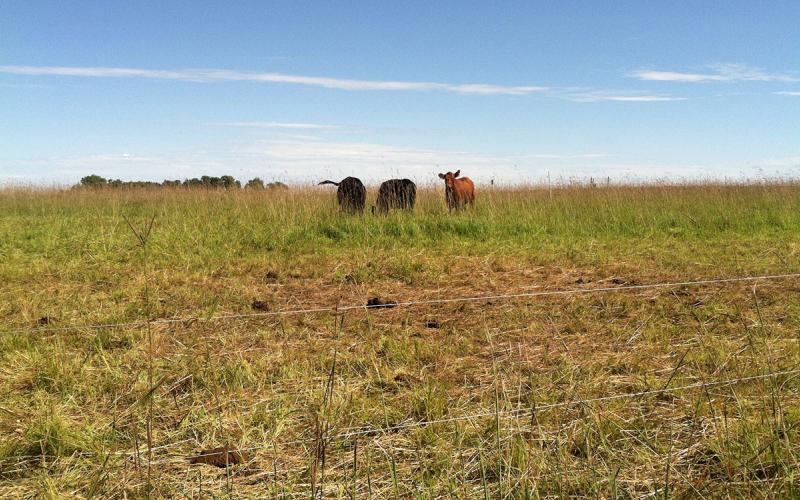
Connecting Nutrition and Conservation: The Importance of CPS 592
Conservation Practice Standard (CPS) 592 is a practical feed management framework that helps producers move toward greater profitability, accountability, and sustainability without sacrificing performance.
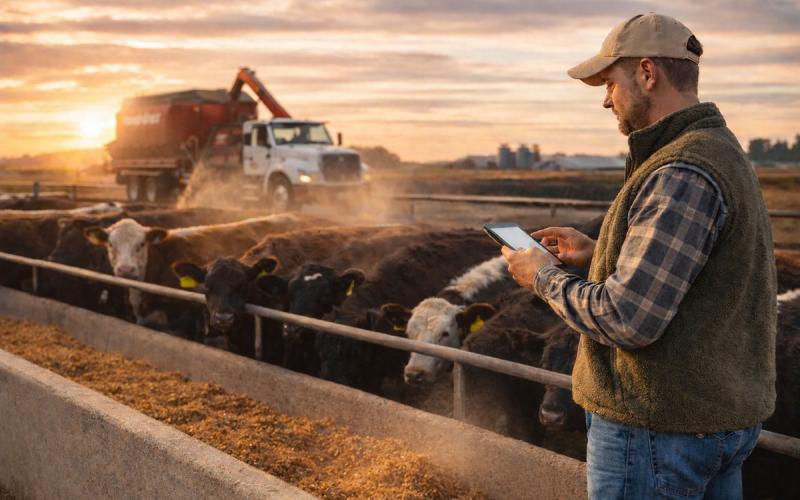
Feed Management in a High-Data Livestock Industry
Livestock feeding systems are generating more data than ever before. In modern feed management, success depends less on how much data is collected and more on how effectively that data is translated into biologically sound decisions.
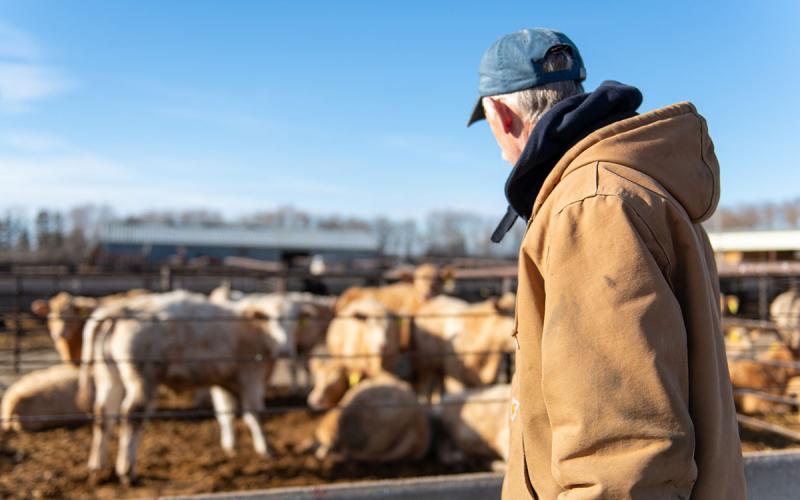
Animal Nutrition Program’s Feed Management Committee: Feed to Gain Calculator - Fat Inclusion
Adding fat to cattle diets is a common strategy to increase dietary energy density. Learn how to make informed feed decisions using a feed-to-gain breakeven calculator developed by the National Animal Nutrition Program Feed Management Committee.
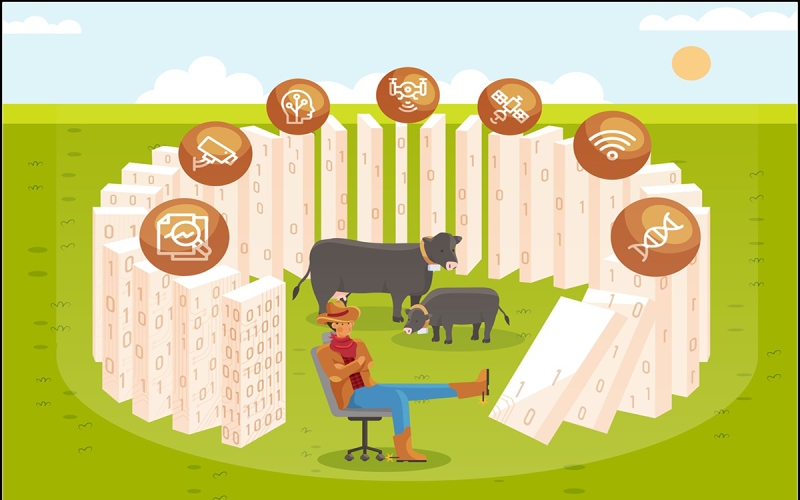
From One Decision to Many Outcomes: Why feed management decisions ripple through beef production systems
Feed management is the starting point of a system that rewards informed decisions and magnifies uninformed ones. Producers who use feed informed nutrition models are often able to reduce waste, increase gains, and decrease costs.