Beef Nutrition
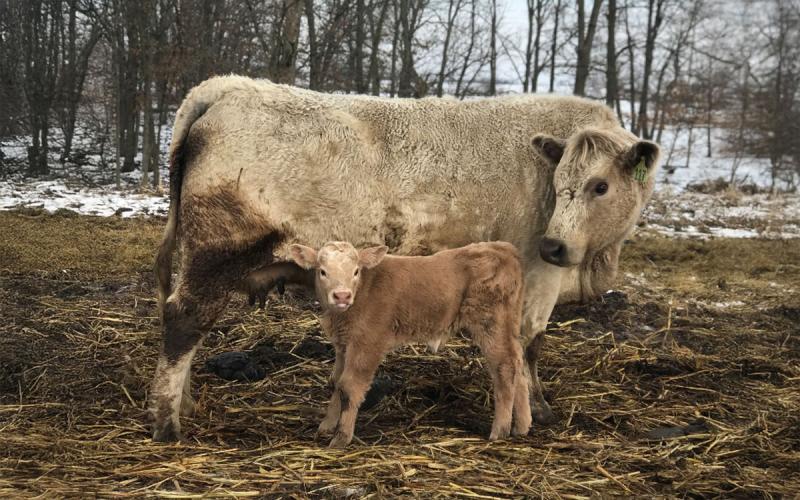
Matching Winter Forage Supply to Herd Needs
Most operations feed hay based on convenience rather than cow requirements. Feeding the same hay to all cattle throughout the winter may be simple and efficient, but it often leads to overspending, or underfeeding.
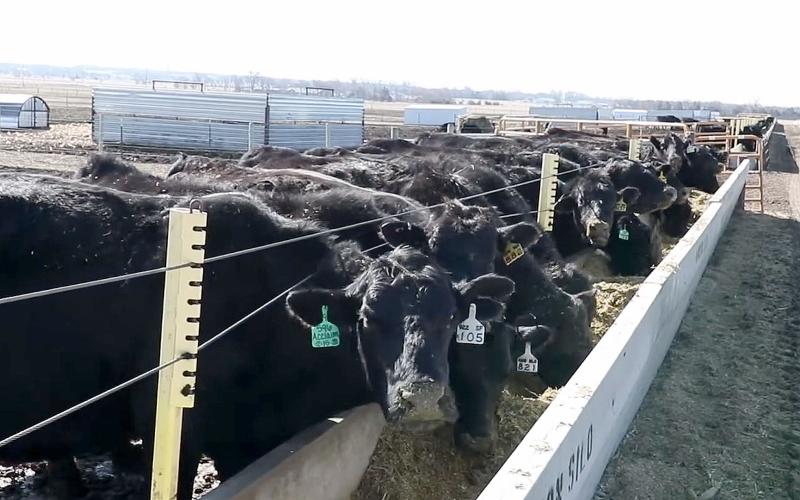
Replacing Distillers Grains with Heat-Treated Soybeans to Increase Finishing Cattle Growth
Heat-treated soybeans offer interesting attributes that could enhance cattle growth. The SDSU Feedlot Research group recently examined how they can fit into modern cattle feeding diets.
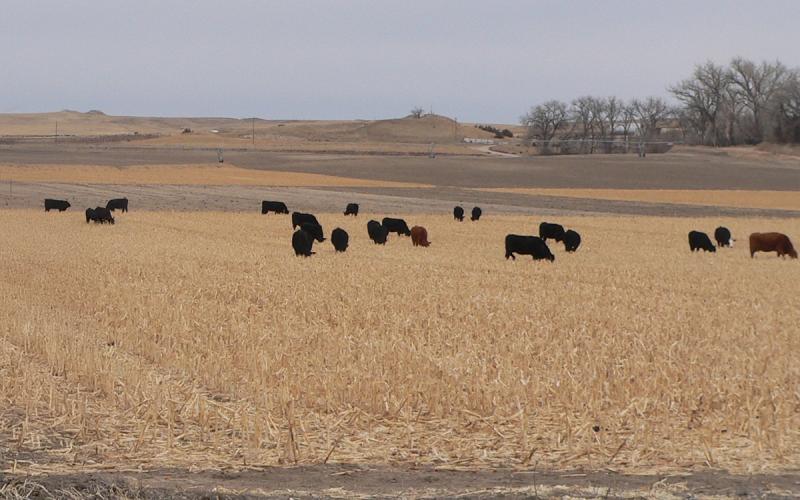
Why Cropland Grazing Now?
The evidence is consistent: cropland grazing delivers measurable economic returns, proven soil health benefits, and growing adoption in South Dakota.
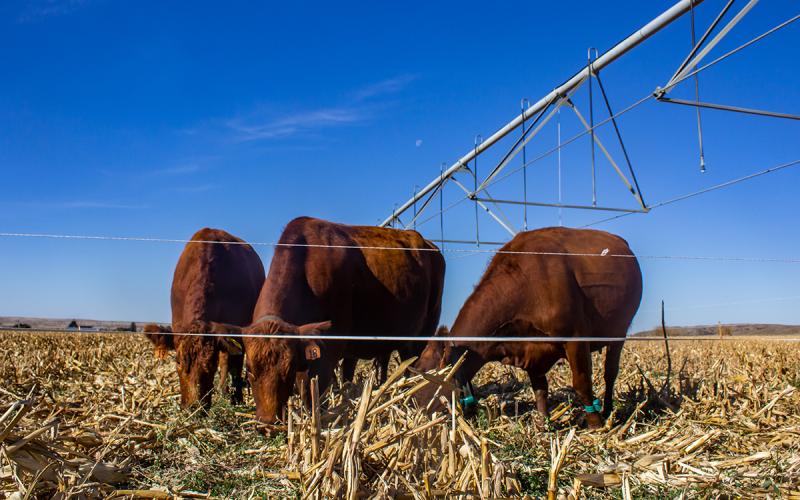
Stretch the Grazing Season by Grazing Corn Residue
Grazing corn residue can be an excellent strategy for stretching the grazing season. Learn some expert tips for making the most of corn residue before switching over to the feed tractor in the winter.
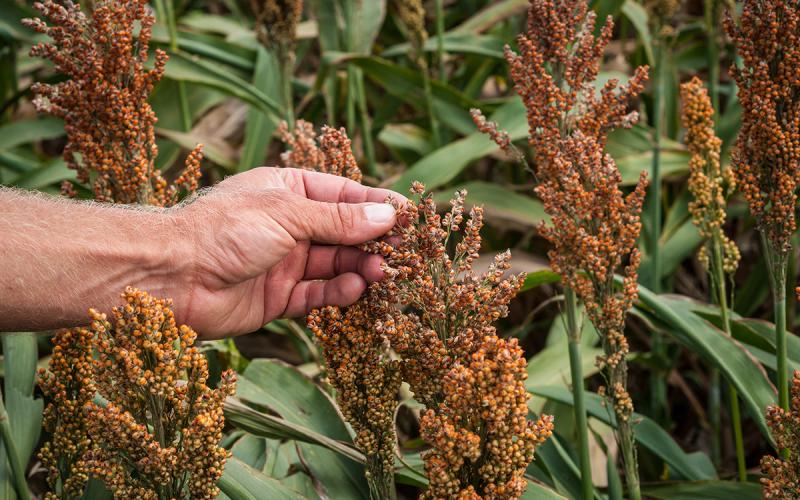
Replacing Corn With Milo in Cattle Diets
Corn is king when it comes to cattle diets, especially in the Corn Belt. However, that does not mean that corn grain is our only option. Milo (grain sorghum) can be a viable option under certain market conditions.
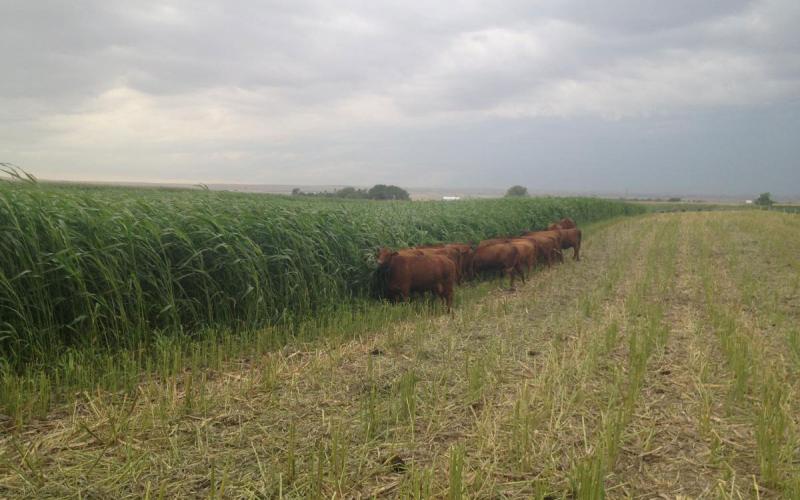
Prussic Acid Poisoning
As the first frost date approaches, producers often have concerns about the risk of prussic acid poisoning in livestock. Certain forage plants, especially sorghums and related species are associated with an increased risk of death loss because of prussic acid poisoning.
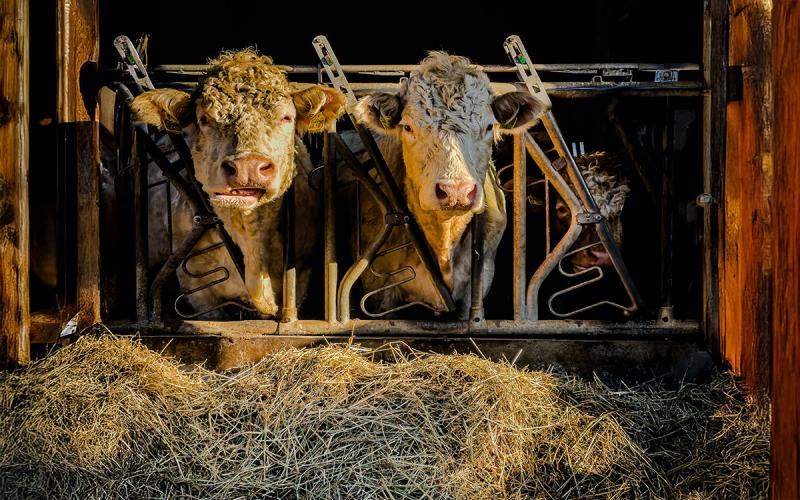
Feed Management for Efficient U.S. Livestock Systems: Introducing the National Animal Nutrition Program’s Feed Management Committee
The National Animal Nutrition Program’s Feed Management Committee brings together experts in animal science, nutrition, and natural resource management to increase awareness and use of livestock feeding management and to address conservation needs.
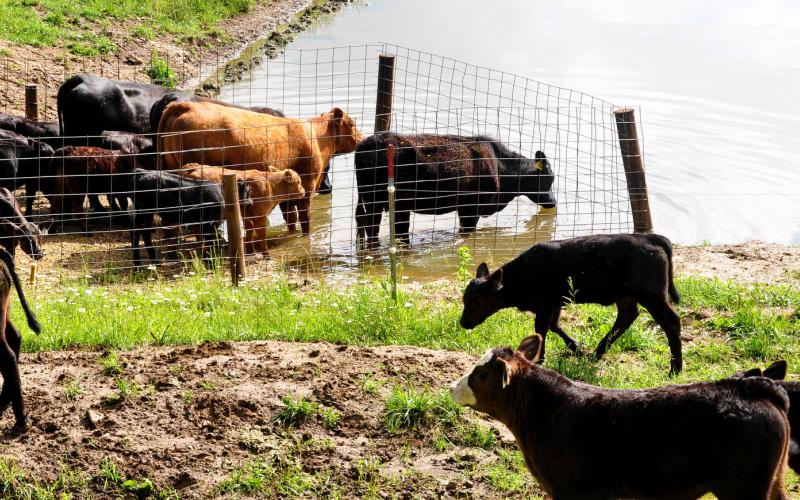
Low-Stress Weaning
Low-stress weaning methods, such as fenceline weaning and two-step weaning, can reduce calf stress and potentially improve health and performance.
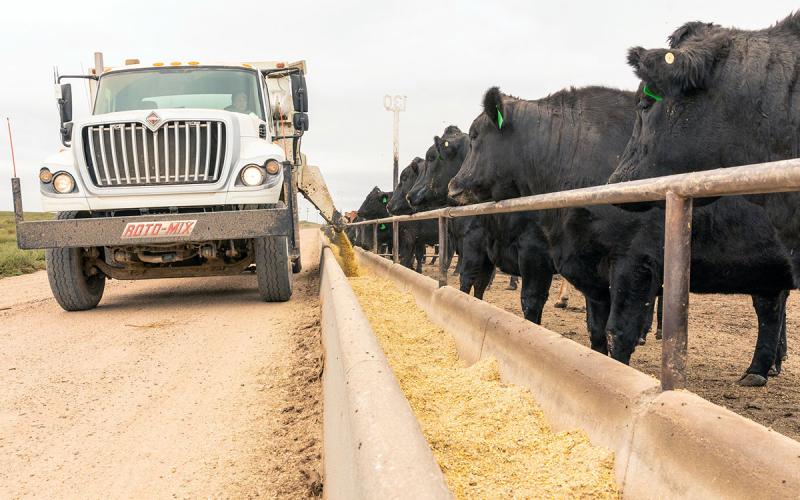
How Protein Source Affects Protein Metabolism in Ruminants
While it is common to balance beef cattle diets based on the crude protein system, it does not paint an accurate picture of what is occurring inside the animal, leading to gaps in nutrition and economic losses.
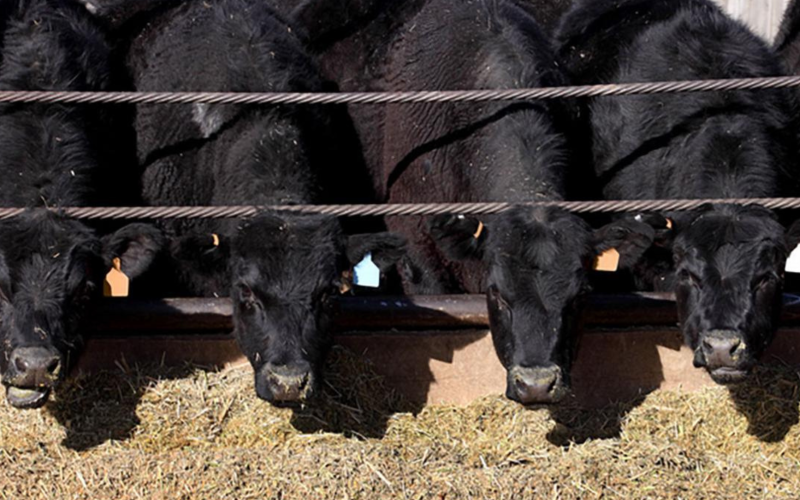
Registration open for 2025 Siouxland Feedlot Forum
April 28, 2025
Registration is now open for the 2025 Siouxland Feedlot Forum on June 17, 2025, in Sioux Falls.