Beef Nutrition
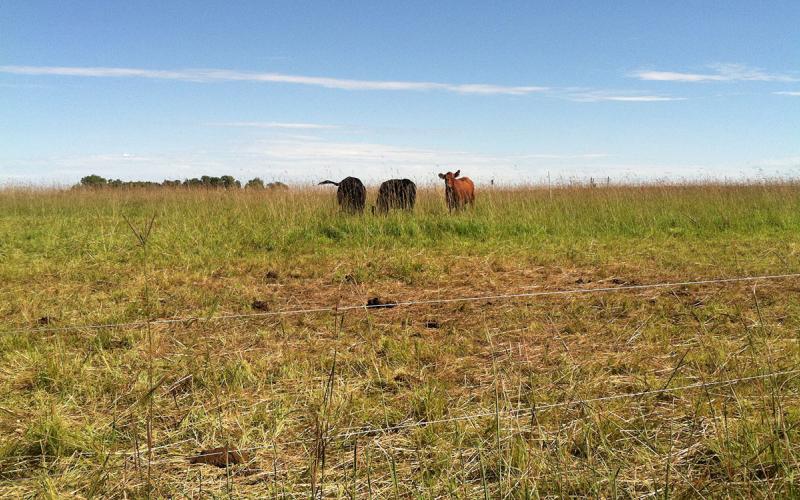
Connecting Nutrition and Conservation: The Importance of CPS 592
Conservation Practice Standard (CPS) 592 is a practical feed management framework that helps producers move toward greater profitability, accountability, and sustainability without sacrificing performance.

Feed Management in a High-Data Livestock Industry
Livestock feeding systems are generating more data than ever before. In modern feed management, success depends less on how much data is collected and more on how effectively that data is translated into biologically sound decisions.

Animal Nutrition Program’s Feed Management Committee: Feed to Gain Calculator - Fat Inclusion
Adding fat to cattle diets is a common strategy to increase dietary energy density. Learn how to make informed feed decisions using a feed-to-gain breakeven calculator developed by the National Animal Nutrition Program Feed Management Committee.

From One Decision to Many Outcomes: Why feed management decisions ripple through beef production systems
Feed management is the starting point of a system that rewards informed decisions and magnifies uninformed ones. Producers who use feed informed nutrition models are often able to reduce waste, increase gains, and decrease costs.
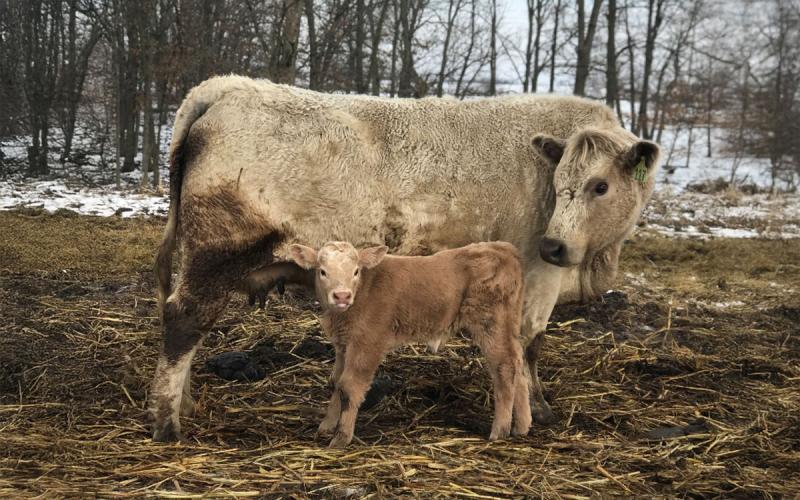
Matching Winter Forage Supply to Herd Needs
Most operations feed hay based on convenience rather than cow requirements. Feeding the same hay to all cattle throughout the winter may be simple and efficient, but it often leads to overspending, or underfeeding.
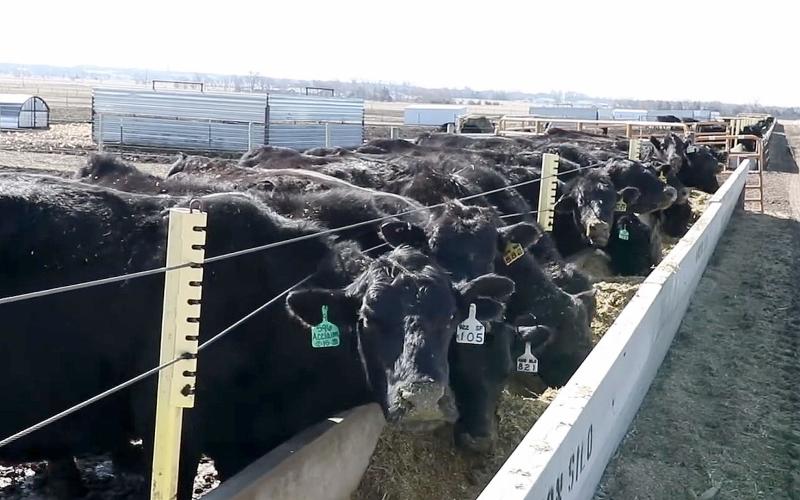
Replacing Distillers Grains with Heat-Treated Soybeans to Increase Finishing Cattle Growth
Heat-treated soybeans offer interesting attributes that could enhance cattle growth. The SDSU Feedlot Research group recently examined how they can fit into modern cattle feeding diets.
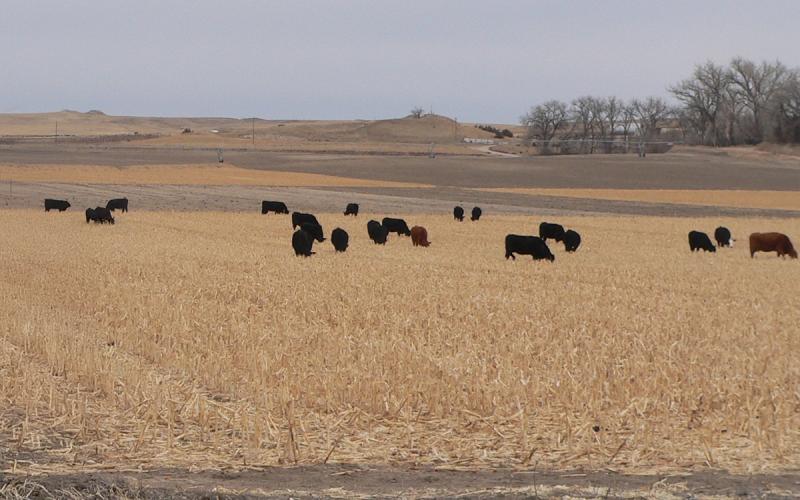
Why Cropland Grazing Now?
The evidence is consistent: cropland grazing delivers measurable economic returns, proven soil health benefits, and growing adoption in South Dakota.
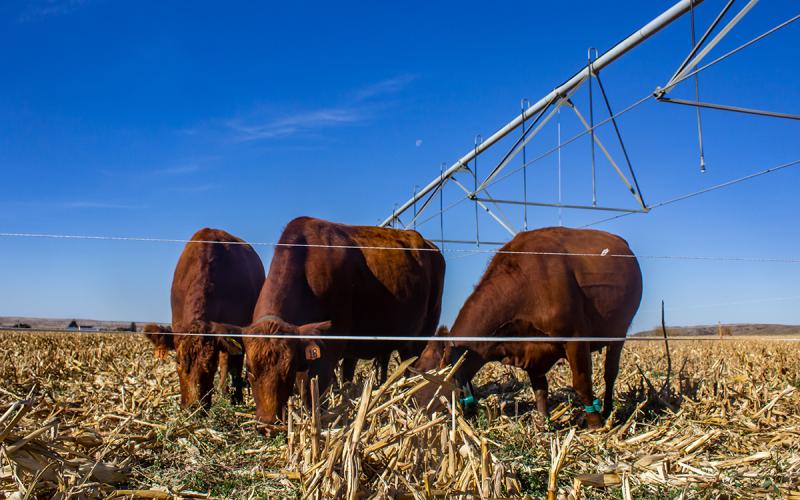
Stretch the Grazing Season by Grazing Corn Residue
Grazing corn residue can be an excellent strategy for stretching the grazing season. Learn some expert tips for making the most of corn residue before switching over to the feed tractor in the winter.
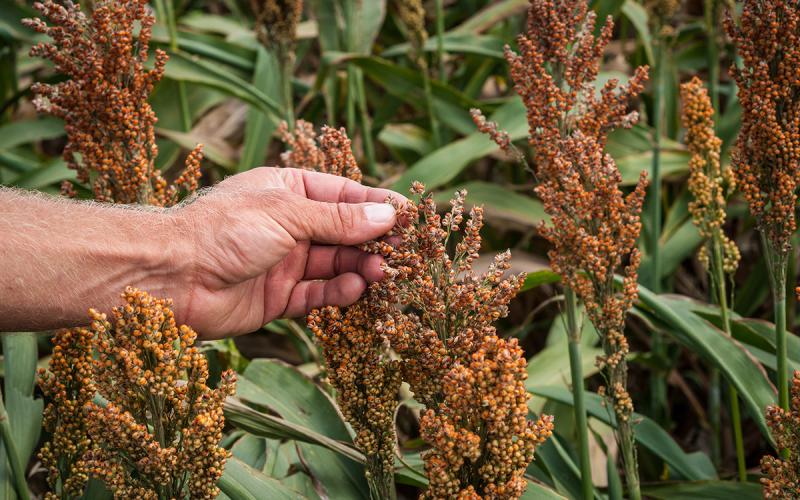
Replacing Corn With Milo in Cattle Diets
Corn is king when it comes to cattle diets, especially in the Corn Belt. However, that does not mean that corn grain is our only option. Milo (grain sorghum) can be a viable option under certain market conditions.
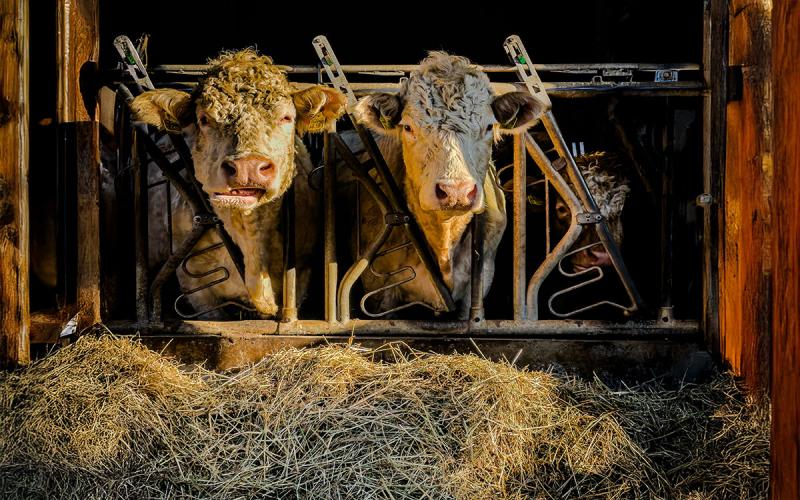
Feed Management for Efficient U.S. Livestock Systems: Introducing the National Animal Nutrition Program’s Feed Management Committee
The National Animal Nutrition Program’s Feed Management Committee brings together experts in animal science, nutrition, and natural resource management to increase awareness and use of livestock feeding management and to address conservation needs.