Plants or Crops
All Plants or Crops Content
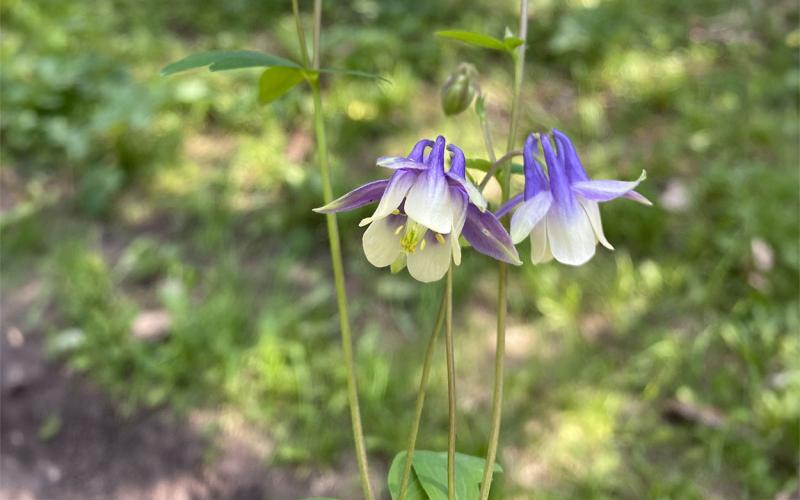
Native Plants to Know: Small-Flowered Columbine (Aquilegia brevistyla)
Aquilegia brevistyla, or small-flowered columbine, is a native, perennial, herbaceous plant in the Ranunculaceae (buttercup family) that grows in cool, shaded, canyons in the Black Hills of South Dakota.
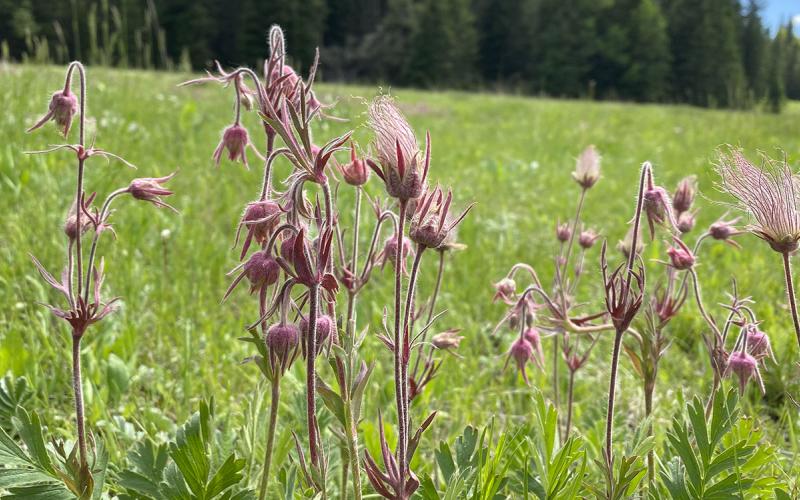
Native Plants to Know: Prairie Smoke (Geum triflorum)
Geum triflorum or Prairie Smoke (Rosaceae) is a flowering, herbaceous (non-woody stem) perennial, native to North American prairies known for its distinctive nodding and wispy flowers that resemble plumes of smoke
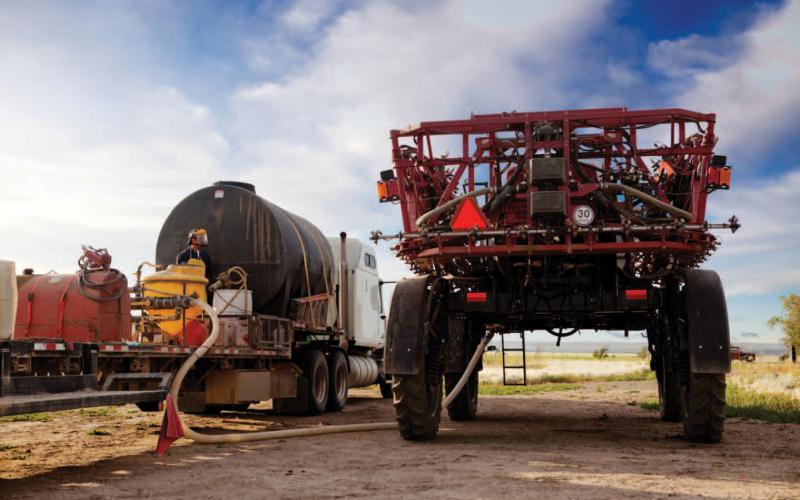
Dicamba Cannot be Applied Postemergence in Dicamba-Tolerant Soybeans After June 20
With weather delaying the planting of soybean, the clock is ticking to spray dicamba before the cutoff date of June 20, 2024. Learn what application tactics might work best before the deadline.
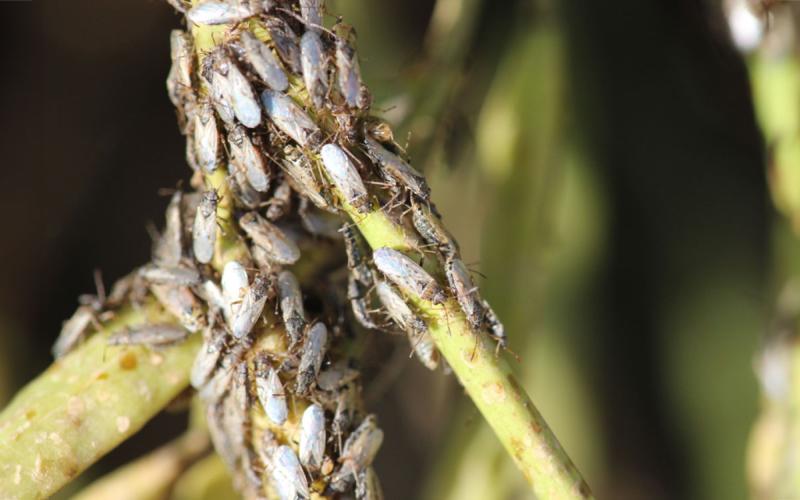
Wet Spring Brings Surge of False Chinch Bugs
Within the past week, large populations of false chinch bugs have been reported across western South Dakota. In high numbers, these pests can pose a threat to Brassica plants.
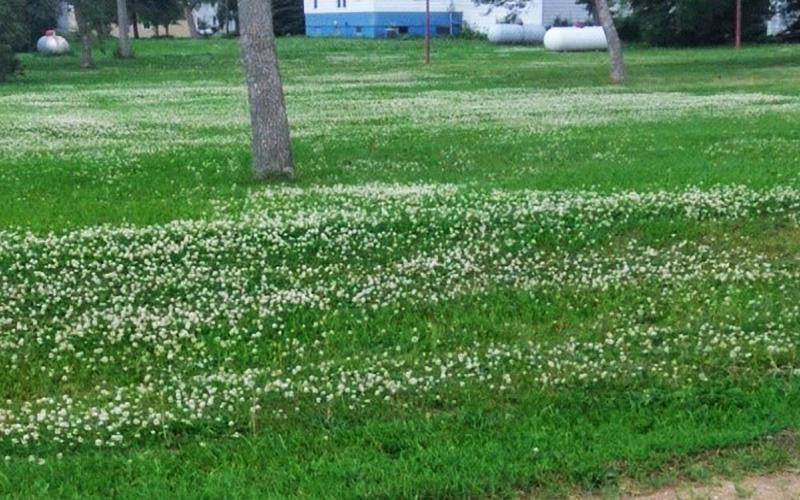
Buzzworthy Backyards: How Bee Lawns Are Reinventing Green Spaces
Bee lawns integrate a variety of low-growing perennials and fine fescues that not only require minimal maintenance, but also actively support local wildlife, particularly bees

The Growing Threat of Cyber Attacks in Agriculture
The with growing digitalization of our food production systems, everyone should take an active role in preventing the threat of cyber-attacks.

Bookwork, The Missing Management Component: Consistency of Financial Records
Consistent record keeping will allow for accurate ratios and trend analysis. While operations will change, grow, or contract, having a standard operating procedure will allow for analysis and decision-making.

Bookwork, The Missing Management Component: Balance Sheet Valuations
The financial crash of the 1980’s has been attributed to changes in producer’s balance sheets, due to a decline in land prices. After this time, a two-column balance sheet was developed to help prevent that type of balance sheet collapse from occurring in the future.

Bookwork, The Missing Management Component: Depreciation Determination and Use
Another component of determining net income is depreciation. This is one component of the Schedule F that many understand the least. Typically, the most use it gets is to minimize income tax through accelerated tax depreciation under section 179.
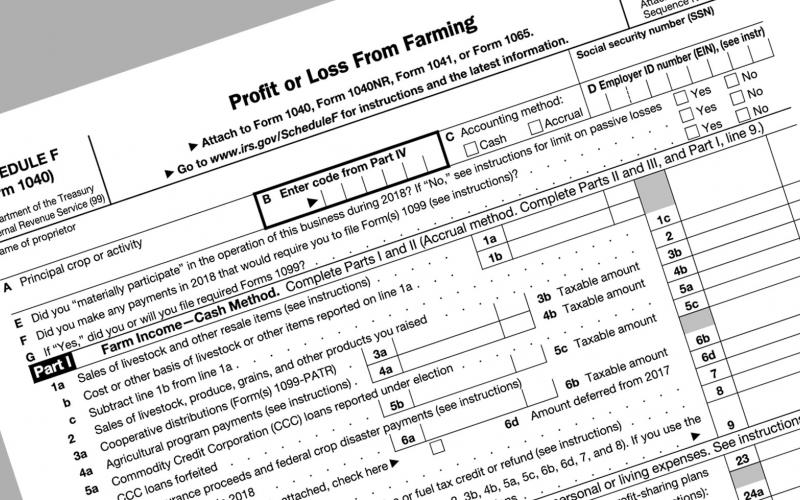
Bookwork, The Missing Management Component: Farm Income Determination
Many ag producers do not like bookwork. Many times this job gets pushed to the side, until a bill is due or taxes need to be filed. It is also fair to say it is a missing component to the management of most operations. A missing component that could lead to the collapse of the operation.