Plants or Crops
All Plants or Crops Content
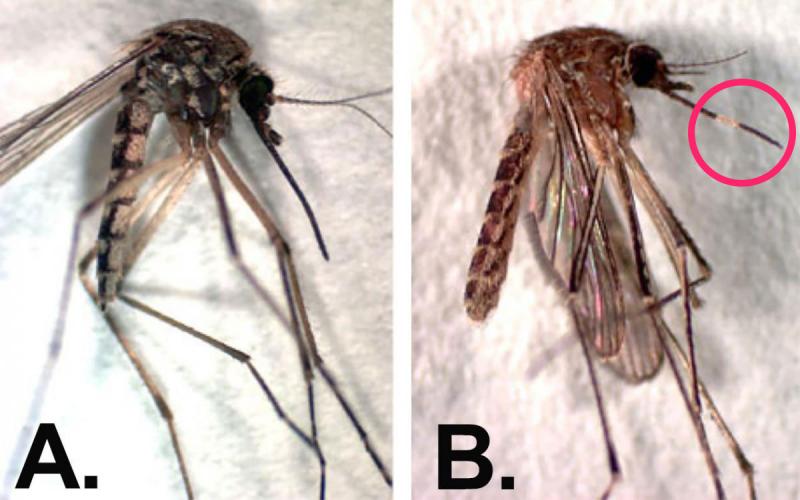
Be Ready for Mosquitos
With the very wet 2019 spring and recent rains, it inevitable that mosquito populations will be high this year. Although there are over 20 species of mosquitoes that call South Dakota home, there are really only two species that account for the majority of observed individuals.

Fit on the Farm
Although regular job duties on the farm may include intense physical tasks, aerobic physical activity is still needed in addition to the short burst, physical tasks.
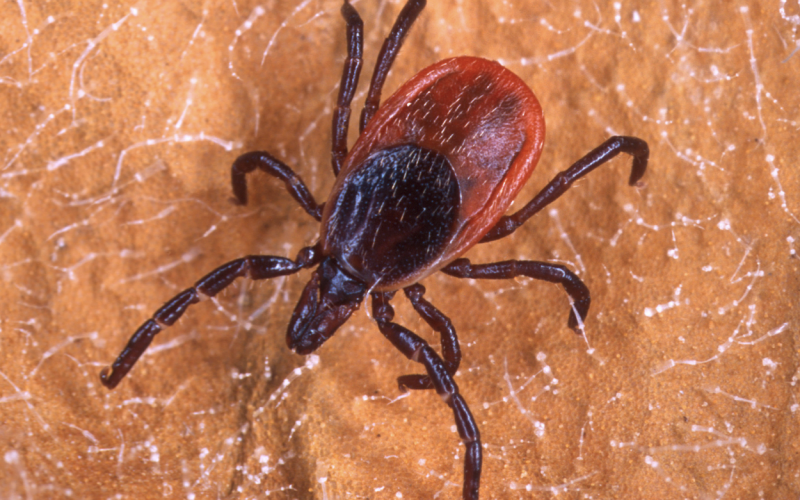
Protecting Yourself From Ticks
During wet springs, tick populations tend to thrive in South Dakota. These parasitic arthropods require blood to fulfill their nutritional needs and commonly use humans as a host. Some ticks can also carry bacterial diseases that are a threat to human health.
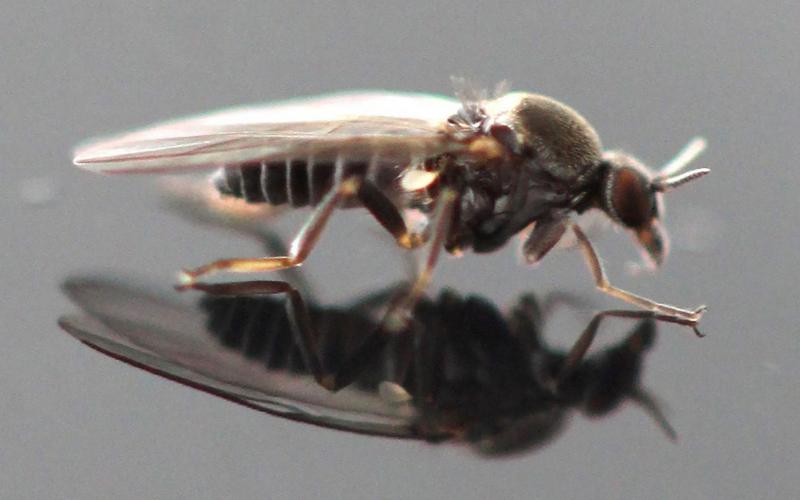
What Are Those Little Flies That Keep Biting Me?
If you have been swarmed and bitten by small black flies this year, you’re not alone. The culprits of these bites are commonly referred to as black flies or buffalo gnats. The reason we are noticing so many in 2019 is likely due to favorable spring conditions that included a lot of moisture.
An identification guide to common Ticks of South Dakota
A guide to identifying common ticks in South Dakota
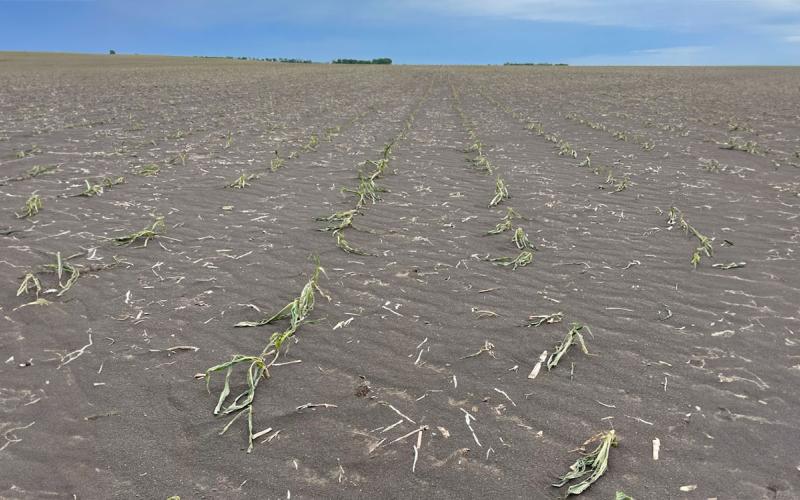
Soil Only Blows During Droughts?
What causes soil to blow during periods of adequate moisure? High winds can rapidly dry soil close to the surface. If the winds are high enough, even soil at intermediate water contents can blow.

Family Fun With Gardening
Gardening is a fun way to incorporate physical activity into your day, and is a great way to connect kids to where their food comes from!

SDSU Extension welcomes new agronomy field specialist
June 10, 2024
South Dakota State University Extension is pleased to welcome Clarence Winter as a new Agronomy Field Specialist.
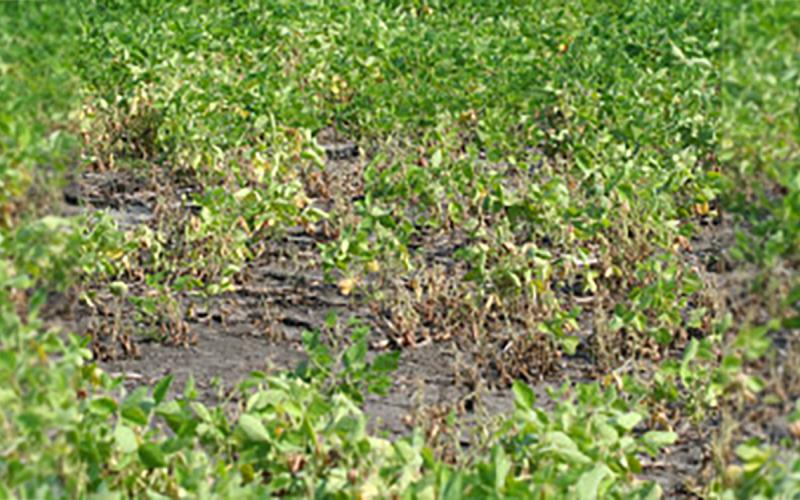
Watch Out for Phytophthora Root and Stem Rot in Soybean
Current weather conditions of continuous rainfall are saturating our fields, which is creating a favorable environment for Phytophthora root and stem rot.
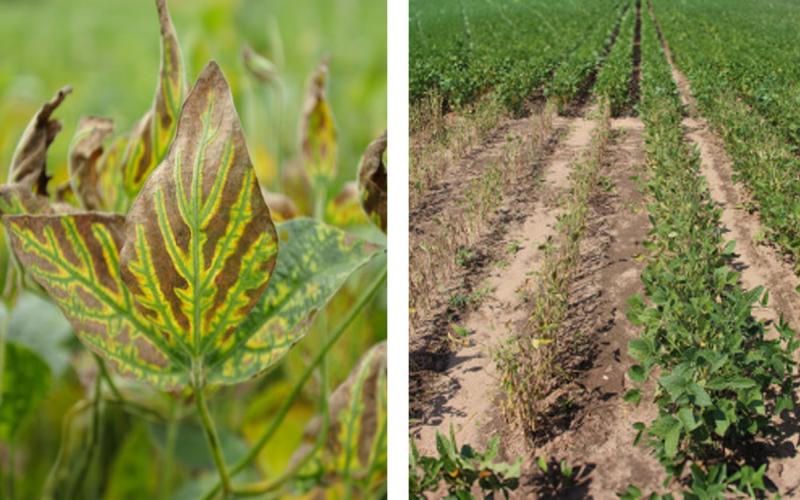
Are You at Risk for Sudden Death Syndrome in Soybean?
The present weather conditions of heavy rainfall and cool temperatures provide a favorable environment for sudden death syndrome in soybeans. Learn some expert tips for identifying and managing it this growing season.