Plants or Crops
All Plants or Crops Content
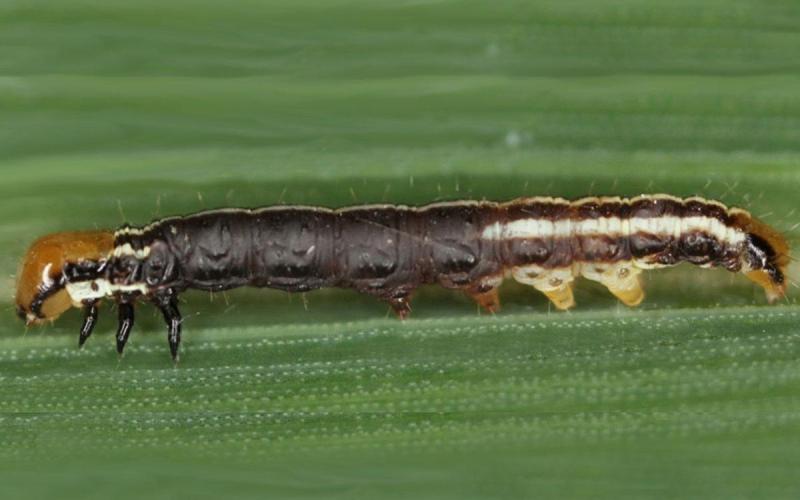
Common Stalk Borer Activity Estimate: June 5, 2024
In southern South Dakota, enough degree days have accumulated for common stalk borer caterpillars to begin moving from alternative hosts into corn. Fields should be monitored for leaves with signs of defoliation.
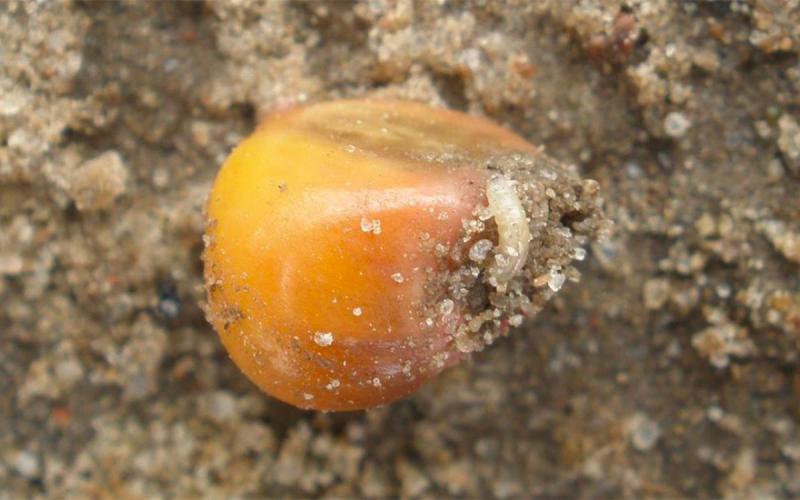
Seedcorn Maggot Degree Day Activity Estimates: June 5, 2024
Peak emergence of the second generation of seedcorn maggots is occurring in a few areas of the state. The rest of the state is between the second and third generation emergences.
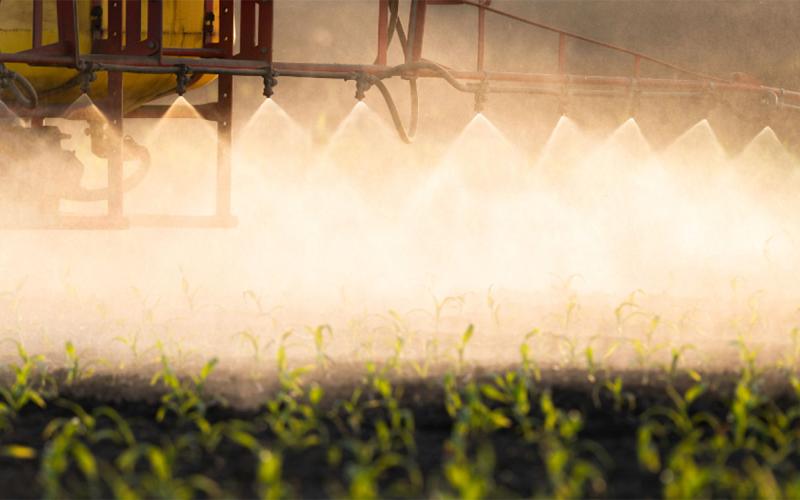
Considerations of Corn Postemergence Herbicides
Managing weeds after emergence is important to protect the yield potential of corn crops. Learn some important application considerations before selecting a postemergence herbicide.
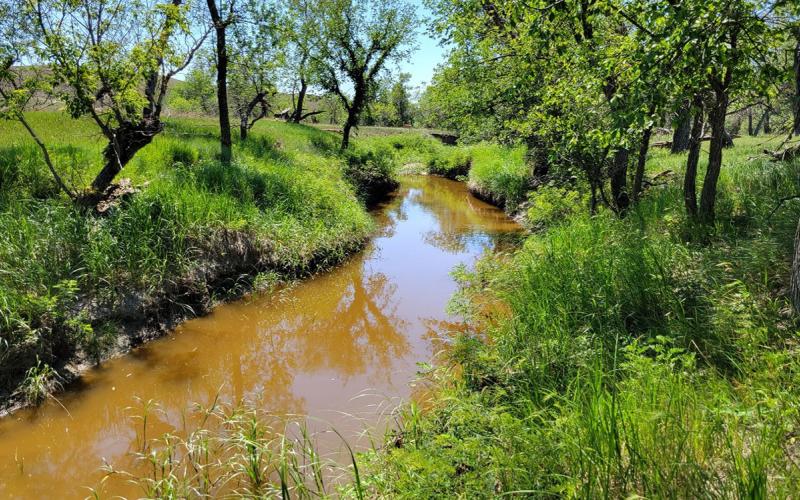
Ranching and Prairie Streams: Why Riparian Areas Matter
For many producers, riparian pastures are essential to their operations. However, land managers need to balance grazing and utilization needs with riparian health for the long-term benefit of their operation.
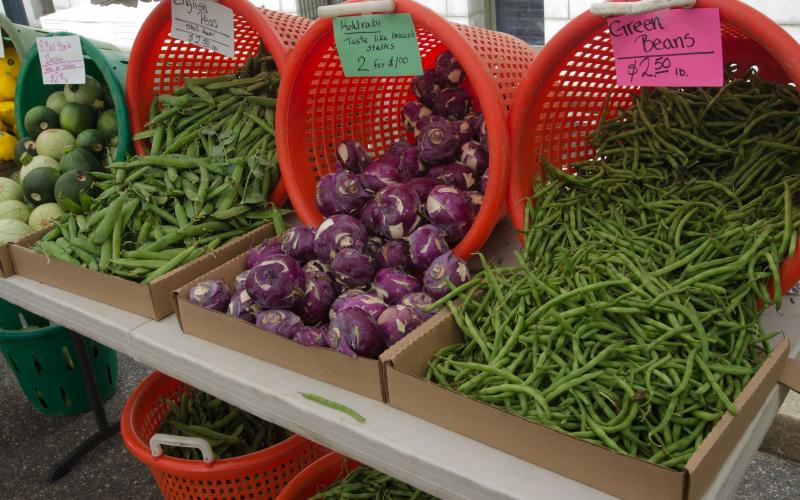
Local Foods: Whole Fresh Vegetables and Herbs
Fresh, whole raw fruits and vegetables grown in South Dakota can currently be sold without a food service license from the South Dakota Department of Health.

2023 On-Farm Experiences Growing Cucurbits in Newly Established Clover Living Mulch in Eastern South Dakota
Research report determining the impact of two established clover species on weed suppression, crop growth, and yield of squash.
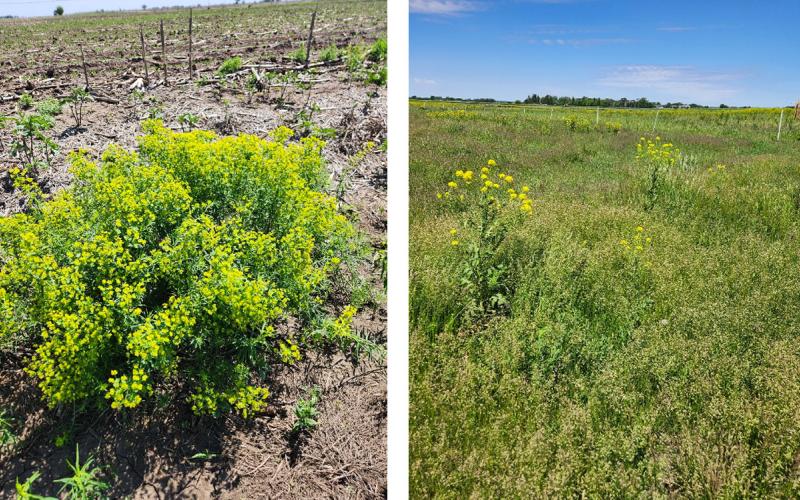
Leafy Spurge or an Imposter?
Leafy spurge is a statewide noxious weed that can be difficult to manage. However, are the recent yellow flowers appearing throughout South Dakota landscapes leafy spurge or another species?
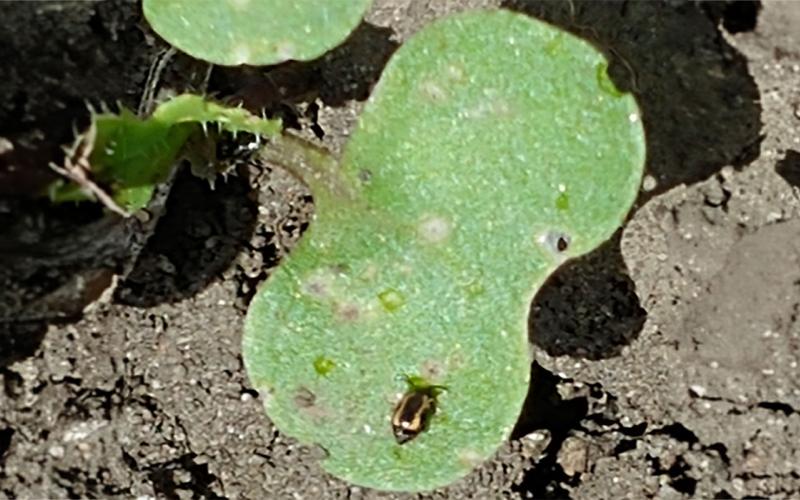
Don’t Forget to Scout Canola for Flea Beetles
Canola emergence is well underway and ahead of emergence at this time in 2023. There are three species of flea beetles that commonly infest canola and feed on the leaves.

Critical Period of Weed Control: A good, but not perfect guideline
The critical period of weed control is the period during a crop lifecycle when weeds need to be managed to avoid a significant yield loss.
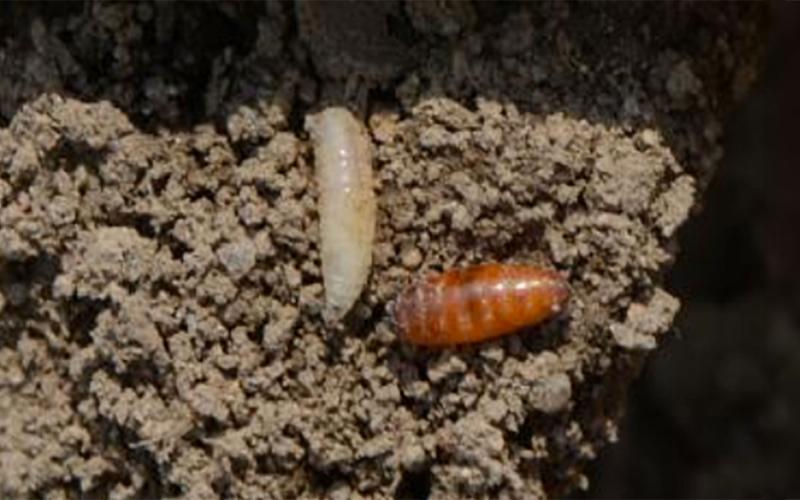
Monitor for Seedcorn Maggots in Wet Planted Fields
Current spring conditions, including wet soil and cool temperatures, could result in seedcorn maggot issues in South Dakota.