Livestock
All Livestock Content
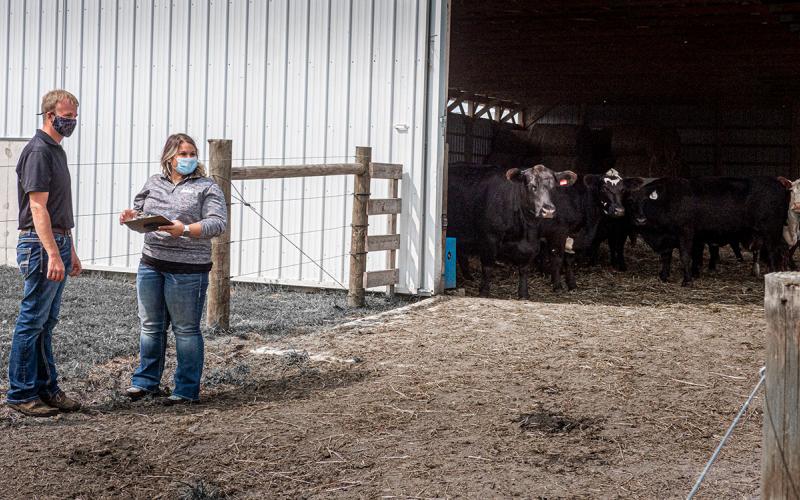
Biosecurity for Beef Cow-Calf Operations: Managing the Entry of New Animals
Infectious disease can impact cow-calf operations in dramatic ways. These steps should be considered the minimum standards for introducing new animals into cow-calf operations to avoid the spread of infectious disease.

SDSU Extension leads the way in precision livestock research and use
June 09, 2026
It may seem like major cities have the advantage on cutting-edge research, but for precision range and livestock research, look to South Dakota. The primary hub of that research is conducted at the Cottonwood Field Station, a 2,640-acre station in western South Dakota’s grasslands.
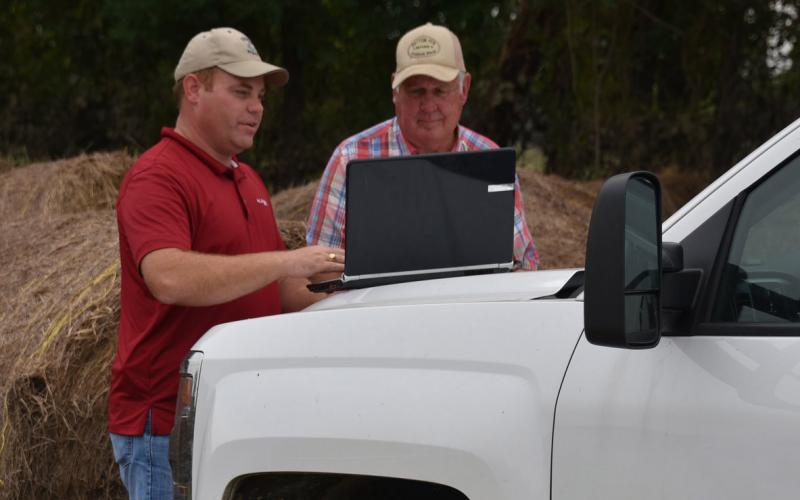
Beef Quality Assurance
South Dakota producers have the option to receive beef quality assurance (BQA) certification.
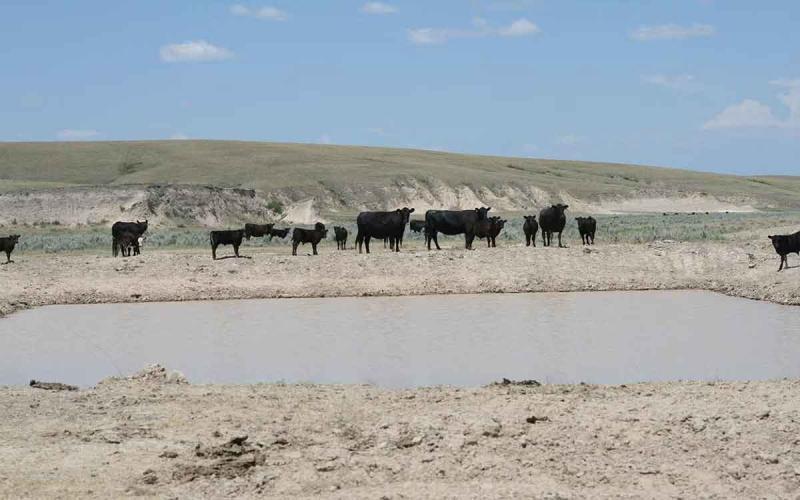
SDSU Extension hosts drought meetings on June 17
June 04, 2026
SDSU Extension will hold free regional drought meetings on June 17, 2026, in response to current moderate to severe drought conditions affecting agriculture in southern South Dakota.
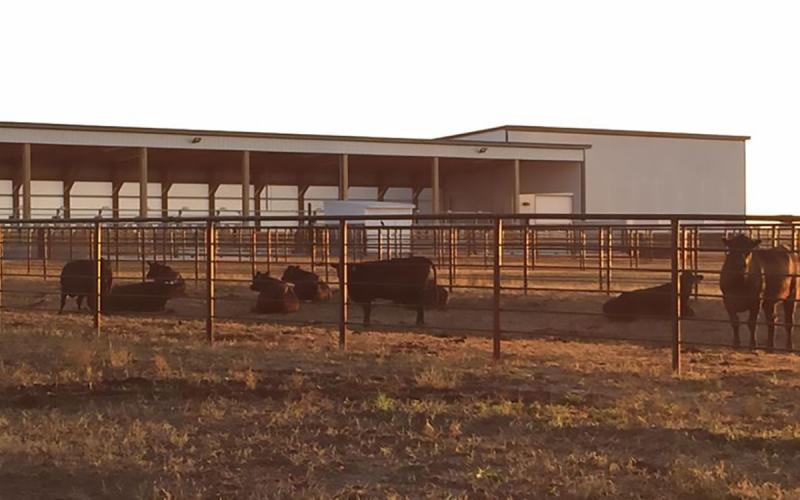
Basis for Lighter-Weight Feeder Cattle
With higher overall price levels, the price differences across cattle of different weights have also increased. As a result, producers may want to revisit some pricing rules reflected in price slides and in basis levels for lighter-weight feeder cattle.

SDSU Extension provides free livestock water testing
May 28, 2026
South Dakota State University Extension is encouraging producers to take advantage of its free, on-site livestock water testing services across the state.
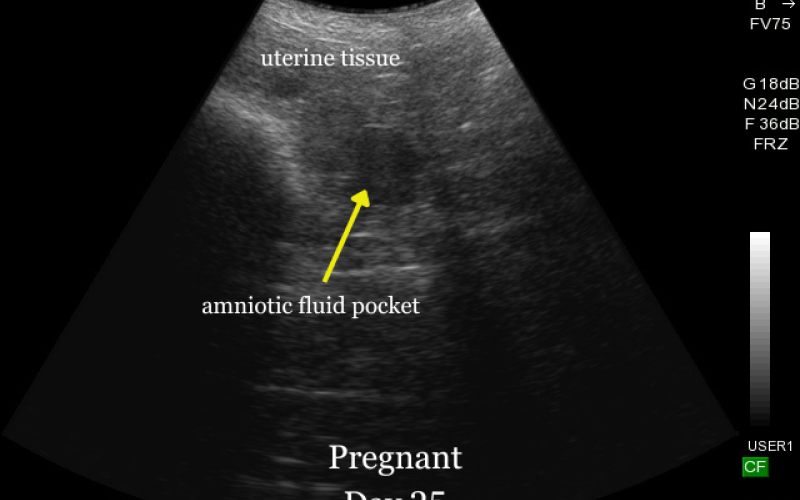
Detecting Pregnancy and Litter Size in Ewes Using Ultrasound
Guide providing insights on optimal timing for pregnancy scanning, what to look for at different gestational stages, and practical ultrasound techniques for the best results.

Drought-Stressed Forage: Nitrate Considerations
While drought-stressed forages can provide valuable feed, they may also carry an increased risk of nitrate accumulation. Producers should be aware of before grazing, harvesting, and feeding these forages.
High Nitrates and Pregnant Cows
Drought poses many challenges to the beef cow herd. When considering grazing pregnant females, it’s important to understand that grazing management is critical to avoid nitrate toxicity and potential abortions.

SDSU Extension invites operators to June CAFO environmental training
May 22, 2026
There will be an environmental training session for operators of concentrated animal feeding operations (CAFOs) on June 23, 2026, at the Crossroads Convention Center in Huron.