Livestock
All Livestock Content

Developing Heifers to Fit Your Production Environment
The long-term sustainability and profitability of the cow-calf industry depend on retaining females that fit both the production goals and environmental constraints of an operation.
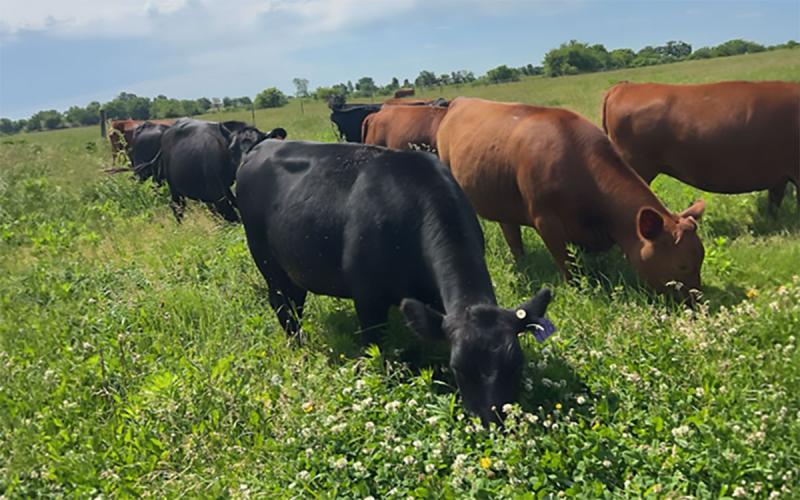
Cover Crop Grazing Windows for South Dakota Crop Rotations
This guide is intended for livestock producers and crop producers interested in integrating cover crop grazing into cash crop systems. Recommendations identify opportunities for both fall grazing of rapidly establishing annuals and spring grazing of overwintering species, helping extend grazing seasons, reduce harvested feed costs, and improve nutrient cycling within crop rotations.

SDSU Extension welcomes new sheep and goat specialist
July 09, 2026
South Dakota State University Extension is pleased to welcome Ryan Spurling as a new assistant professor and Small Ruminant Production Specialist.
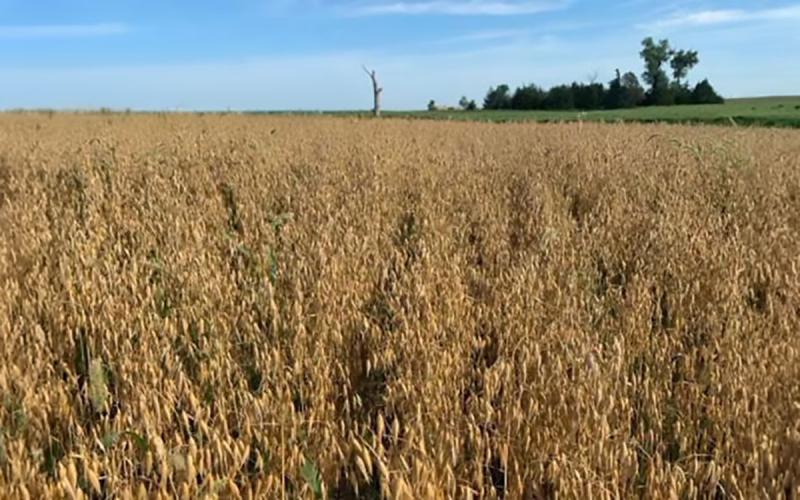
Annual Forage Rainfall Index Insurance: A Risk Management Tool for South Dakota Producers
Drought remains a recurring challenge for South Dakota livestock and forage producers. Annual Forage Rainfall Index insurance is one tool that may help reduce the financial risk associated with below-average precipitation.
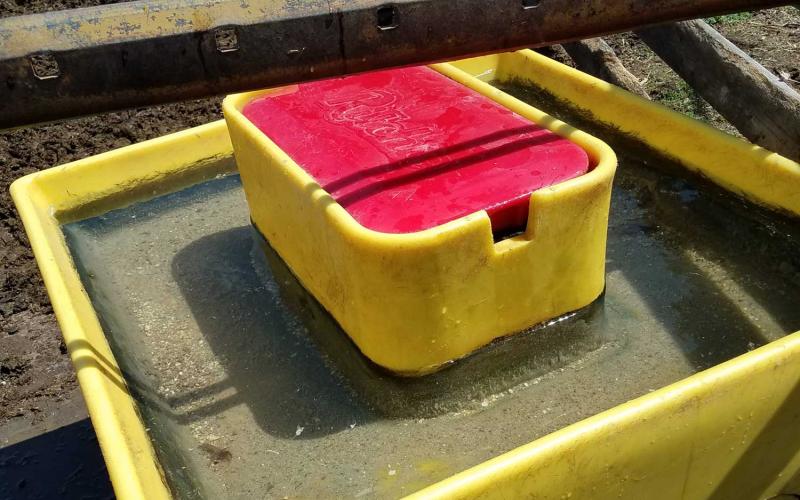
Water: The Unappreciated Nutrient
Water intake is strongly linked to feed intake, so any factors that cause cattle to drink less will lead to reduced feed intake and consequently reduced performance.
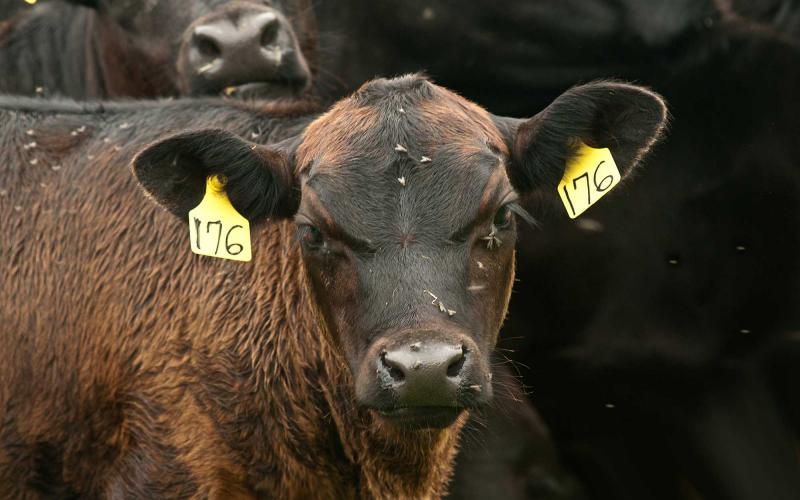
Summer Fly Control in Feedlots
Just as longer days mark the beginning of summer, so does the arrival of increased number of flies in feedlots. Flies are not only are an annoyance, they can reduce performance and worsen heat stress. Successful control strategies start with sanitation.
Heat Stress Forecasting Apps Available
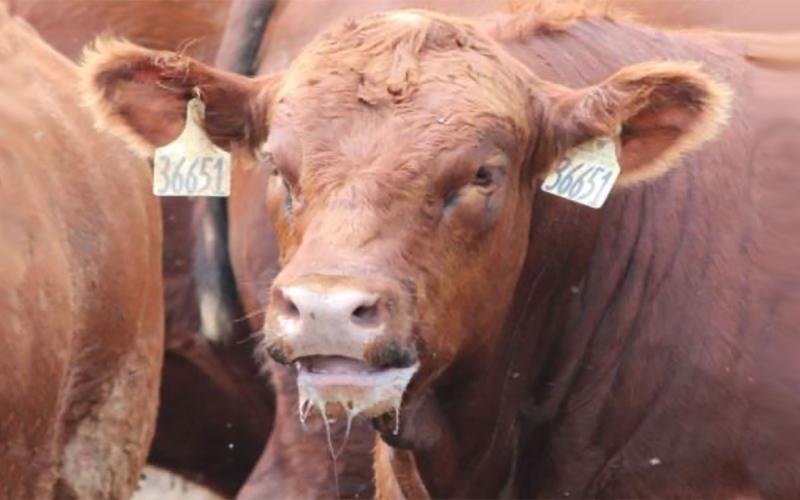
Early summer heat stress in feedlot cattle is often triggered by rapid changes in temperature and humidity before cattle become acclimated to warmer conditions. Learn about some management tools that you can use to protect your herd.
Heat Stress in Feedlot Cattle
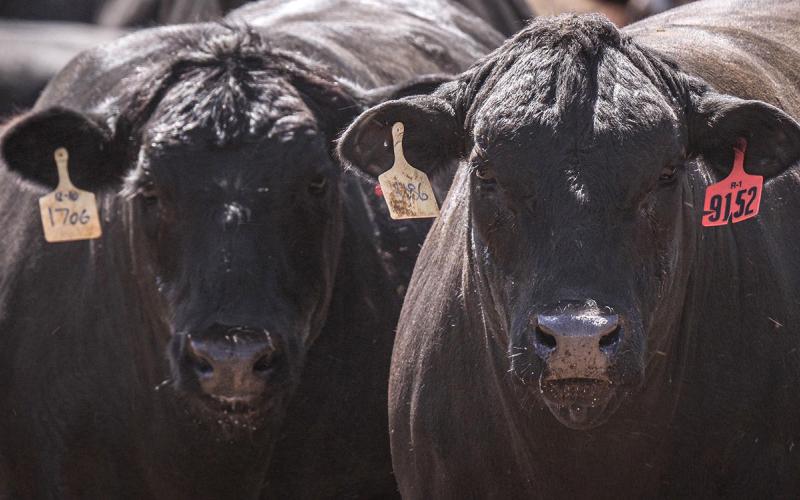
High temperatures, humidity and low air movement create the perfect storm for heat stress in feedlots. Learn some expert tips for maintaining performance and reducing losses as we approach the hottest months of the year.
Fly Management for Cattle
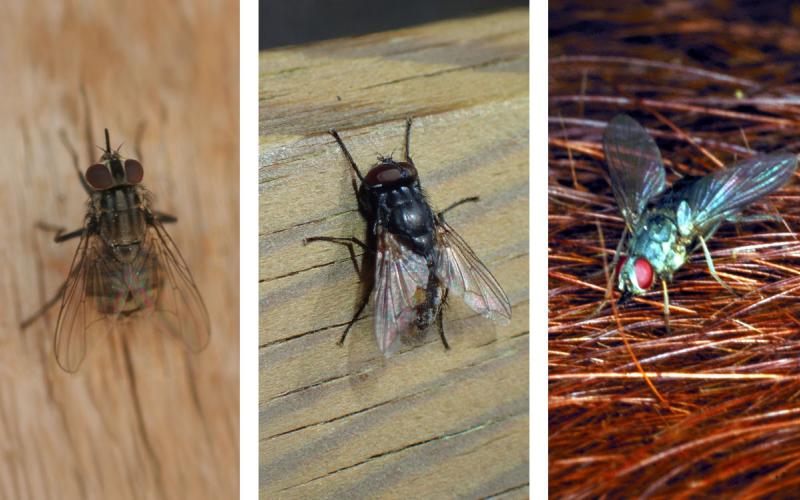
There are several species of flies that can reduce the production value of livestock, particularly during hot, dry weather. To manage these pests, it’s important to be able to accurately identify them and understand their life cycles.
Vaccinating Early-Weaned Beef Calves
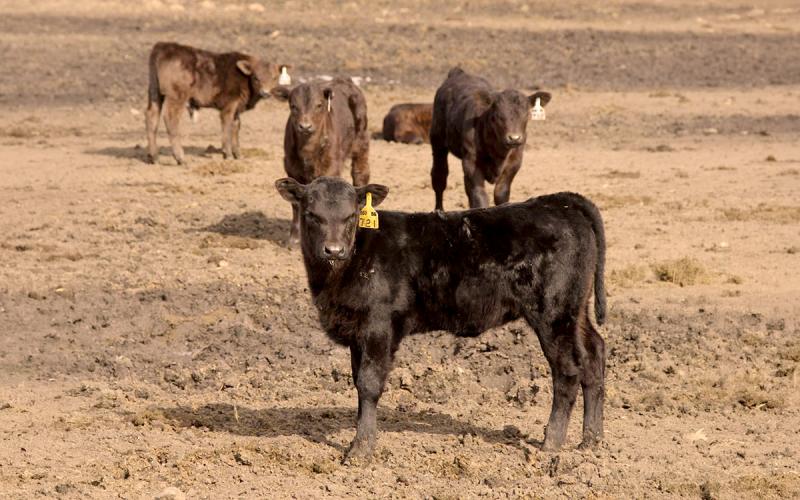
In most years, pre-weaning vaccinations are a task completed in early fall. However, in dry years, poor pasture conditions forcing producers to wean calves early may push up that timeline.