Livestock
All Livestock Content
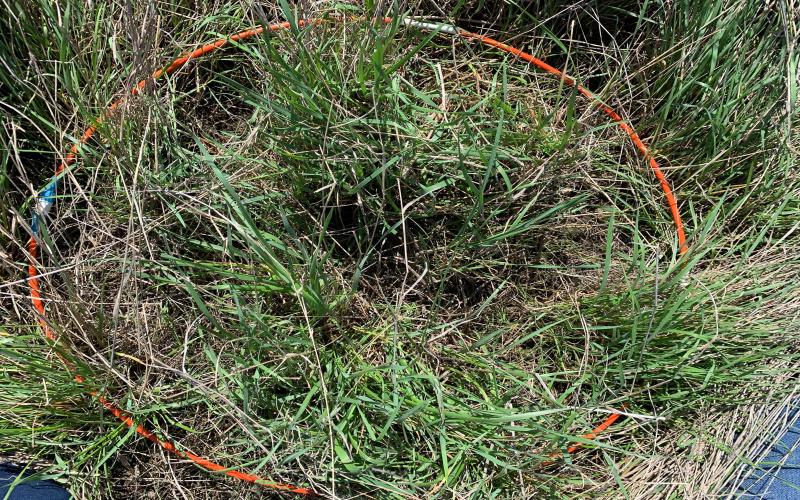
You Can’t Manage What You Don’t Measure: Range Record Keeping
Range record keeping helps detect and demonstrate landscape changes that have a direct impact on your ability to maintain or grow your herd.
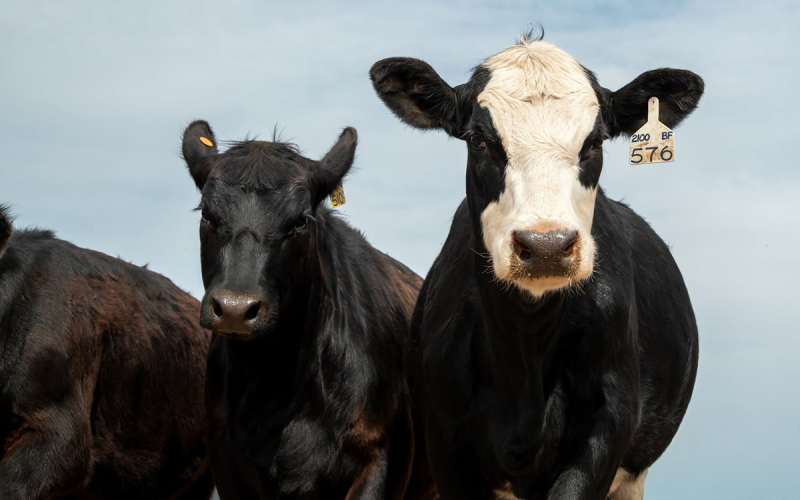
Forage-Based Heifer Development Systems
Forage-based heifer development systems offer producers a practical opportunity to reduce input costs while maintaining acceptable reproductive performance. By effectively utilizing available forage resources, heifers can be developed efficiently with reduced reliance on harvested feeds.

Resources for Early Weaning Beef Calves
Early weaning calves is one way to decrease nutrient demands of the cow herd and extend grazing days during adverse weather conditions. Learn some important management strategies to consider before weaning younger calves.
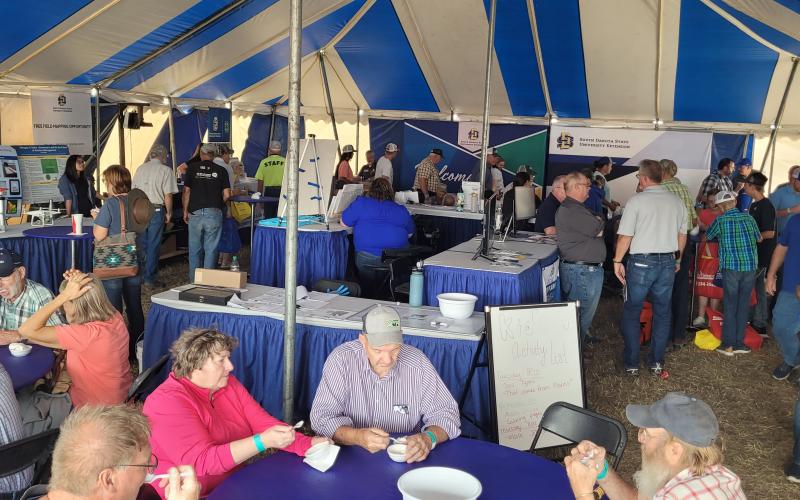
SDSU Extension experts to attend 2026 Dakotafest
July 22, 2026
South Dakota State University Extension experts will attend the 2026 Dakotafest trade show in Mitchell, providing educational resources and hands-on activities for a variety of topics.

Cattle Weights Responding to Markets
Recent values reported by the USDA National Agricultural Statistics Service indicate another increase in the value of cattle production at the state level for the year. The high price levels are also strong incentives to deliver pounds and calves to the market.

Drought Emergency Order Provides Flexibility for Forage Transportation
The recent extension of the State of South Dakota’s Drought Emergency Executive Order will provide livestock producers with flexibility to transport harvested forage. The order allows qualifying producers and commercial haulers to continue transporting oversized loads of baled livestock feed under emergency permitting provisions.
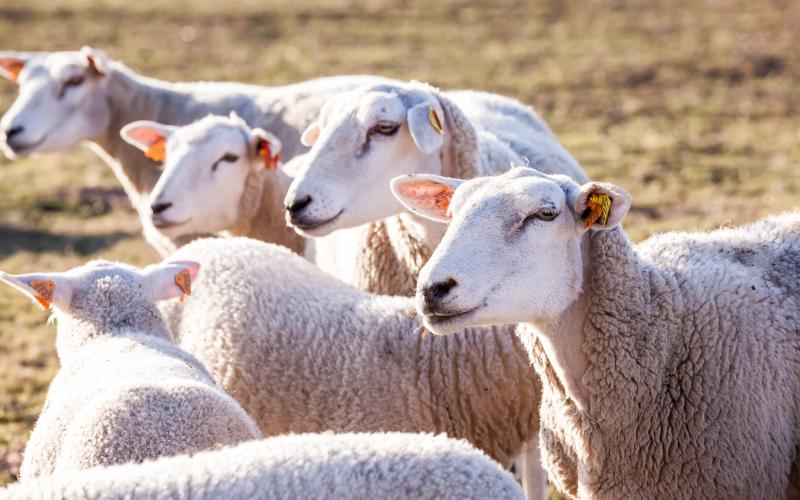
Sheep & Goats
South Dakota ranks sixth nationally in sheep and wool production. And the industry is growing.
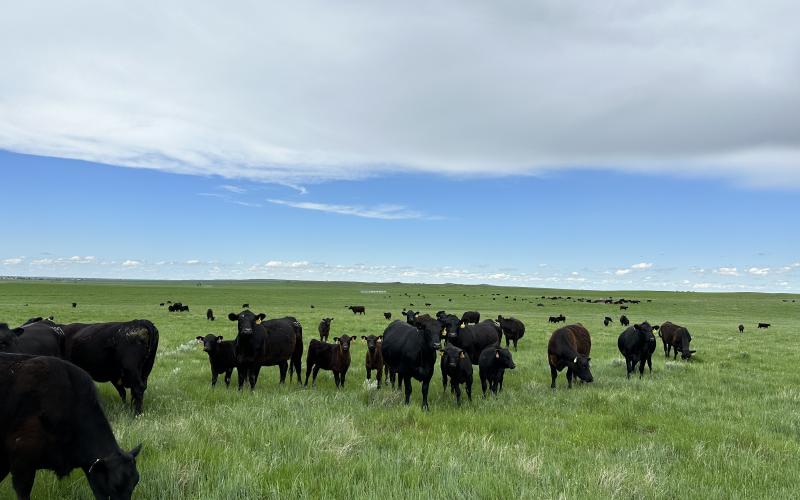
Designing a Grazing Plan That Guides Decisions
A factsheet to help you build an effective grazing plan.
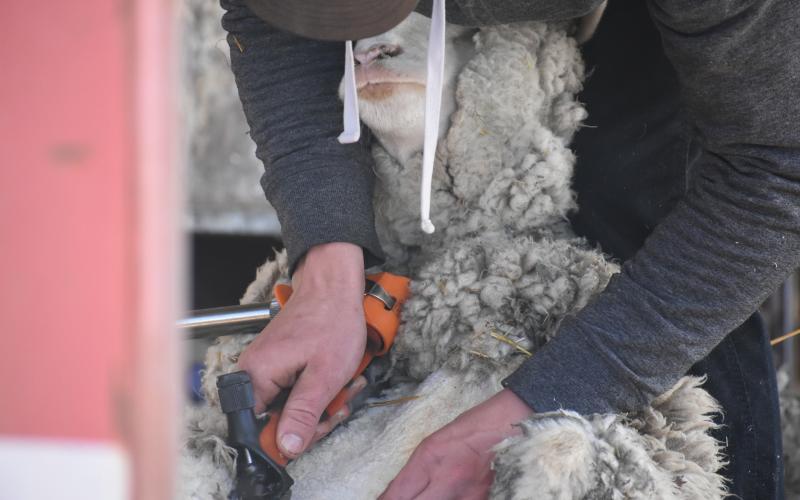
Sheep Shearing School
SDSU Extension will host a sheep shearing school for anyone wanting to learn how to shear a sheep from professional sheep shearers, from October 24-26 at the SDSU Sheep Research and Teaching Unit (3729 Medary Ave., Brookings, SD 57007).
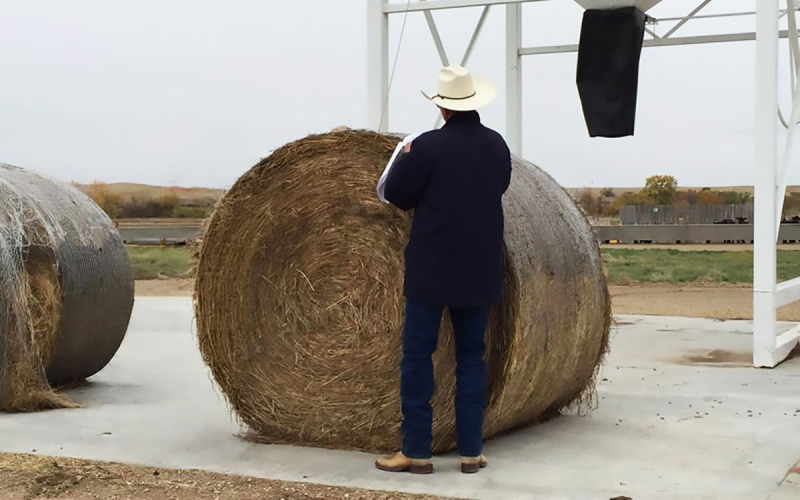
Developing Replacement Heifers During Drought Conditions and High Hay Prices
High-priced hay does not necessarily mean replacement heifers cannot be developed cost-effectively. Alternative feed resources and strategic feeding programs can help producers meet growth targets while stretching limited forage supplies.