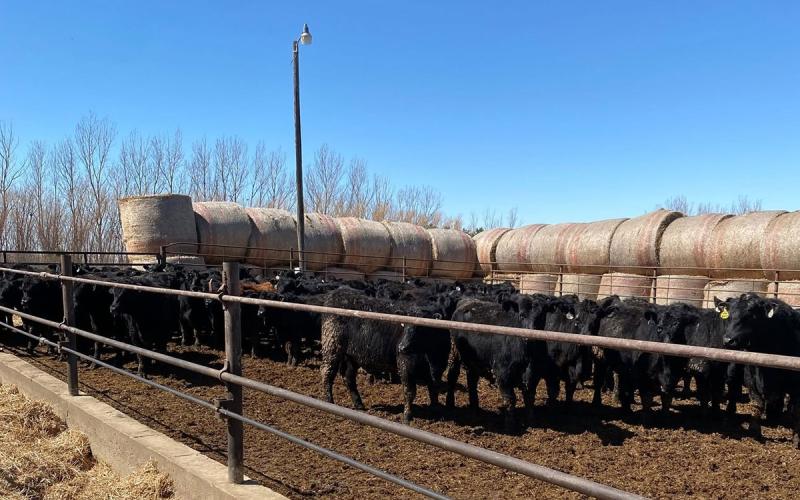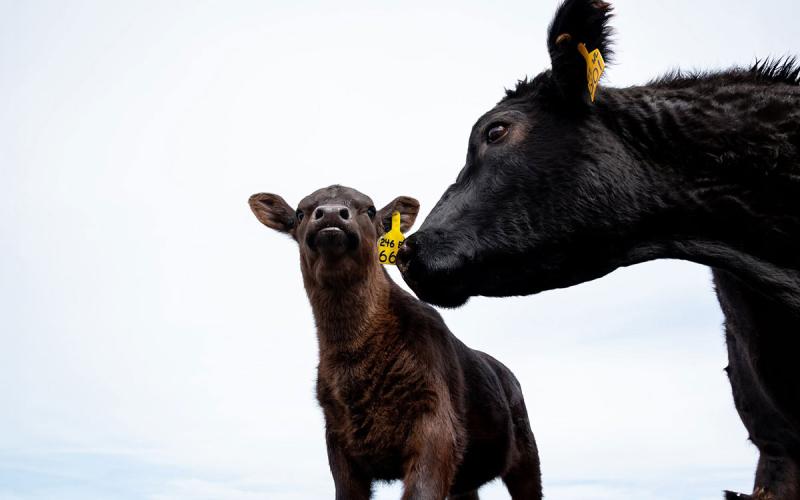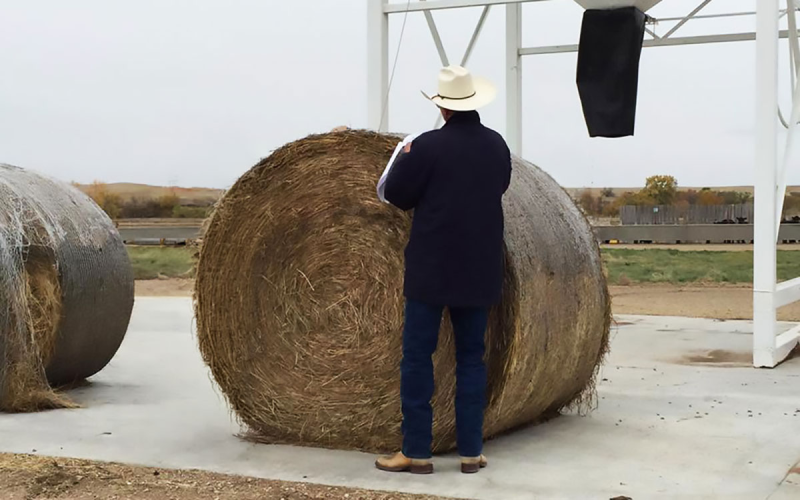
Persistent drought conditions across much of the region have created a familiar challenge for beef producers heading into fall. Hay yields have been reduced, pasture production has slowed, and many producers anticipate paying premium prices for hay. While controlling feed costs is important, replacement heifers represent the future productivity of the cow herd and should not be overlooked when forage supplies become limited.
High-priced hay does not necessarily mean replacement heifers cannot be developed cost-effectively. Alternative feed resources and strategic feeding programs can help producers meet growth targets while stretching limited forage supplies.
Begin With a Feed Inventory
Before purchasing additional hay or modifying feeding programs, producers should inventory all available feed resources. Hay should be sampled and analyzed for nutrient content rather than evaluated solely on visual appearance. Likewise, crop residues, silage, and other home-raised feeds should be tested to determine their feed value.
Knowing the quality of available forage allows producers to identify nutrient deficiencies, determine whether supplementation is needed, and develop balanced rations in a cost-effective manner. In many situations, moderate-quality hay supplemented with an energy or protein source can meet the nutrient requirements of developing heifers more economically than purchasing premium-quality hay.
Keep Development Goals in Mind
Replacement heifers should remain on a positive plane of nutrition throughout the fall and winter to support steady growth and reproductive development. As a general guideline, heifers should reach 55% to 60% of their expected mature body weight by the start of the breeding season and 80% to 85% of mature body weight by calving. Reaching these targets improves the likelihood of successful rebreeding as two-year-olds and may help reduce the risk of calving difficulty.
Rapid weight gains are typically unnecessary and often increase feed costs with little additional benefit. Instead, producers should focus on providing consistent nutrition that supports growth rates appropriate for their production system. Depending on breed, mature size, and breeding schedule, average daily gains of approximately 1.0 to 1.5 pounds per day are often sufficient.
Consider Alternative Feed Resources
Several alternative feedstuffs can successfully replace a portion—or in some cases all—of the hay in growing heifer diets. Table 1 summarizes potential alternative feed resources, their benefits, and management considerations.
Crop Residues
Corn stalks remain one of the most economical forage resources available. Although lower in protein and energy than good-quality hay, corn stalk grazing can provide adequate roughage when paired with appropriate supplementation. To maximize forage quality, stocking rates should allow heifers to selectively graze leaves and husks first, as these plant parts contain the greatest nutritional value.
Small-grain stubble and other crop residues may also provide short-term grazing opportunities. However, supplemental protein and energy are generally required to maintain desired growth rates.
Cover Crops
Many producers have incorporated annual cover crops into their operations to create additional grazing opportunities during the fall. Oats, cereal rye, triticale, and brassica mixtures can provide high-quality forage for developing heifers while reducing dependence on harvested feeds.
Cover crops can be planted following small-grain harvest in late July or early August to provide grazing opportunities during September and October. When planted after row-crop harvest, limited growing time reduces fall forage production. In these situations, winter rye is often the preferred option due to its rapid establishment and ability to provide early spring grazing.
Drought-stressed forages and certain cover crops may accumulate nitrates. Additionally, some sorghum species can pose a risk of prussic acid poisoning following frost. Producers should test potentially risky forages and follow recommended grazing management practices before turnout.
Byproduct Feeds
Byproduct feeds often become attractive alternatives when hay prices rise. Distillers grains, soybean hulls, wheat middlings, corn gluten feed, and beet pulp can all provide valuable nutrients while reducing reliance on harvested forage.
Distillers grains are particularly useful because they supply both protein and energy. Soybean hulls and beet pulp are highly digestible fiber sources that complement lower-quality forages without substantially increasing the risk of digestive disturbances associated with high-starch diets.
Because availability and prices vary considerably by region, producers should compare feed options based on the cost per unit of nutrient supplied rather than simply comparing prices on a per-ton basis.
| Feed Resource | Benefits | Considerations |
|---|---|---|
| Corn stalks | Economical roughage source; stretches hay supplies | Low in protein and energy; manage grazing to encourage selective consumption |
| Small-grain stubble | Provides short-term grazing opportunities | Requires supplemental protein and energy |
| Cover crops (oats, cereal rye, triticale, brassicas) | High-quality forage; reduces harvested feed use | Test for nitrates; some sorghum species may pose prussic acid risk after frost |
| Distillers grains | Excellent source of protein and energy | High phosphorus content; balance minerals appropriately |
| Soybean hulls | Highly digestibly fiber; complements low-quality forage | Compare feeds on a nutrient-cost basis |
| Wheat middlings | Good source of energy and protein | Availability and price vary by region |
| Corn gluten feed | Provides protein and digestible fiber | Evaluate nutrient value and local pricing |
| Beet pulp | Highly digestible fiber; supports rumen health | Compare feeds on nutrient-cost basis |
Stretch Limited Hay Supplies
When hay inventories are tight, reducing waste becomes just as important as finding alternative feeds. One of the simplest and most economical strategies is matching forage quality to livestock nutrient requirements. Feeding the highest-quality hay to cattle with the greatest nutrient demands—such as replacement heifers and lactating cows—while reserving lower-quality forage for animals with lower requirements can improve efficiency and reduce feed costs. Separating replacement heifers from mature cows allows each group to be fed according to its specific nutritional requirements, reducing competition and improving nutrient management.
Limit-feeding higher-quality hay while supplementing with byproduct feeds is another strategy that has proven successful in many operations. Rather than offering hay free-choice, producers provide measured amounts of forage along with supplemental feeds that balance the overall ration.
Don’t Overlook Vitamins and Minerals
Alternative feeds often differ substantially from traditional forage sources in their mineral composition. Particular attention should be paid to calcium-to-phosphorus ratios when feeding byproducts such as distillers grains, which are typically high in phosphorus.
Vitamin A supplementation may also be necessary when cattle consume little green forage for extended periods. A well-designed vitamin and mineral program remains an essential component of any replacement heifer development program.
Evaluate Feed Costs Carefully
During drought years, feed prices can change rapidly. Producers should avoid making decisions based solely on price per ton. Instead, feeds should be evaluated based on the cost of the nutrients they provide, particularly energy and protein.
A feed that appears expensive initially may ultimately reduce total ration costs if it significantly decreases hay use or improves feed efficiency.
Plan Ahead
Every operation has different feed resources, labor availability, and production goals. The most economical feeding program for one ranch may not be the best option for another. While it may seem early, developing a feeding strategy before winter arrives provides greater flexibility and often allows producers to secure alternative feed resources before supplies become limited.
Replacement heifers represent a long-term investment in the cow herd. Careful planning, forage testing, and strategic use of alternative feed resources can help maintain adequate growth and reproductive performance despite drought conditions and elevated hay prices. Investing time in ration planning prior to the fall may help producers avoid costly setbacks during next year's breeding season.