Written by Mara Johnson, SDSU Graduate Research Assistant, under the direction and review of Jaelyn Whaley.
Prior to lambing season, producers make several management decisions that can influence lamb survival and early growth. One practice that often generates discussion is shearing ewes prior to lambing. While some producers shear primarily for wool management, recent research has shown that pre-lambing shearing can also influence lamb birth weight, vigor, and early growth.
When does shearing have the greatest impact on fetal growth?
Shearing is a routine management practice on most sheep operations and is commonly performed during pregnancy for practical reasons such as improving hygiene and making it easier for newborn lambs to locate the udder and nurse quickly. While these practical benefits are well known, research suggests that the timing of shearing during pregnancy may also influence fetal growth and lamb birth weight, which promotes lamb survival. Although shearing any time prior to lambing has been shown to improve lamb birth weights, the greatest effects are seen when ewes are shorn between days 50 and 90 of gestation. For more information on how birthweight impacts survivability, read Lamb Birth Weights in Relation to Lamb Survivability.
Why Does Shearing Increase Lamb Birthweight?
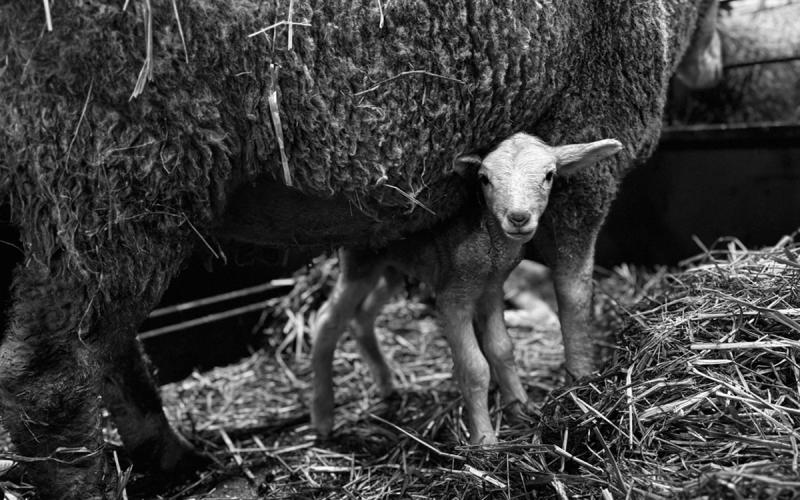
Several physiological responses may explain why shearing during mid-pregnancy can benefit fetal growth. Shearing temporarily exposes ewes to cooler temperatures and acute stress that may slightly increase metabolic activity as the ewe works to maintain body heat.
- Nutrient partitioning: As a response to increased metabolic activity, greater nutrient partitioning to the placenta may improve placental function, potentially supporting fetal growth and lamb performance.
- Hormonal changes: Shearing may influence hormones involved in growth and metabolism that support placental and fetal development.
- Improved placental function: Some research suggests increased placental blood vessel development occurs after shearing, which may improve nutrient transfer to the fetus.
Together, these responses may help explain why lambs from shorn ewes are sometimes slightly heavier at birth.
Why does Shearing Timing Matter During Gestation?
The timing of shearing is important because of how the placenta develops during pregnancy.
- Most placental growth occurs during early and mid-gestation, with development completed by about day 90 of pregnancy.
- During this period, the placenta develops the blood vessels and nutrient transport systems that supply oxygen and nutrients to the fetus.
- Management practices that influence the ewe’s metabolism before this stage may affect how efficiently nutrients reach the developing lamb.
Consequently, management changes during mid-pregnancy may affect the placenta's ability to support lamb growth later in gestation.
Management Considerations
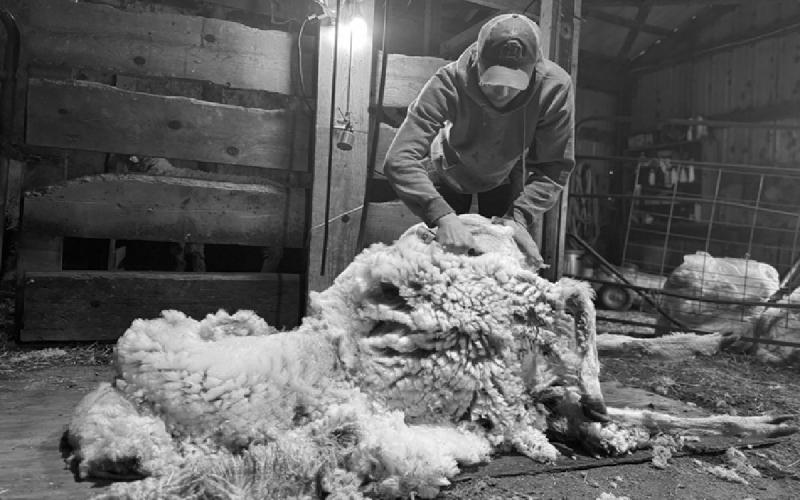
Although shearing is generally safe during pregnancy, proper management practices are important.
- Use low-stress handling techniques during shearing.
- Provide adequate shelter following shearing, particularly during cold or wet weather.
- Ensure pregnant ewes have adequate nutrition to support increased energy demands.
- Shear at least 30 days before lambing to reduce animal stress and potential abortions.
Key Takeaways for Producers
Strategic shearing during pregnancy may provide benefits beyond wool management.
- Shearing during mid-gestation may improve lamb birth weight and early growth.
- Most placental development occurs before day 90 of pregnancy, making this an important window for influencing fetal growth.
- Proper nutrition and shelter are important to manage ewes after shearing.
Conclusion
For producers interested in potential lamb growth benefits, shearing ewes during mid-gestation (approximately 50–90 days of pregnancy) may be a useful management tool when combined with good nutrition and proper weather protection.
For a full summary of this research conducted at SDSU, visit Open Prairie.