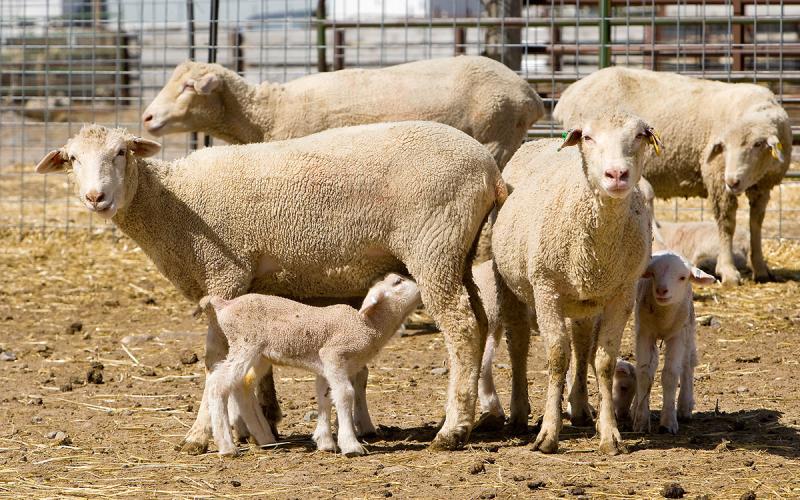
Sheep keds (Melophagus ovinus) are blood-sucking external parasites that can significantly impact sheep production. Sheep ked infestations cause discomfort for sheep and lead to reduced wool quality, weight loss, and, in severe cases, anemia. Understanding the lifecycle and knowing treatment options are the best ways to manage any parasite, including keds.
Profile
Sheep keds are sometimes referred to as “sheep ticks.” However, this term is misleading since they are not ticks at all. Keds are actually insects, and more specifically, flies. The lifecycle of sheep keds is quite unique and differs from that of many other ectoparasites. Unlike many insects, which lay eggs, sheep keds give birth to live young. This makes their reproductive strategy different from many other parasitic insects.
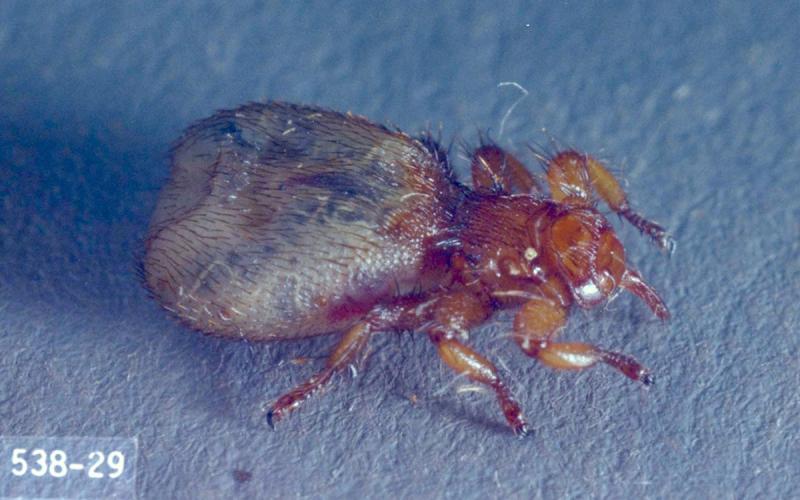
Adult sheep keds are wingless flies that are nearly ¼ inch long and reddish-brown in color (Figure 1). They spend their life (several months) on sheep, during which time they feed on blood and reproduce. Female sheep keds give birth to fully developed larvae. The larvae are “glued” to the wool with a sticky substance and pupate within hours after they are born. Upon completion of their pupal stage (3-4 weeks), adult keds emerge and begin the cycle again, continuing to spread to other nearby sheep.
Keds are host specific, so they cannot be transmitted from other animals carrying Hippoboscidae species. These wingless insects thrive in cool, moist weather, with the most significant infestations seen in March through May. Populations may see an additional rise in late fall.
Impacts on Sheep
Sheep ked infestations can cause a variety of issues for sheep. The blood-feeding nature of the keds leads to irritation, wool damage, and anemia. Below are some of the common impacts:
- Wool Quality: The bites cause irritation and inflammation that leads to itching and wool loss, as well as a skin condition called “cockle”. The damage to the wool and hide affects its market value.
- Weight Loss: Due to the blood loss caused by the feeding of keds, sheep may experience weight loss or stunted growth, especially in heavy infestations.
- Anemia: In severe cases, where large numbers of keds feed on a single sheep, anemia can occur. This results in pale mucous membranes, lethargy, and general poor health.
- Secondary Infections: The wounds caused by the feeding of keds can lead to bacterial infections. This can complicate the clinical picture and require additional veterinary intervention.
Treatment/Prevention

Effective management of sheep keds often requires a multi-faceted approach. Here are the key treatment strategies:
- Insecticides: Pour-on treatments, such as permethrin, are most commonly used to kill adult keds. External parasite dusts and dips can also be effective treatments. Systemic insecticides, which are absorbed by the animal and spread through its blood (i.e., oral drenches and injectables), can also be effective in killing feeding keds. Many of these are common dewormers as well, including ivermectin, moxidectin, and doramectin.
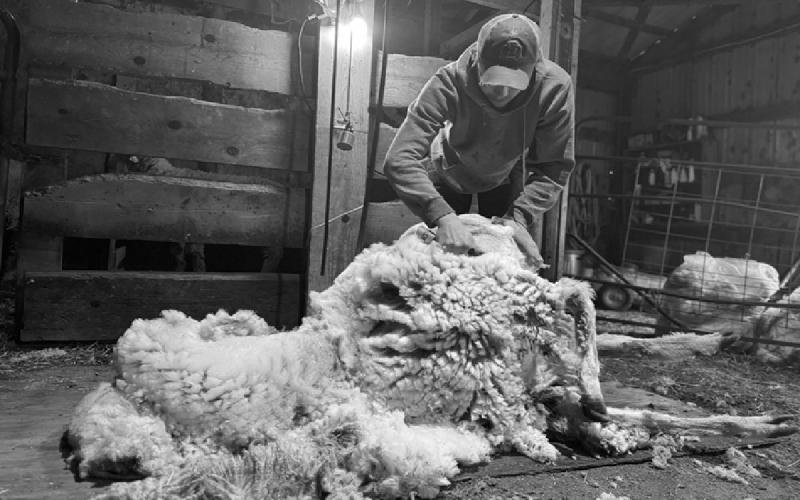
- Wool Harvesting and Shearing: Shearing sheep before applying insecticides allows for better penetration and effectiveness. Regular shearing can help reduce the population of sheep keds. In the case of an existing infestation, removing heavily infested wool and treating the animal with insecticides is essential.
- Environmental Management: Although keds often do not survive long in the environment, regular cleaning of barns and pens is vital in breaking the life cycle. Bedding should be changed regularly, and infested areas should be disinfected. Ensuring that sheep are not crowded can also reduce the spread of keds.
Sheep keds represent a significant health concern for sheep farmers, particularly in areas with high sheep populations and conducive environmental conditions. Understanding their life cycle, the impacts of an infestation, and the available treatment options can help mitigate the damage caused by this parasite. Regular management strategies, including the use of insecticides, good flock management practices, and environmental control measures, are essential for maintaining healthy sheep and preventing the spread of sheep keds.