Business
All Business Content

South Dakota Small Business Basics Program Participant Earns Award in Business Plan Contest
July 14, 2020
Heather Solberg of Volga has been awarded $500 to put toward a business plan concept she developed while participating in the Small Business Basics program coordinated by SDSU Extension.

Keep an Eye on Your Dairy Farm Employee Vision Health
With the aim to understand more about vision impairment with dairy employees, the SDSU Extension dairy team researched dairy employees' health status with a focus on vision care.
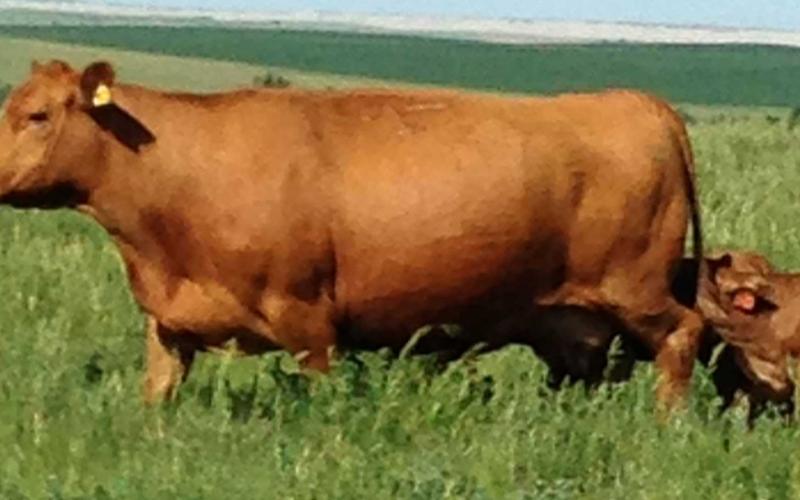
Alternative Calving Considerations
Structuring a calving program that best suites farm and ranch operations can be challenging. Of primary concern are: weather, labor, market timing, and animal health considerations, with weather possibly being the most volatile factor, as it ranges from challenging to catastrophic in some years.

Economic Impact of the Beef Industry on South Dakota
The beef industry in South Dakota makes a significant contribution to economic output and development in the state. As of January 1st, 2012 there were 1,610,000 beef cows in South Dakota. These cows produced 1,710,000 calves during the year and the industry produced an estimated $2,283,766,027 in gross income during 2012 (South Dakota Agriculture 2013).
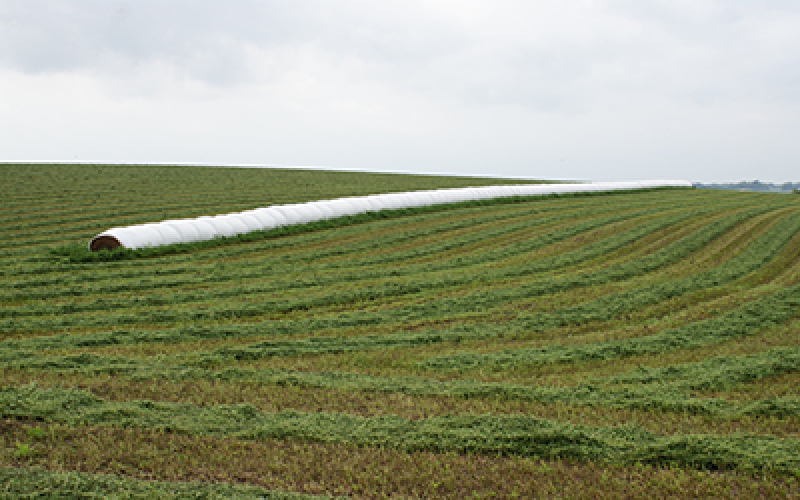
Determining Hay Prices
Before pricing forages, producers will want to have a good understanding about the cost of growing a ton of hay, alfalfa or straw.
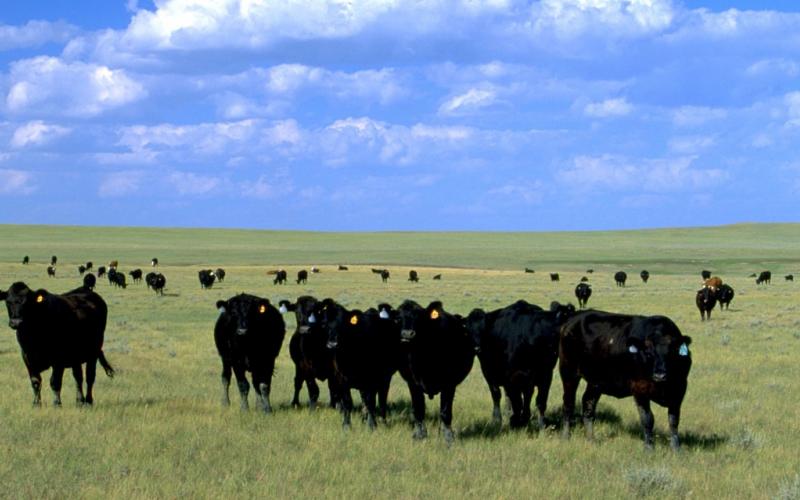
Census of Agriculture Cattle Insights
The "2017 Census of Agriculture" is a valuable source for insights related to cattle operations at the state level. There were 13,928 operations across South Dakota with cattle in 2017, and the total inventory was 3,988,183 head.
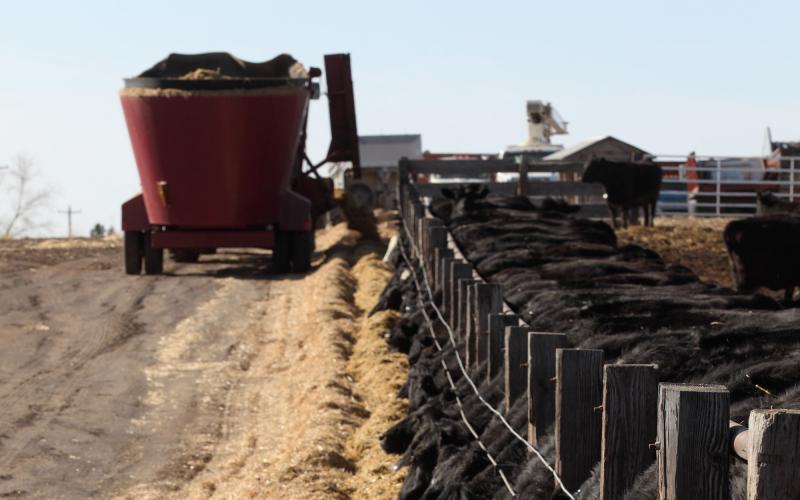
What Goes Into Calculating Yardage?
Yardage cost is the non-feed cost per head for every day that an animal is fed harvested feed in some form of confinement. Yardage is usually associated with calves and yearlings in the feedlot, but this concept can apply to drylotted or wintering cows as well.
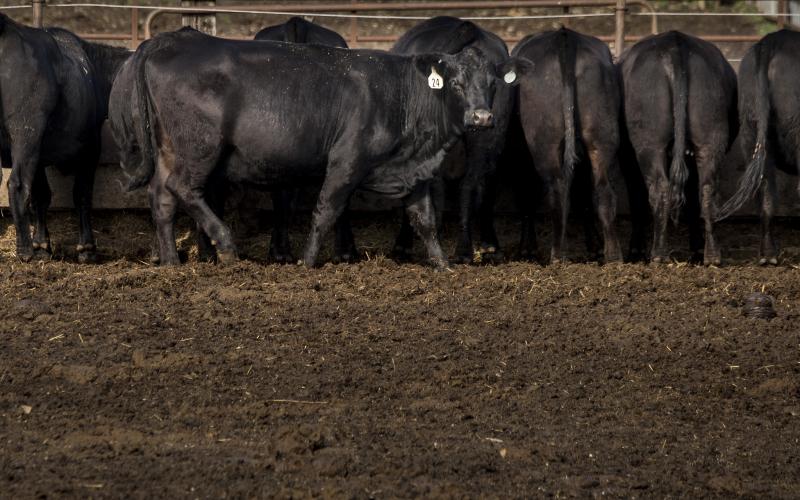
Do Temperament and Breed Type Play a Role in Feeding Efficiency and Carcass Quality?
Is there a relationship between temperament and profitability in cattle? A recent study conducted by Texas A&M University took a closer look at the impacts that temperament and breed types can have on feedlot growth performance, feed efficiency, feeding behavior, carcass characteristics, and value in finishing beef heifers.
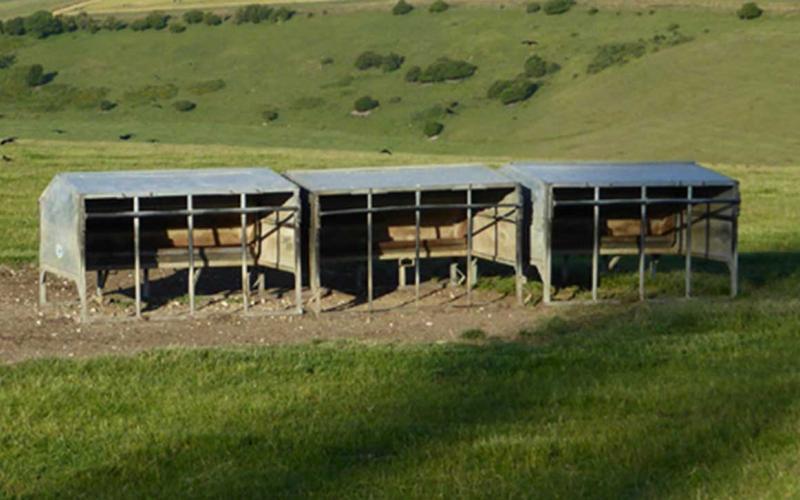
Creep Feeding Options: Will it Pay?
Creep-feeding should be evaluated on yearly basis to determine if it will provide production and economic benefits to the operation.
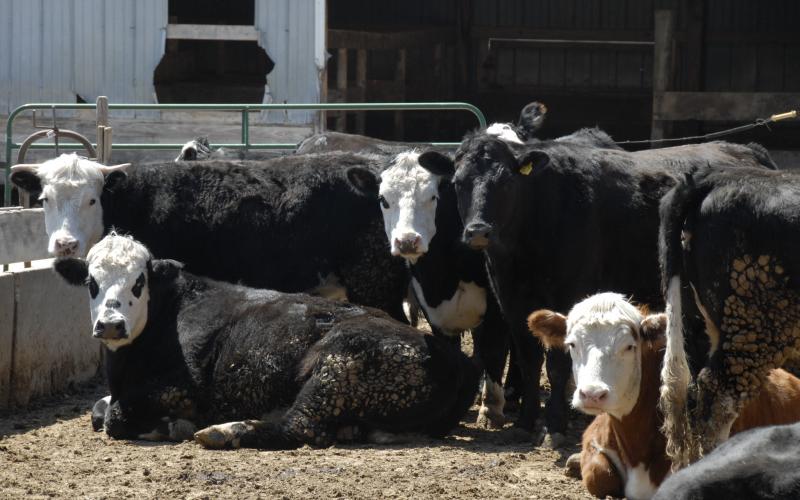
Liver Abscesses: The Unseen Profit Thief
Liver abscesses are a great example of an important value robber in feedlot cattle that’s not immediately apparent.