Business
All Business Content
![Soybean seed drill planting soybeans. Courtesy: Soybean Checkoff [CC BY 2.0].](/sites/default/files/styles/teaser_800x500/public/2019-02/W-M11461-00-soybean-planting-seeding.png?h=8e25fbe3&itok=F5rUzZIx)
Improve Soybean Profitability by Reducing Input Costs
While declining prices and increasing costs considerably reduce profit for soybean production, there are certain input costs that might be reduced to increase profitability.
Trade Impacts on Soybeans
Agricultural trade agreements were first established in the General Agreement on Tariffs and Trade (GATT), legal treaty signed initially by 23 nations in 1947. The purpose was to promote international trade by reducing barriers such as tariffs.
Soybean Production: Cost-effective pest management practices
Chemicals were one of the most expensive individual costs in soybean production, behind only to seed in the non-land cost category. The average cash-rent soybean production farms incurred a crop chemical cost of $39/ac in 2015, an 88% increase from 2010.
Late Plant Crop Insurance Dates
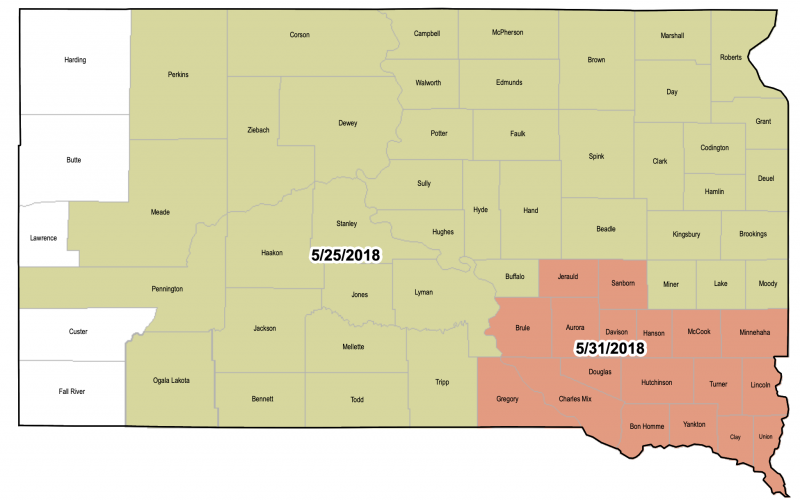
Crop insurance late plant dates are fast approaching for planting small grains in South Dakota. Late plant dates for corn, soybean, and sunflower are nearing as well. Producers will want to work with their crop insurance agent to explore planting options and reporting of prevent plant areas.
Corn Grain Moisture Discount: Why and How Much?
Corn marketed at the standard moisture content of 15.5% and 56 pounds per bushel typically contains 47.3 pounds of dry matter and 8.7 pounds of water. At harvest, a producer has to decide whether to sell (or even store) his corn at ‘as is’ moisture content or mechanically dry it before taking it to the buyer.
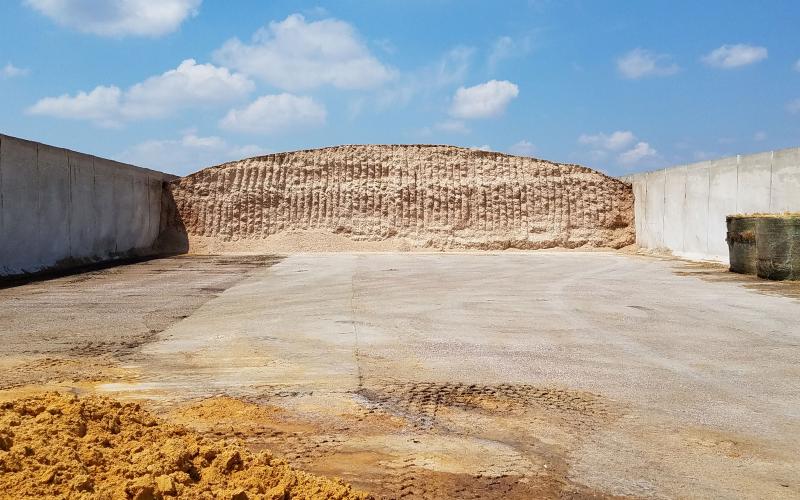
Valuing High-Moisture Corn and Earlage
A key advantage to using commodities that meet standard specifications and are frequently traded is that it is very easy to establish an economic value that is accepted by most users. The marketplace sets the value of corn, and other feedstuffs on a daily basis, provided those products meet some set of standard specifications.
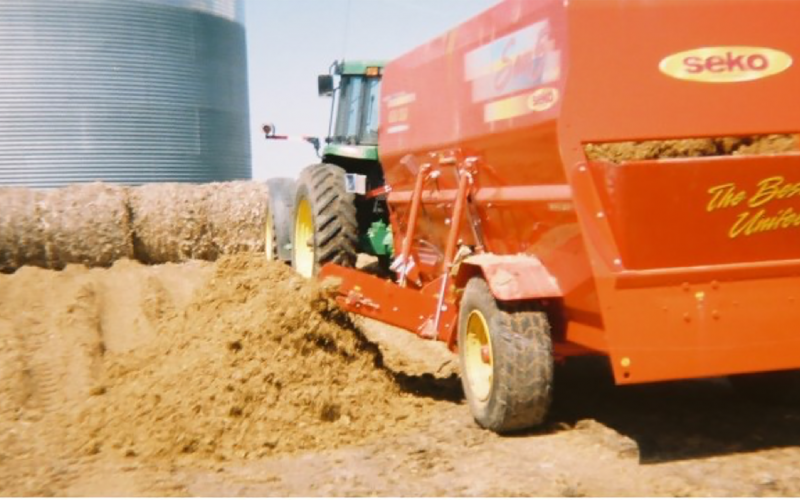
Storing Wet and Modified Distillers Grains
One of the primary challenges for livestock producers in the coming months could very well be feedstuff cost and availability due to the fact that the corn planted acreage and crop progress are both well behind normal benchmarks. One opportunity that might help cattle feeders proactively secure feed supplies would be storing wet or modified distiller’s grains now to be fed at a later date.
Corn Production Costs in the Northern Great Plains
Supply and demand regulates U.S. agricultural and non-agricultural markets all the time. Prices increase when scarcity of a certain item is anticipated. Similarly, prices drop if the market is saturated because of oversupply or there is a reduced demand for the product.

Livestock Market Disruptions
COVID-19 has affected the market availability for finished cattle and hogs. Some beef and pork processing facilities have closed for cleaning and social distancing of their employees. While some of these facilities have scheduled a date to reopen at reduced capacity, others remain closed with no announced plans to resume operations.
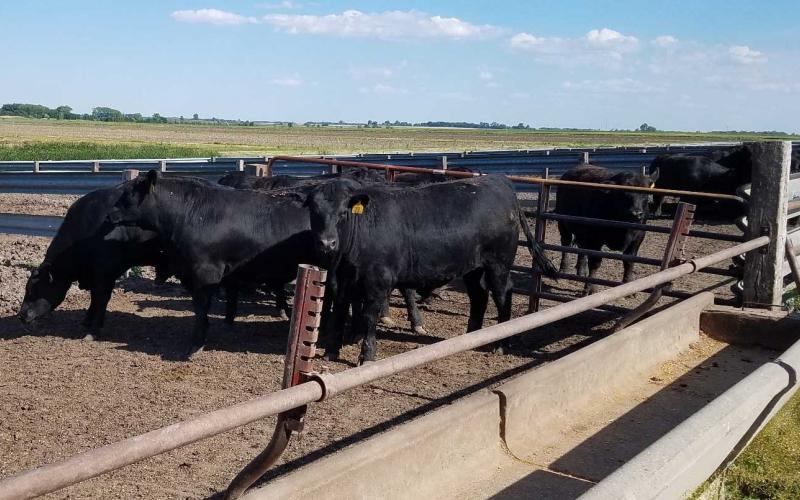
Bigger Cattle. Warmer Weather. What Can Go Wrong?
The disruptions in the beef processing sector caused by COVID-19 continue to interfere with the orderly marketing of finished cattle. While we all hope that the situation is resolved quickly, the reality is that because the shipment of so many harvest-ready cattle has been delayed, there will be increased numbers of heavier cattle on feed for the foreseeable future.