Business
All Business Content
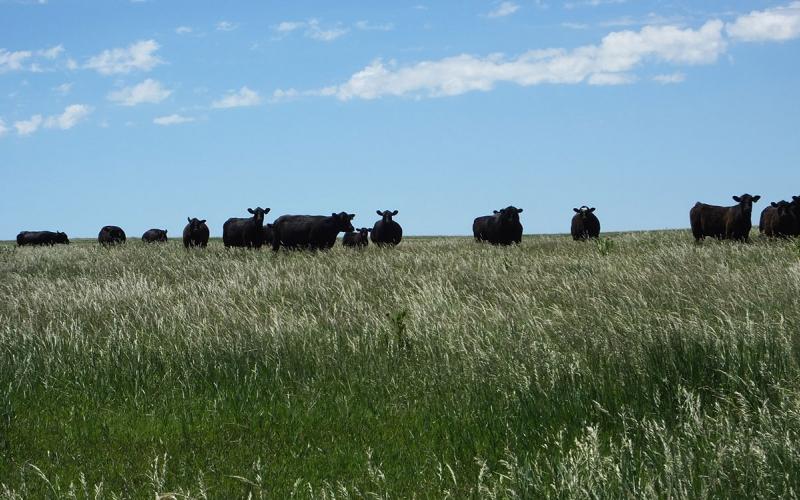
Grass-Fed Beef: Production Costs, Quality, Voluntary Certifications and Marketing
Generally speaking, grass-fed beef producers are challenged with production expenses that are greater than those of conventionally raised beef. However, profit margins can be greater than those of conventionally raised beef if marketed wisely and creatively.
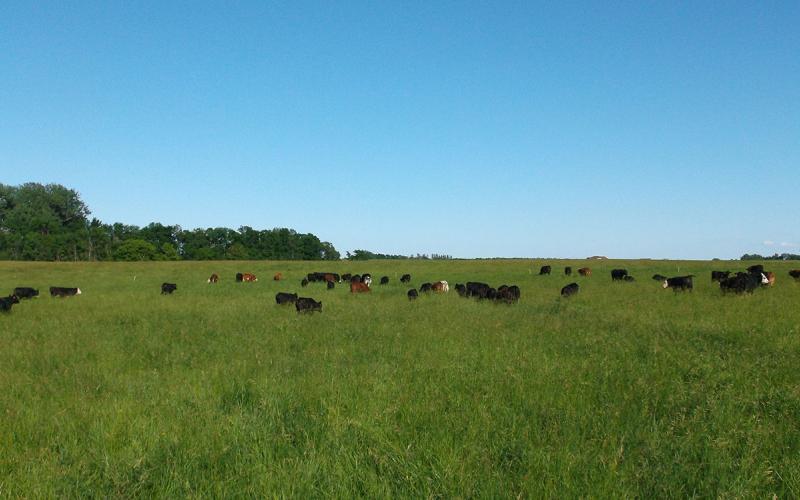
Grass-Fed Beef: Market Share of Grass-Fed Beef
So, how significant is the grass-fed beef industry in America? About four percent of U.S. beef retail and food service sales is comprised by grass-fed beef with a value of roughly $4 billion.
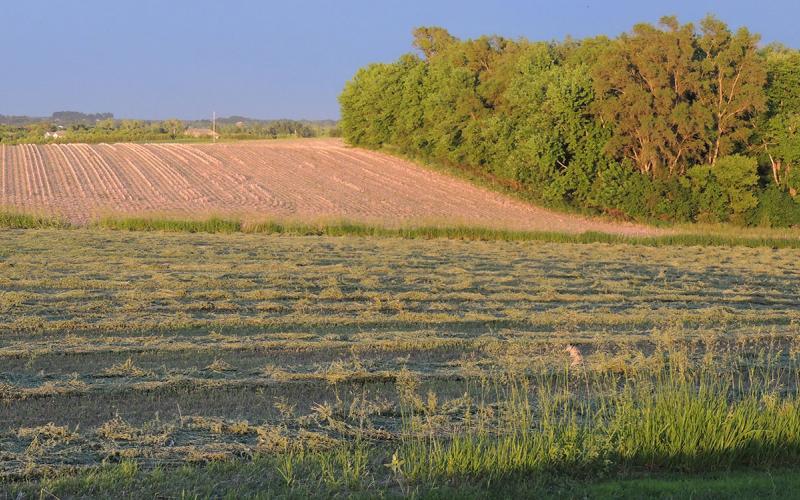
Forage Resources for South Dakota Farmers and Ranchers
Producers often have difficulties locating fellow producers to buy, sell or rent forages and grazing acres too. South Dakota now has two widely recognized, free resources to aid in these connections.

Qualifying Livestock Forage Program Applications
As drought conditions worsen, livestock producers will find feed assistance from the Livestock Forage Program administered by the U.S. Department of Agriculture Farm Service Agency. Learn how to qualify, apply and certify your application for assistance.
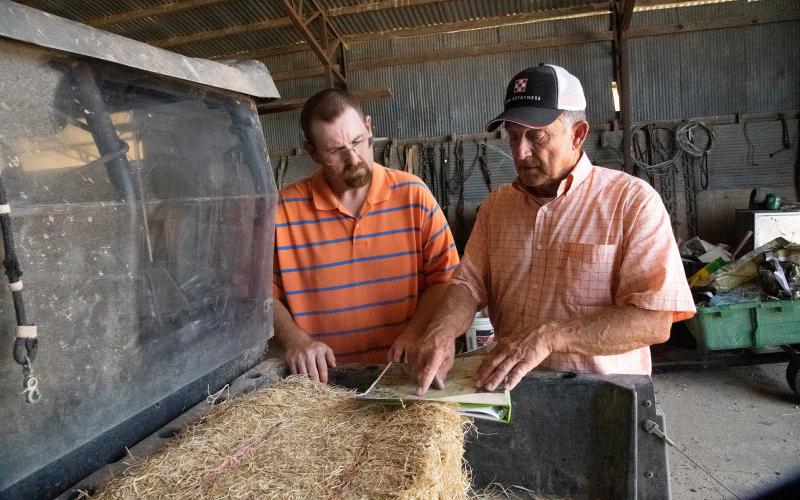
Livestock Risk Protection for Cattle
Price rallies, general price volatility and concern that prices may move lower could lead producers to insure livestock prices. Livestock Risk Protection is an insurance program that covers the single-peril or risk of lower prices on fed cattle and feeder cattle.
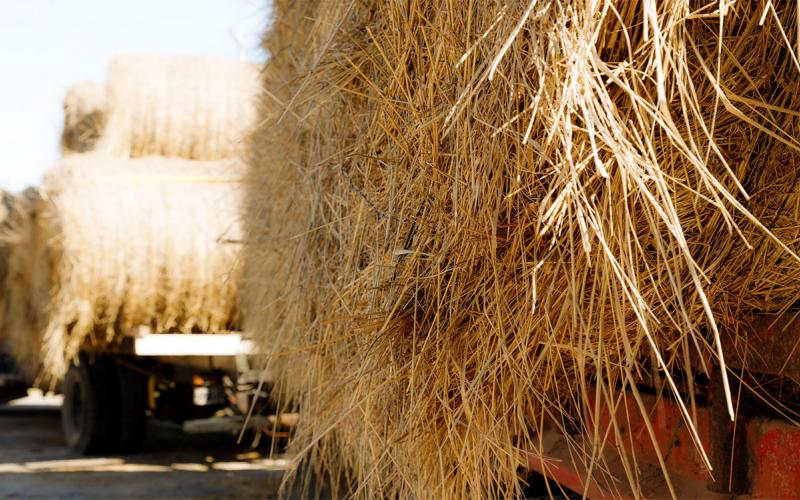
Haul the Feed or the Cows
Reduction in pasture forage availability may require producers to decide between hauling feed or hauling cows. Learn how to decide which option is best for your operation.
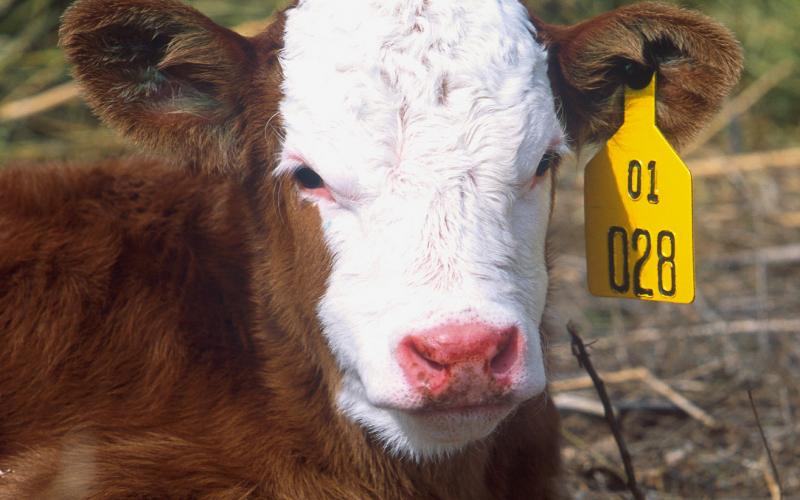
Economic Considerations for Early Weaning
There is an excellent reason why ranchers use early weaning as a drought management tool: Weaning calves early reduces the amount of feed required to maintain the cow.
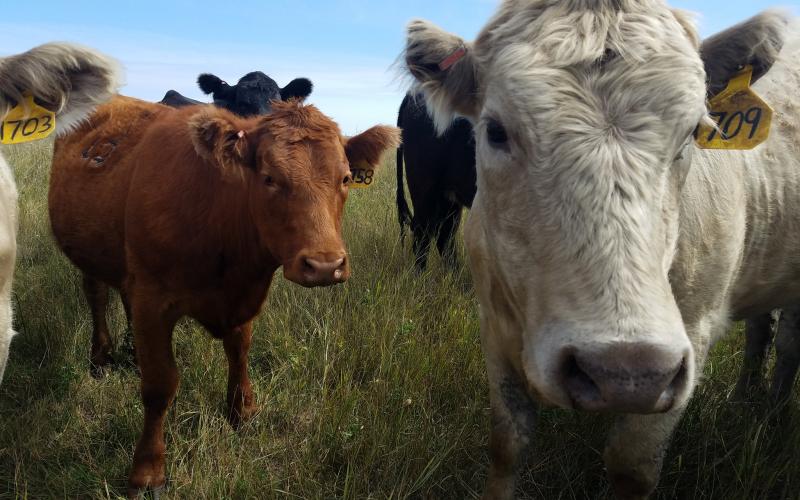
Feeding at the Right Price
Managing feedstuffs efficiently becomes more important during drought conditions or low revenue years.
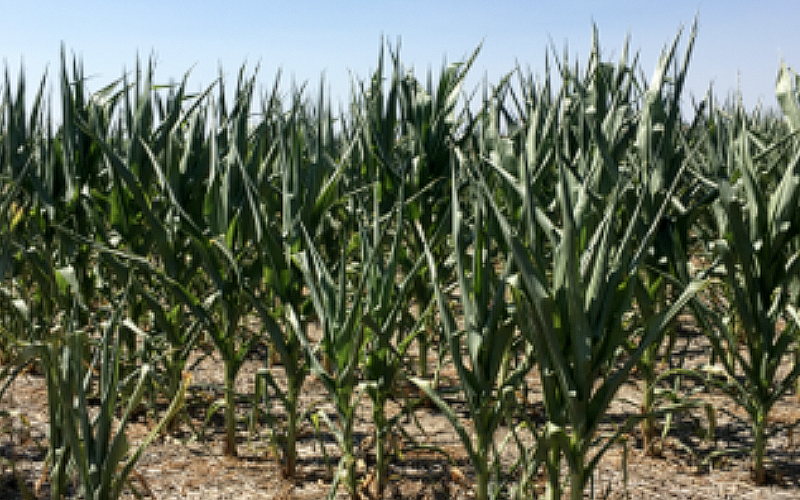
Using Drought-Stressed Corn as Forage
When drought has compromised tonnage of corn grain, silage producers may still retain part of its feeding value.
Stretching Corn Silage Supplies
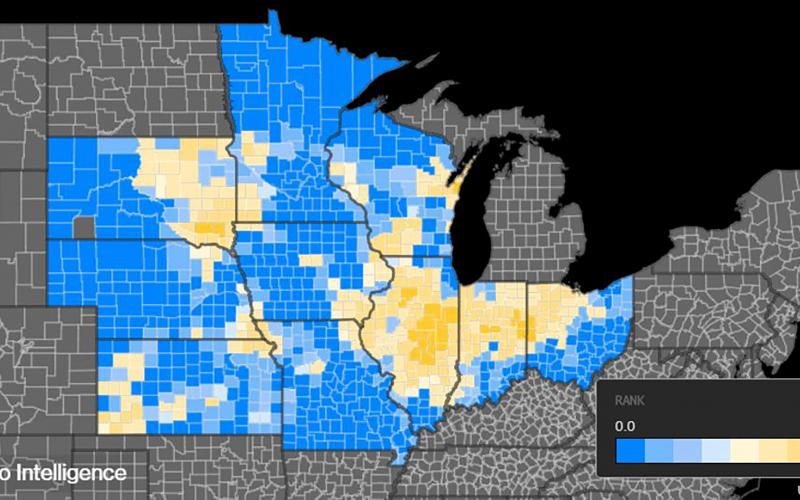
During the 2002 drought there was a need to stretch corn silage supplies as a result of the drought that affected the U.S. Now we deal with the opposite scenario, where excessive spring rains have not allowed farmers to get to the fields. In both situations livestock producers face challenges.