Garden
All Garden Content
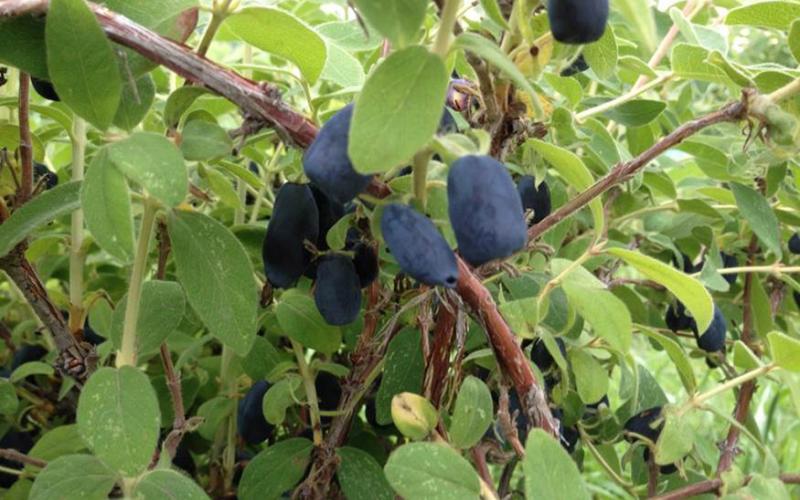
Honeyberries: A New Fruit for Your Garden
Honeyberries, shrubs with fruit resembling elongated blueberries, are gaining in popularity in northern climates.
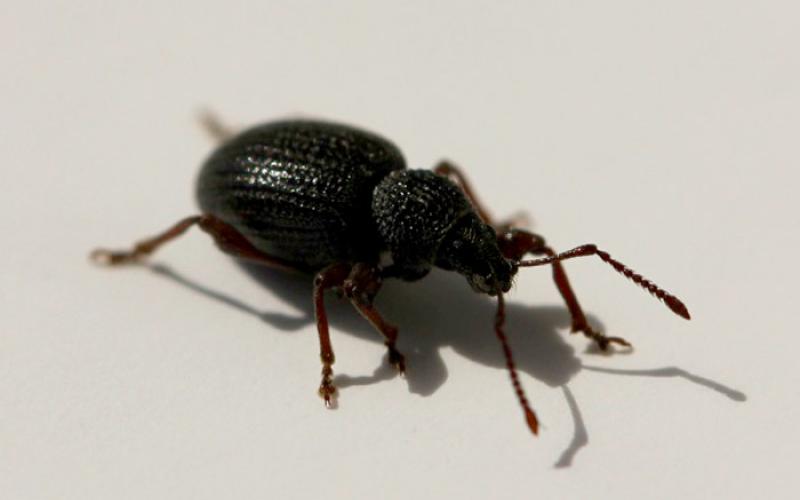
Root Weevils & Imported Longhorned Weevils Finding Their Way Inside
We have been receiving reports of small, black insects that are observed crawling up bathroom walls, hanging out in basements, or otherwise finding their way inside.
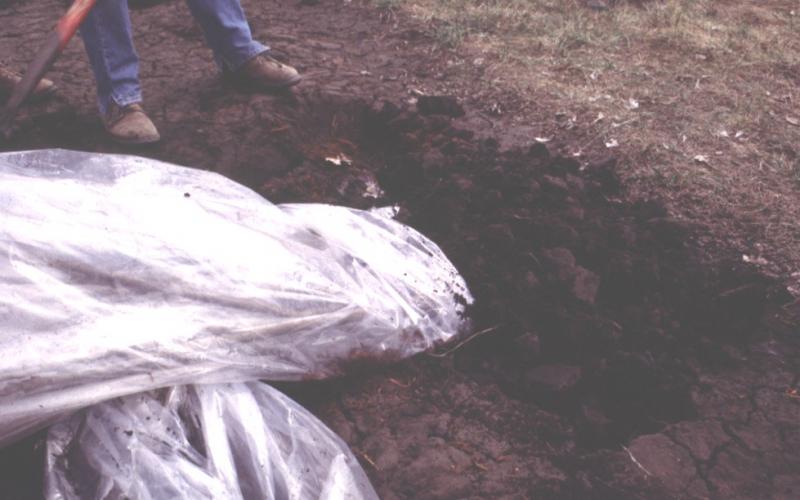
Planting Bare-Root Trees
Bare-root is an excellent means of planting a tree.
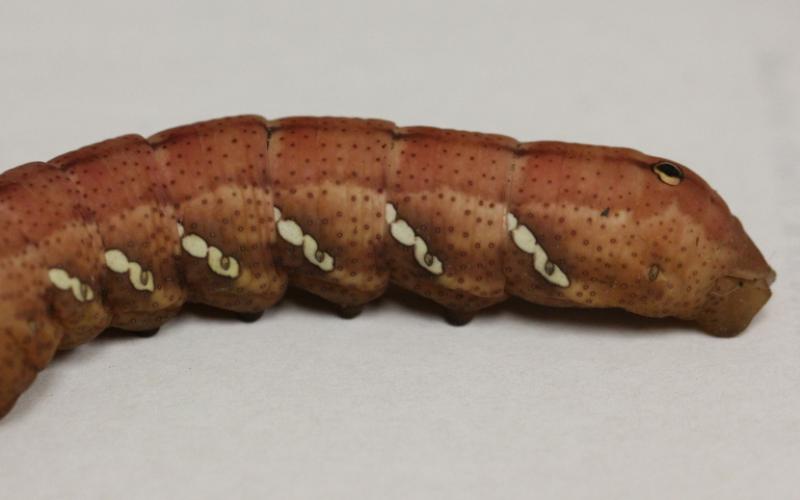
Achemon Sphinx Moth Caterpillars
Achemon sphinxe caterpillars (Eumorpha achemon) feed on wild grape, Virginia creeper, and related vines.
Tree Rust Diseases
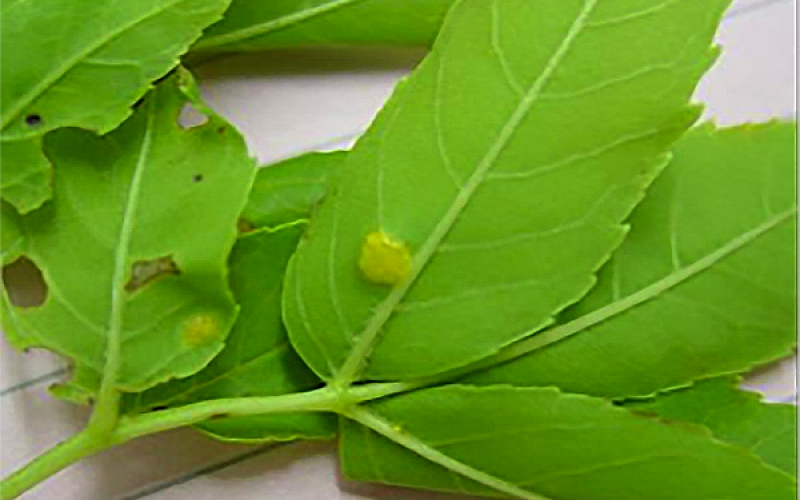
Ash rust and crown rust are two common rust diseases that impact South Dakota trees.
Pruning Red Raspberries
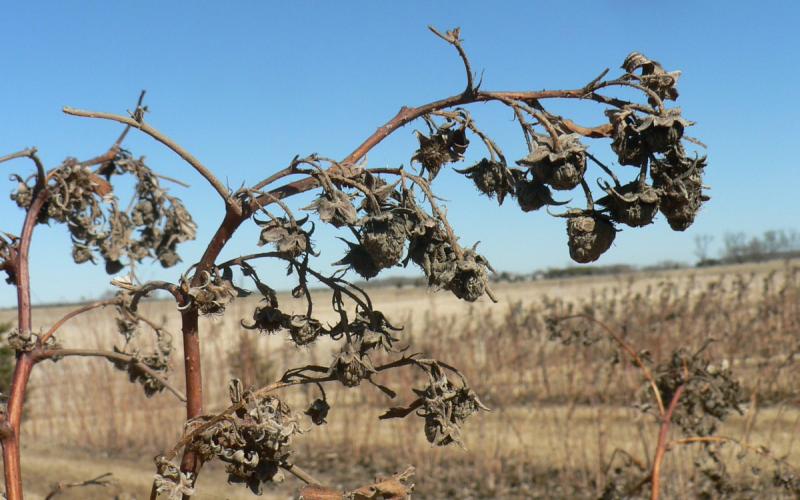
Red raspberries can produce a quart of fruit or more per linear row, but high yield fruit production requires annual pruning.
Tips to Make More Efficient Use of Your Garden Space
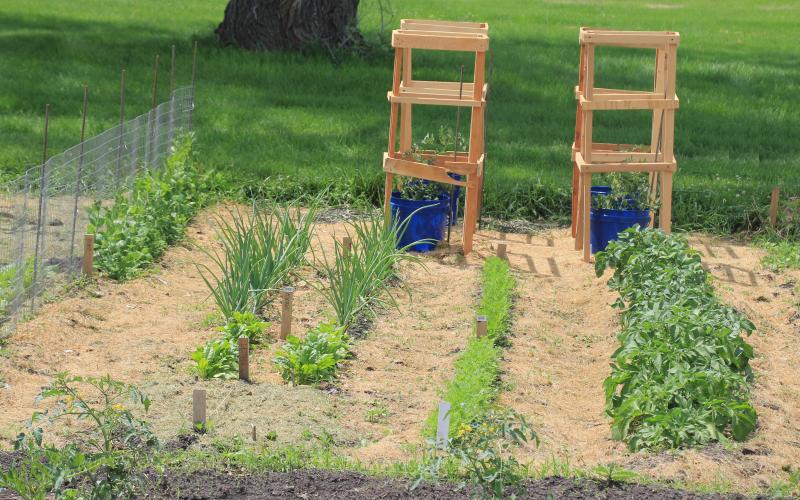
If you don’t have much garden space it is important to get the most from what space you have available.
Why Add an Agritourism Enterprise to Your Farm or Ranch?
Agritourism is the practice of touring agricultural areas to see farms and often to participate in farm activities.
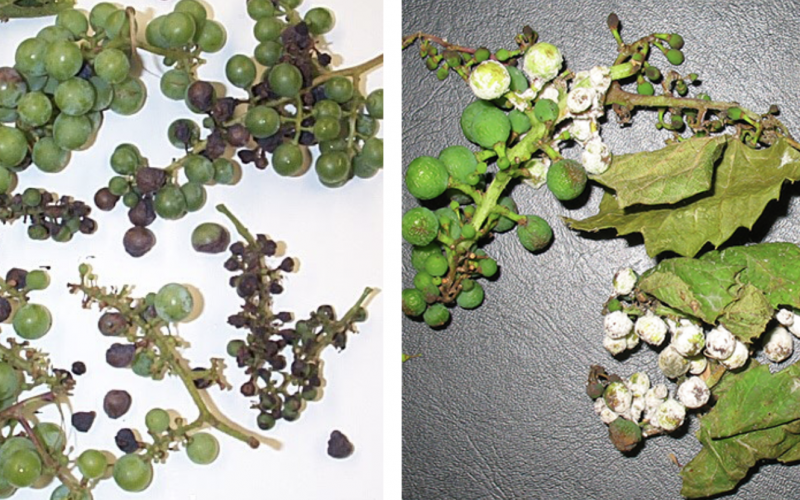
Black Rot & Downy Mildew: Two diseases that can rot grapes
There are several different diseases that can infect the fruit, but two of the most common are black rot and downy mildew. Their symptoms are quite different.
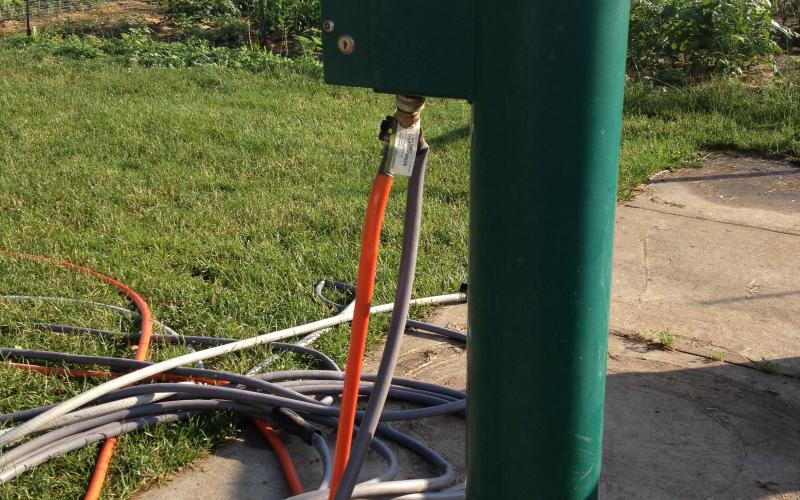
Community Gardens: Budget & Fees
In order to have a sustainable project, it is very important to identify all of the expenses that are involved in the operation of your community garden. Are there costs associated with utilizing the site, site preparation (tilling, plowing, soil testing, or soil amendments), on-site resources (hose, fencing, or shared tools), marketing the garden, water usage, or insurance?