Garden
All Garden Content
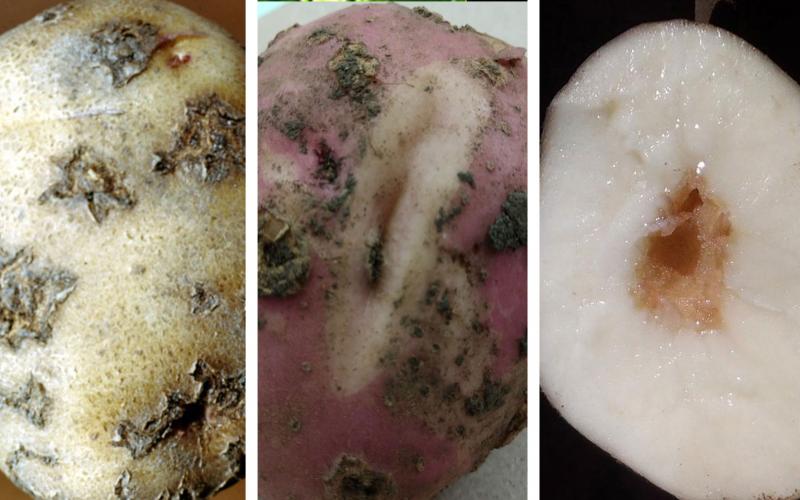
What’s Wrong With My Potato?
We are accustomed to perfect-looking potatoes from the grocery store, but sometimes our homegrown tubers don’t meet that same standard. Following are a couple of common problems home gardeners may contend with.
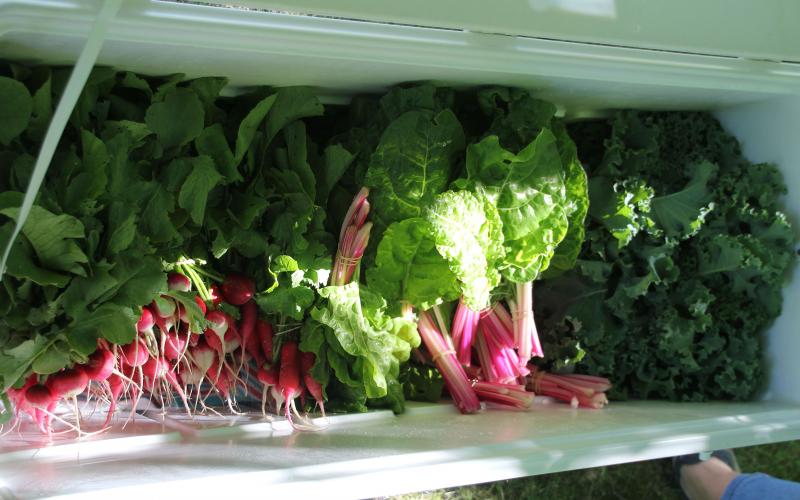
Container Gardens and CSAs
Just about all of us have room to grow a few vegetables, as long as you have some space where they can get good sun exposure for at least six hours a day. You don’t even have to have a garden!
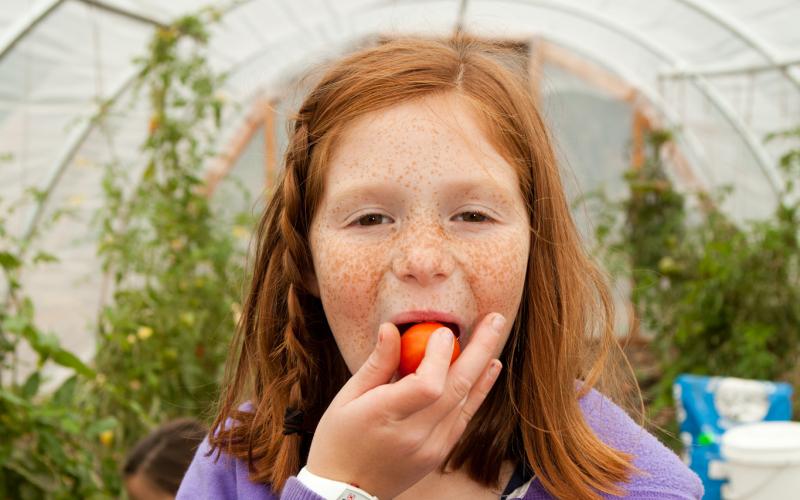
Agritourism
When a producer has decided to sell a product directly from the farm, entertainment or tourism-based activities could be incorporated to create larger appeal. Agritourism could add value to the farm visit though education, entertainment, outdoor recreation, dining, relaxation or other avenues, potentially drawing more customers in.

CSA Models
Community Supported Agriculture (CSA) marketing is an outlet that allows a farmer to sell subscriptions or shares to consumers prior to the growing season. When the produce or food product is harvested it is then delivered on a scheduled basis to the customer.
Founding a Farmers Market: Form a Planning Team
The first step to forming a new farmers market is to form a planning team. Keep the team small enough so that it is simple, small and manageable.
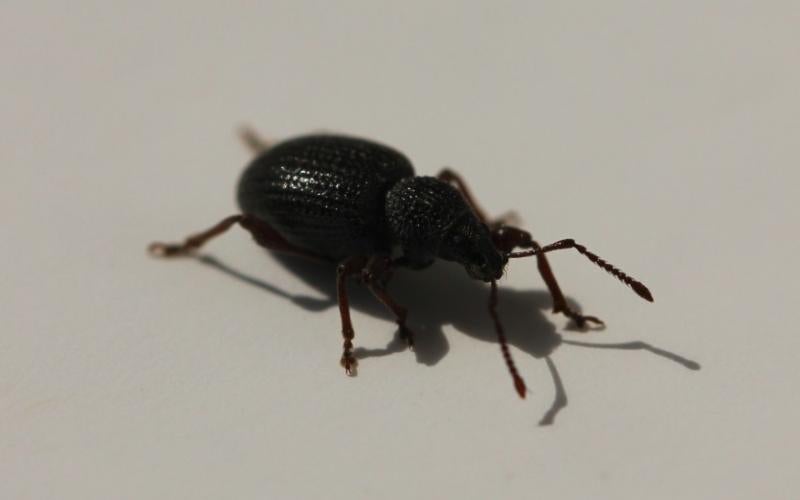
Black Vine Weevils Becoming Active
Black vine weevils are now showing up across the state. It is typical for the adult beetles to emerge in early summer and begin feeding on plant foliage. They primarily feed on lilacs and yews, both common landscape shrubs. Although the adults cause minimal damage, their larvae feed on the roots and can occasionally be a threat to ornamental plants, especially those grown in pots or containers.
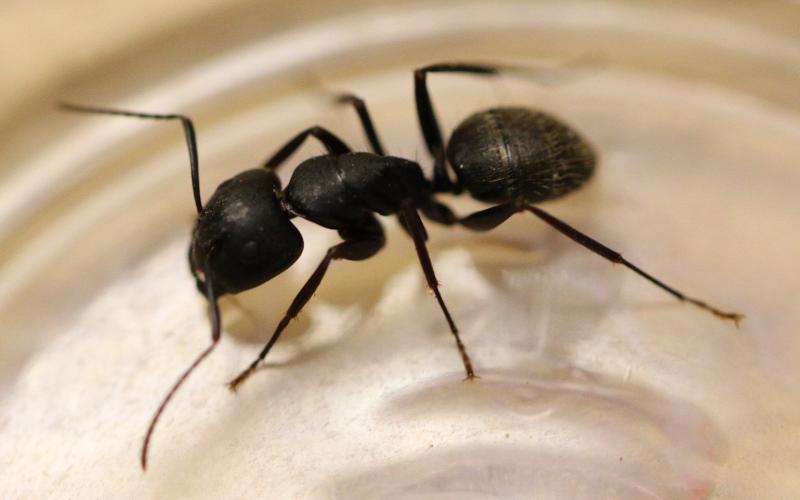
Watch Out For Carpenter Ants
With the continued moisture and warmer temperatures, carpenter ants have become a more common appearance in South Dakota. Similar to termites, this insect can be a structural pest, causing damage to homes and other buildings. It is important to identify and treat carpenter ants early to prevent any potential damage.
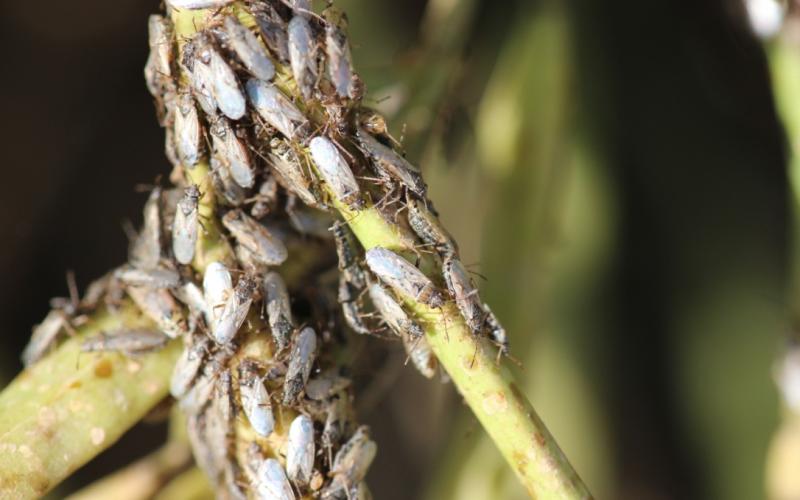
False Chinch Bugs in the Garden
Swarms of false chinch bugs have started appearing in South Dakota this month. Although they are typically only a nuisance pest, their populations can become magnified during cool, wet springs (like this year). In high abundances, false chinch bugs can pose a threat to garden plants, especially Brassica plants such as broccoli, cauliflower, turnips, and cabbage.
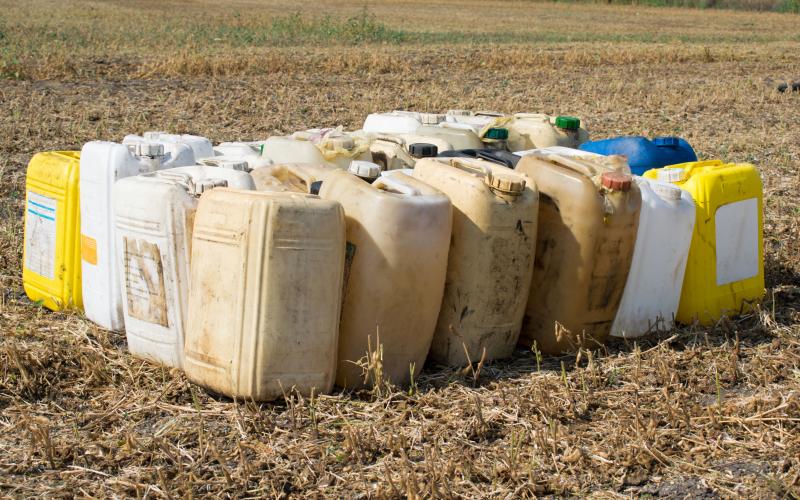
What to Do With Unusable Home and Garden Pesticides
As a gardener or homeowner, you may be wondering what you can do with your leftover pesticide products (including herbicides, insecticides, and fungicides), or maybe you bought a new home and the garage or basement is full of mysterious containers with no labels. If products are stored in garages or other areas with a lot of temperature changes, these products may become entirely unusable. So what to do?
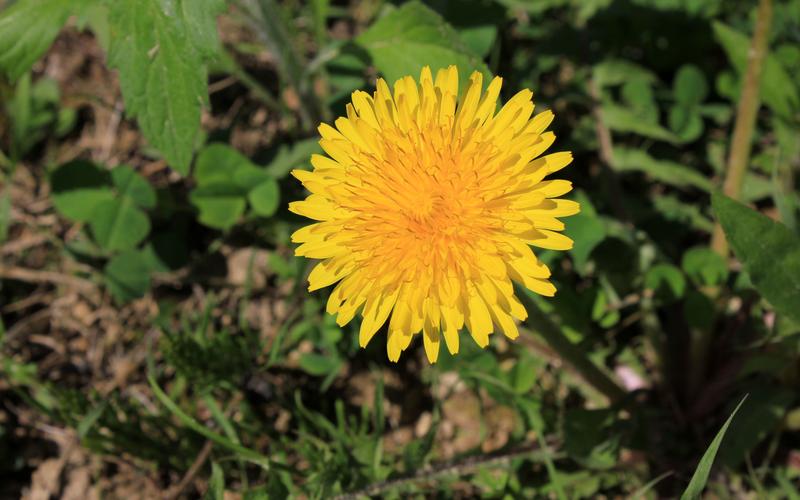
Dandelion Season
The yellow flowers of spring are coming. Spring dandelion treatments are not as effective as fall, but they can be used to stop the yellow flowers from producing viable seed.