Content by SDSU Extension

SDSU Extension to Host Summer Farm Stress Series
May 24, 2021
South Dakota State University Extension is launching additional virtual farm stress workshops to promote mental health awareness from May throughout the summer.

Attending World Pork Expo? Consider Biosecurity
The World Pork Expo will return to the Iowa State Fair June 9–11, 2021. Pork producers and production employees must always be vigilant about biosecurity, especially when visiting industry events.

South Dakota 4-H Awards 2021 Scholarships
July 28, 2021
South Dakota State University (SDSU) Extension and South Dakota 4-H are proud to announce the 2021 State 4-H Scholarship recipients.
Synchronization for Natural-Service Breeding Programs
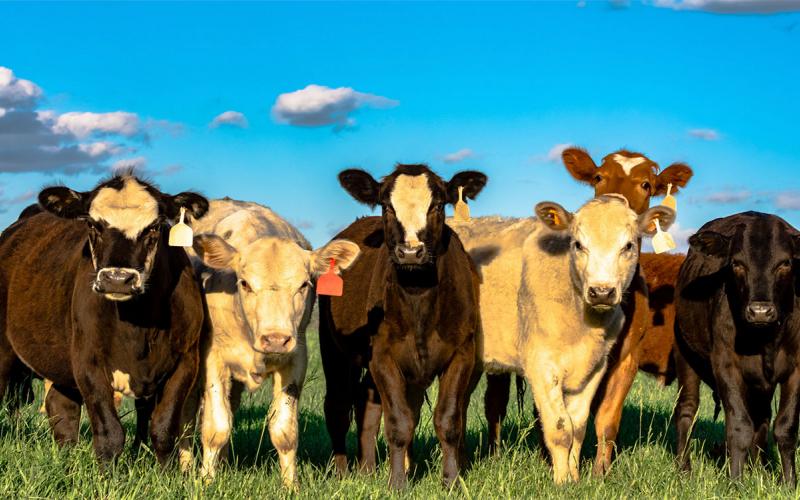
Similar to synchronization with artificial insemination, the benefits associated with natural-service synchronization are similar: a concise calving distribution with the potential for heifers to be serviced twice in about 30 days versus twice in 40 days.
Watch Closely for Weed Emergence
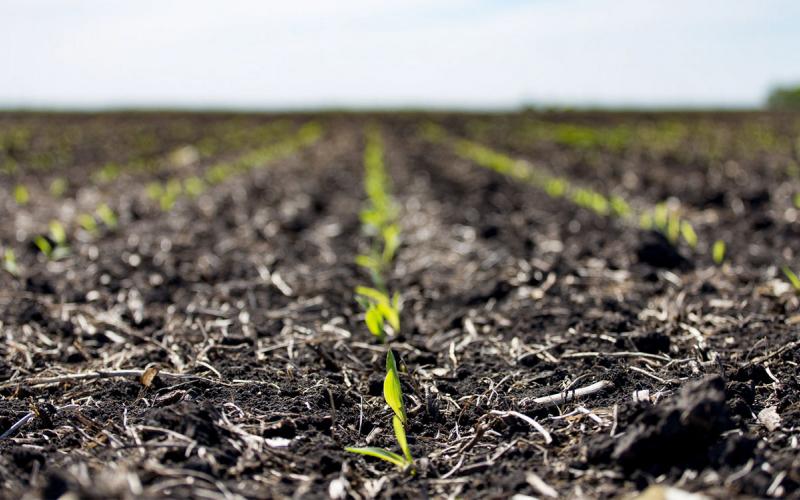
Cool, dry conditions have slowed weed emergence and growth, but dry conditions also have limited the activation of preemergent chemicals. Given this scenario, fields need to be scouted closely to ensure that weeds do not get away.
SDSU Extension to host Wheat Walks in June
May 13, 2021
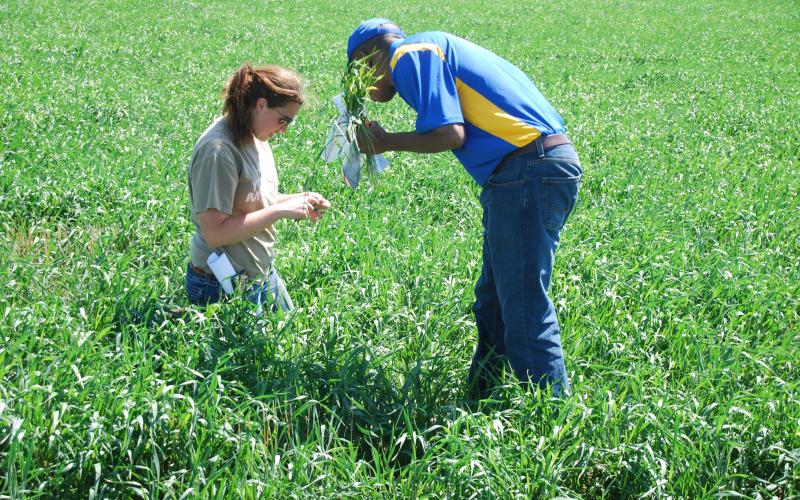
The 2021 Wheat Walks are slated for June 2 and 3 and will be held near Pierre, Clark and Mount Vernon.
Helpful Food & Shopping Tips During Unexpected Events
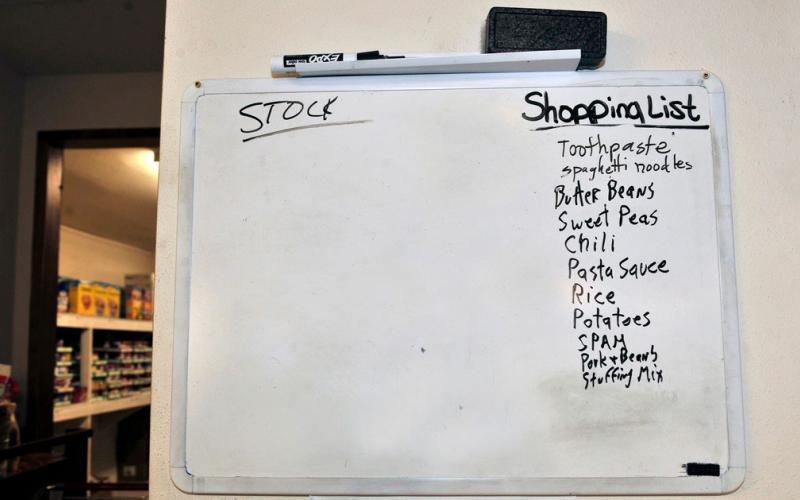
When faced with unexpected events, such as a health crisis or natural disaster, planning meals and grocery shopping often comes to mind along with questions: What should I plan to make? What groceries do I need?
Registration Open for Mineral Nutrition for the Beef Cow Herd
May 10, 2021
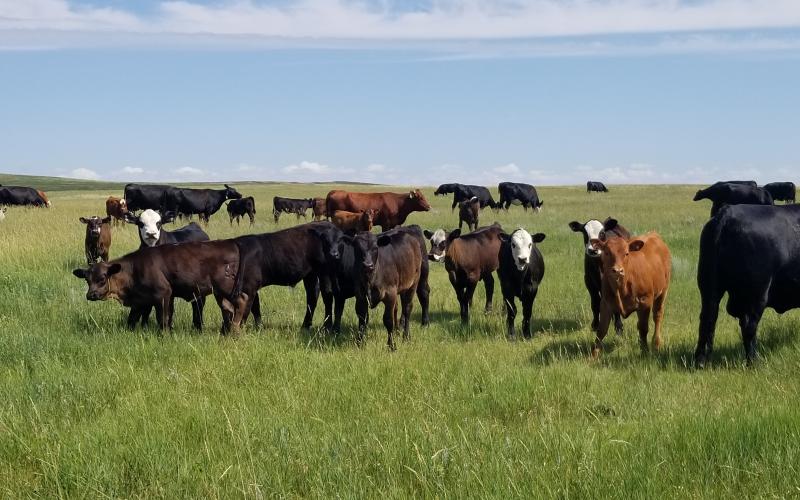
To date, the Mineral Nutrition for the Beef Cow Herd series has drawn participants from 79 operations, plus 22 industry and Extension personnel from South Dakota, North Dakota, Minnesota, Colorado and Illinois.
Rangeland and Soils Days set for June 2 in Murdo, Redfield
May 06, 2021
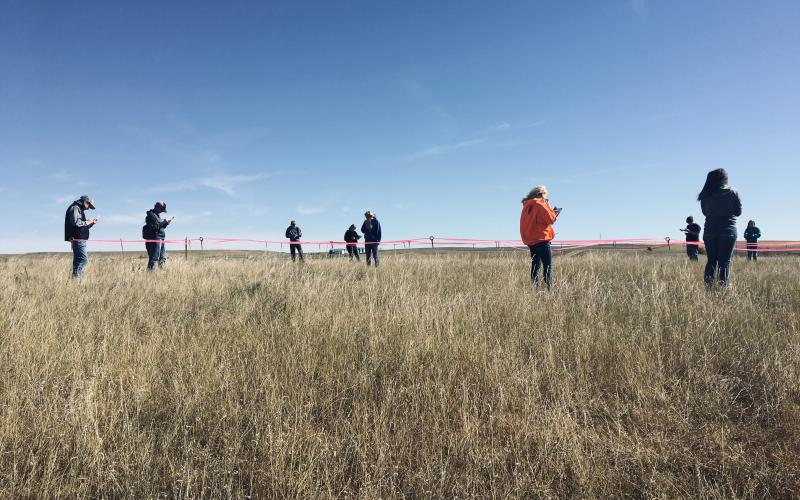
The event will focus solely on the Go-Getter (14-to-18-year-old) division. The Go-Getters will judge habitat suitability for cattle and grouse, in addition to plant identification and morphology.
Check Your Bins This Spring
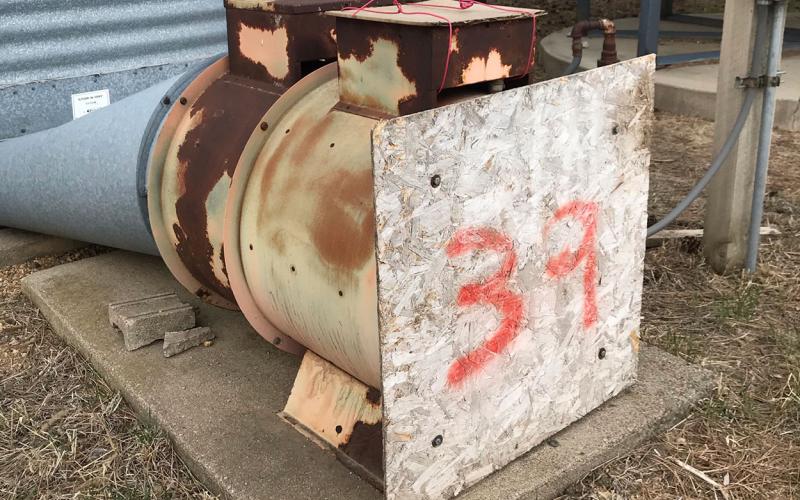
As it warms up this spring, don’t forget to check the bins. Grain bins work as solar heat collectors, and the grain inside of them may be much warmer than expected.