Content by SDSU Extension

Smart to Lead SDSU Extension Agriculture and Natural Resources Program
July 06, 2021
South Dakota State University Extension has named Alexander “Sandy” Smart as the new Agriculture and Natural Resources Senior Program Leader.

Building Highly Effective Boards
Whether you are starting a new board or solidifying the roles and workings of an existing board, this program is a great way to get all members on the same page.
Drought Planning
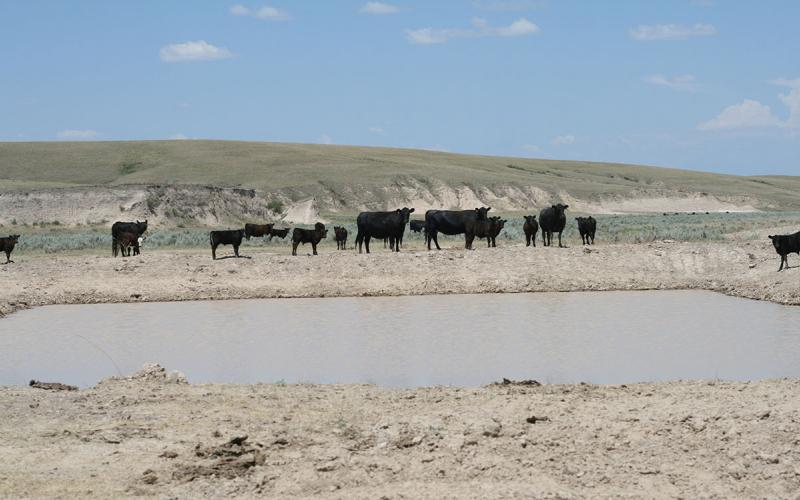
A drought plan will be an essential component to your overall grazing plan, as it provides guidance in making decisions during critical times when forage may be lacking.
General Principals of Grazing Management
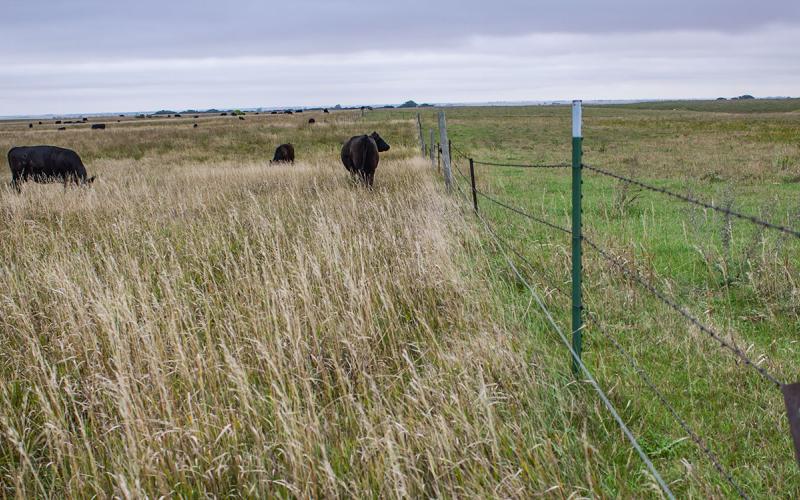
Grazing involves a number of variables, including land carrying capacity, type and distribution of the livestock, water distribution and number of pastures. A combination of proper grazing techniques and grassland management will improve harvest efficiency and lower production costs.
Grazing Systems
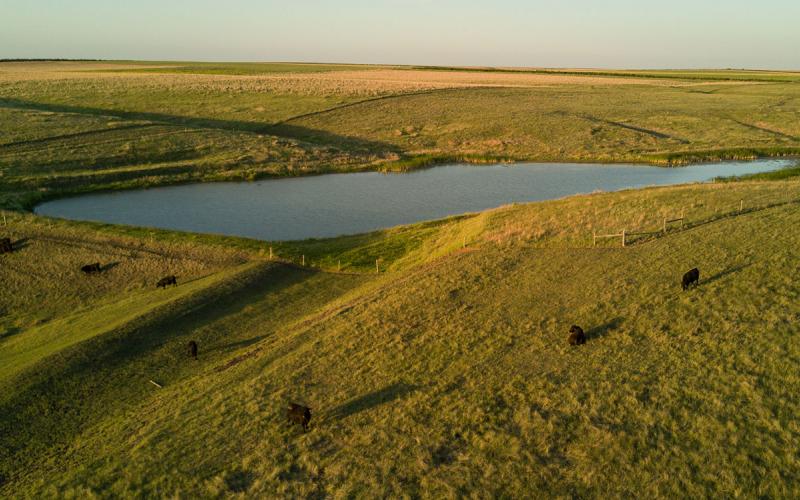
According to rangeland and pasture specialists, there are four basic types of grazing systems, including: continuous grazing, deferred rotational grazing, rest rotational grazing and management-intensive grazing.
Designing a Grazing Program
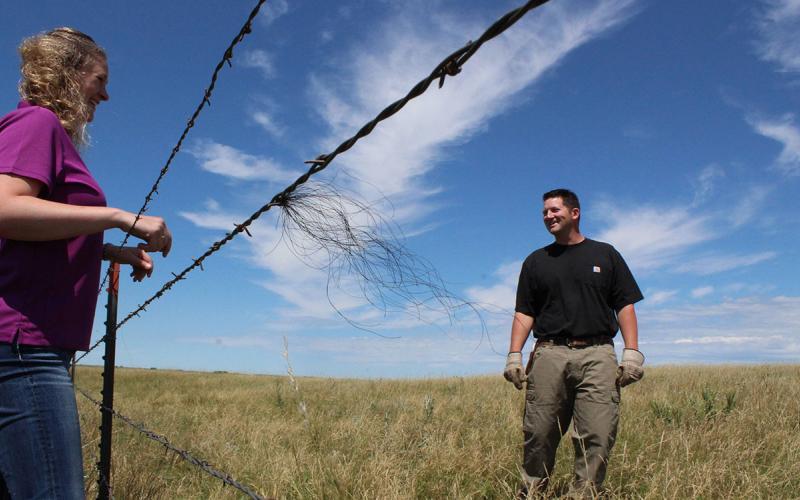
The development of a successful grazing management program begins with a mental inventory and an observation of what is happening that you would like to change. Next, consider what you are willing to do to make that change.
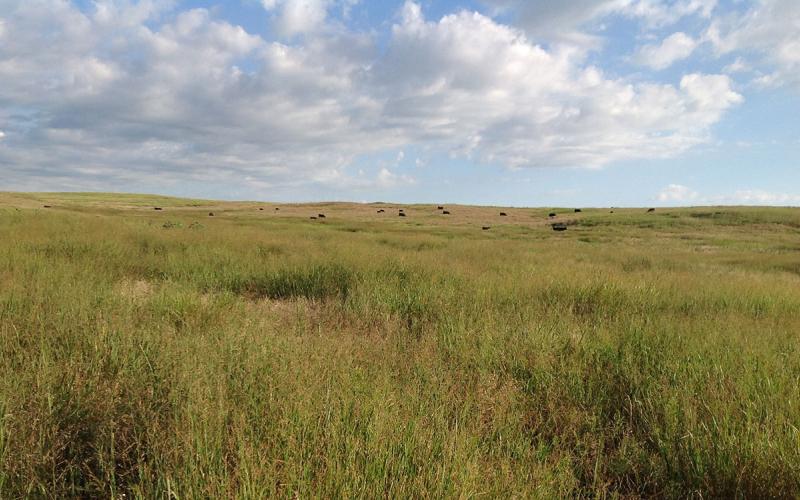
When To Graze and How Much To Graze
While every grazing management system is unique, there are a few similarities between systems when determining when to graze. Learn some of the factors to consider to avoid overgrazing.
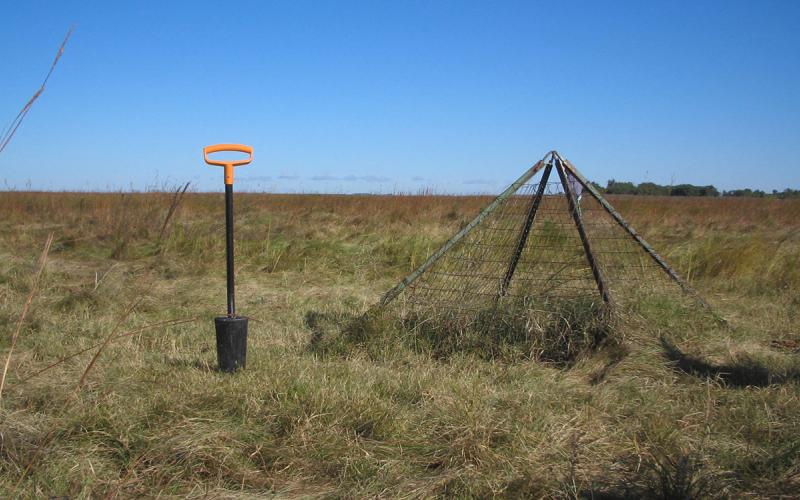
Monitoring Success
While periodic monitoring is necessary for continued success, a thorough evaluation in the first few months will tell you a lot about grazing levels, benefits to livestock and livestock-to-acre ratio.
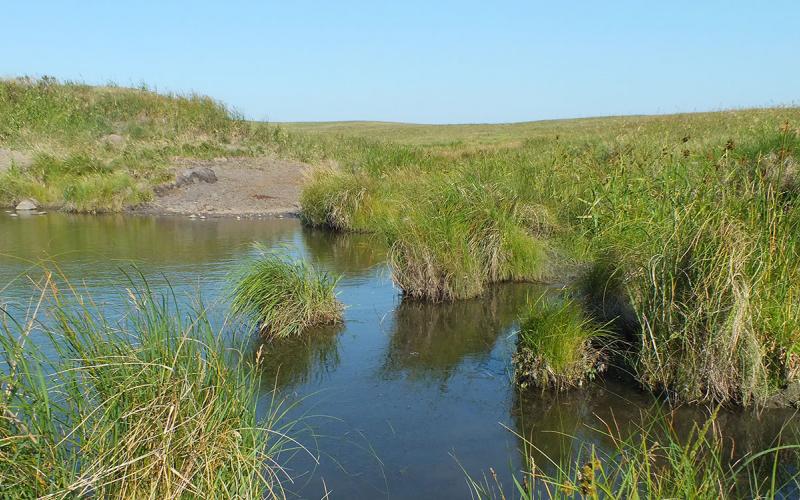
Managing Livestock Attractants Near Water
In the event that your pasture includes riparian areas, such as streams, rivers, lakes or ponds, you’ll want to take special care of these habitats. A riparian area is the space immediately adjacent to the shore, where water and land interact.
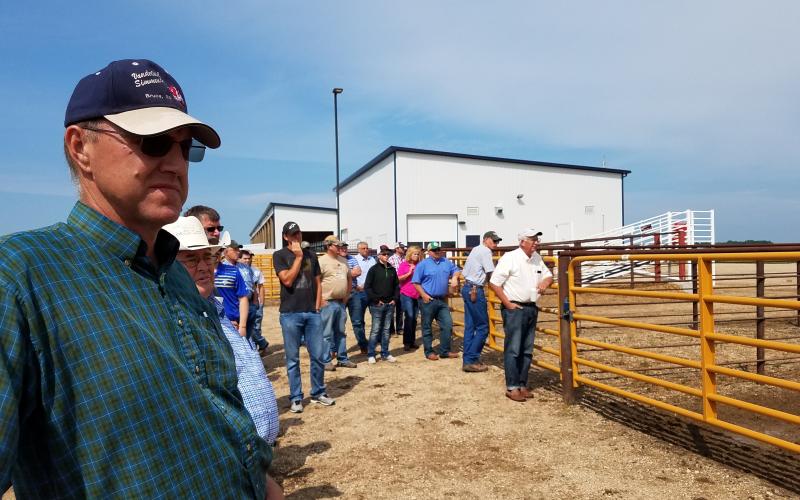
Registration Now Open for 2021 SDSU Extension Feedlot Shortcourse
June 21, 2021
The 2021 Feedlot Shortcourse returns to campus Aug. 11 and 12 and will be held at the SDSU Cow-Calf Education and Research Facility classroom, located at 2901 Western Ave. in Brookings