Content by Adam Varenhorst

West Nile Virus Update: July 29, 2026
As of July 30, 2026, the South Dakota Department of Health indicated that West Nile Virus positive mosquito pools have been detected in Brown, Codington, Hughes, Lincoln, and Minnehaha counties in South Dakota.

Aphid Populations Observed in South Dakota Corn Fields
During the last week, we have observed low level aphid populations in corn fields. Although aphid populations can reach high densities in corn, their presence doesn’t indicate guaranteed yield loss.
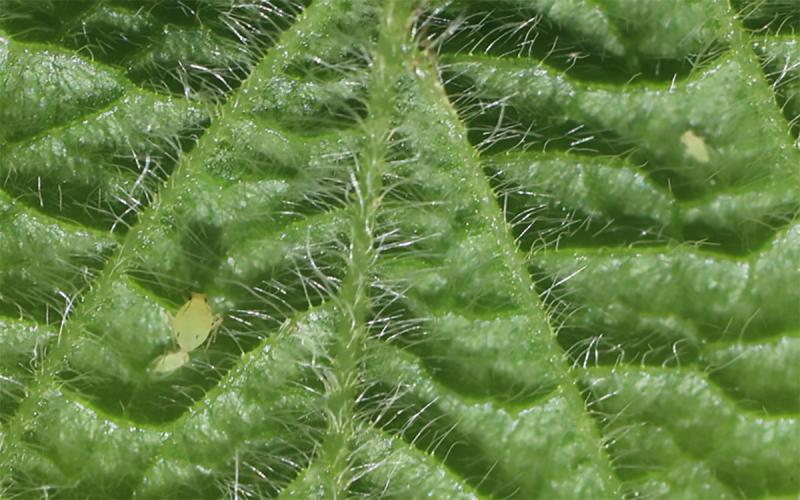
Soybean Aphid Populations Have Reached Economic Threshold
Based on recently scouting observations, the economic threshold for soybean aphids has been reached. Once thresholds are reached, fields should be reevaluated in 3 to 4 days to confirm the populations didn’t decrease, and if they persist or increase, they should be treated.

Alfalfa Weevil
Factsheet on Alfala Weevil identification, lifecycle, damage, scouting and management.

It’s Time To Scout for Soybean Aphids
While scouting soybeans last week, we observed small populations of soybean aphids. These populations suggest that the infestation was recent. In 2025, we observed similar small infestations that took a long time to increase.
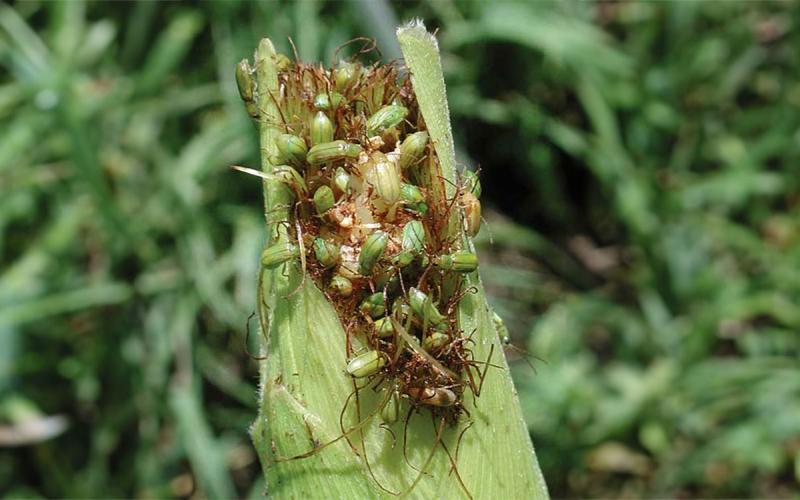
Monitor Your Corn for Corn Rootworm Adults to Inform Management for Next Year and to Avoid Substantial Silk Feeding
Corn rootworm adults are active across South Dakota, and as a reminder, it’s a good time to scout to determine if your fields have a rootworm issue.

Start Scouting Your Sunflower Fields for Red Sunflower Seed Weevil Presence
Red sunflower seed weevil adults have been detected in South Dakota. Current recommendations for management in both confection and oilseed sunflower is to begin treatment when the majority of the field has reached the R5.4 growth stage, but applications done between R5.1 and R5.4 can still provide yield protection.

To Avoid Loss of Viable Seeds This Year, Keep an Eye Out for Banded Sunflower Moths in Sunflower
Banded sunflower moths are active in South Dakota, which means it is time to start scouting sunflowers for their eggs. The caterpillars of banded sunflower moths are capable of reducing yields and oil content by feeding on the developing florets and tunneling into developing seeds.

Straw Itch Mites
Factsheet on the lifecycle, identification, human impact, veterinary significance and management of straw itch mites.
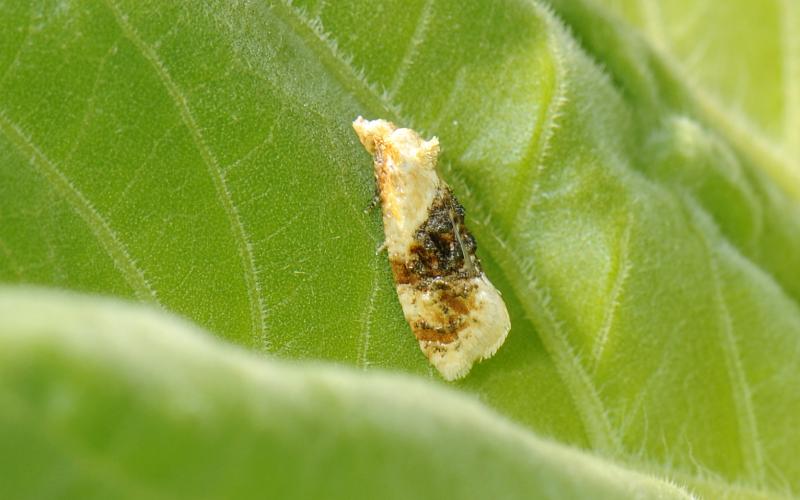
Banded Sunflower Moth
Factsheet on the identification, lifecycle, scouting and economic impact of the Banded Sunflower Moth.