Content by Adam Varenhorst
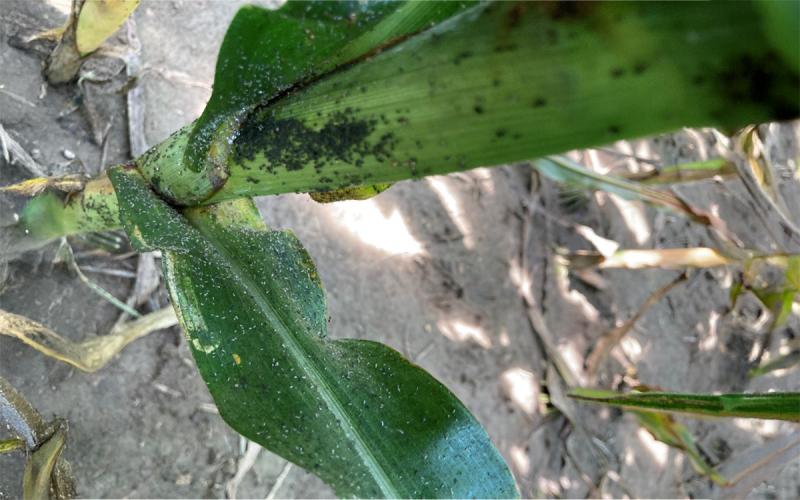
Aphids Infesting Corn in South Dakota
Aphid populations are taking off in some southeastern South Dakota corn fields. The two aphid species that are commonly observed in corn include the corn leaf aphid and the bird cherry oat aphid.
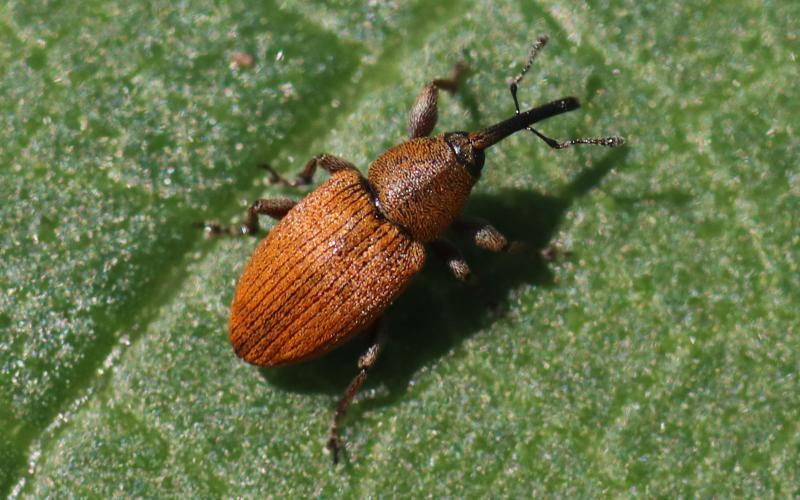
Is it Time to Spray Red Sunflower Seed Weevils?
Red sunflower seed weevil adult activity is well underway on sunflowers in South Dakota. Even though the red sunflower seed weevil numbers are down, we are still observing populations in South Dakota that are above threshold.
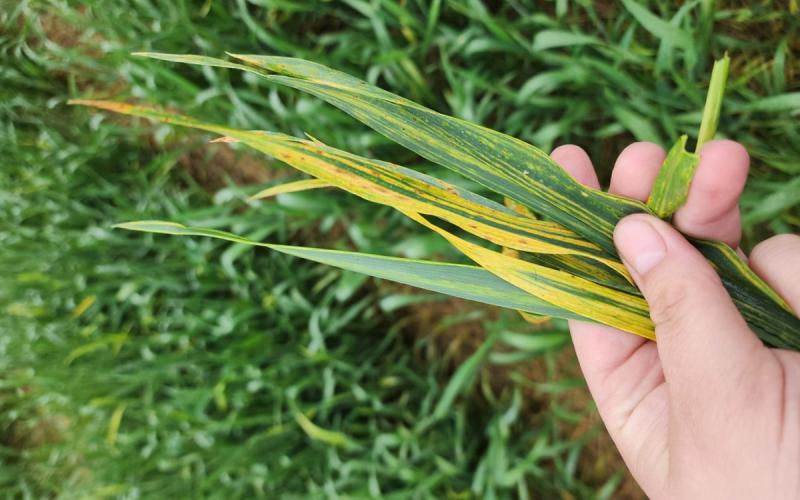
Wheat Streak Mosaic Virus Complex: Breaking the Green Bridge
As wheat harvest proceeds, it won’t be long until winter wheat planting is underway in South Dakota. To effectively reduce wheat streak mosaic virus, it is important to manage the green bridge effect to slow spread of disease in newly emerging wheat fields.

Volunteer Wheat and Kochia Management With Herbicides Will Likely Require Two Passes
Wheat curl mites, which carry wheat streak mosaic virus, use volunteer wheat and grass weeds as secondary hosts to infest recently planted winter wheat crops. Therefore, effective management of these plants before winter wheat planting is critical.
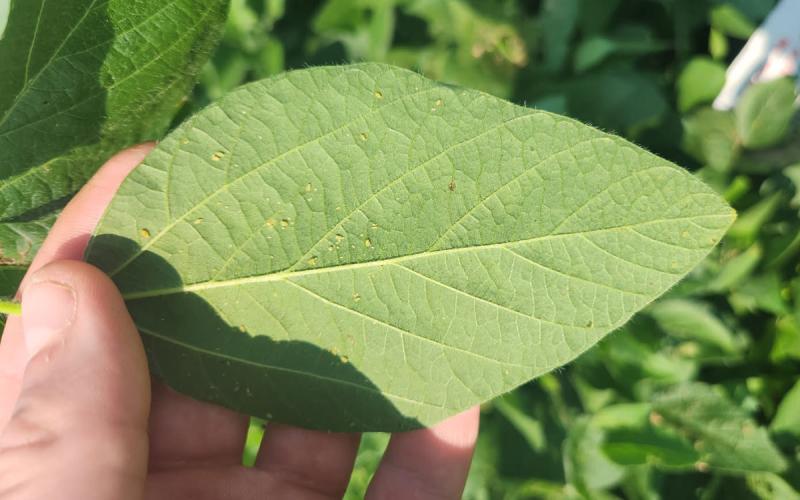
Soybean Aphids Exceeding Thresholds in Some Parts of South Dakota
There have been a few fields this week that were infested with soybean aphids that are getting closer to threshold. We have also received reports of insecticides being applied to manage soybean aphids in South Dakota.
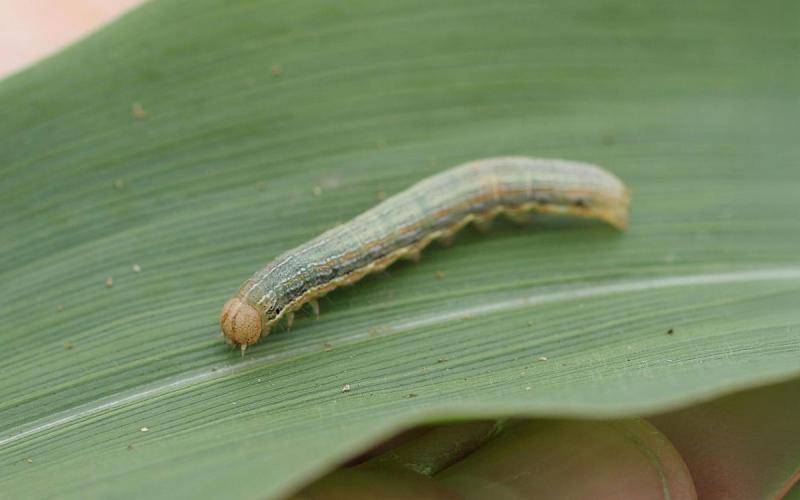
Reports of Pyrethroid Failures for True Armyworm Caterpillar Management
True armyworm caterpillars reached thresholds in oats and wheat in many areas of South Dakota recently. Management efforts to reduce populations had varying levels of success, with SDSU Extension receiving numerous reports of pyrethroid insecticide failures.
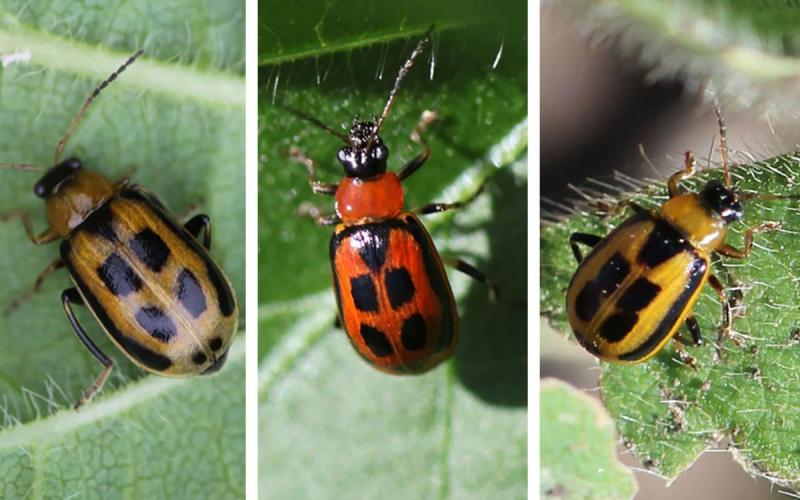
Bean Leaf Beetles Showing Up in Soybean
Despite the prediction of low overwintering survival we have observed bean leaf beetles in soybean this week. See our latest observations and management recommendations.
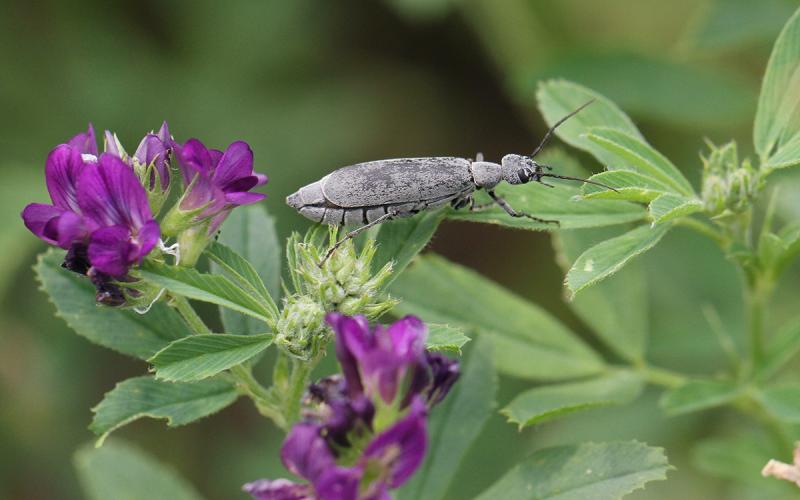
Watch for Blister Beetles in Later Alfalfa Cuttings
The frequent rain events experienced this summer has helped boost forage production. Although this is great for growers, the possibility of encountering blister beetles at harvest increases later in the summer.

Update on Chlorpyrifos Use in South Dakota
As of June 30, 2025, the labeled uses for chlorpyrifos products for food and feed are limited to alfalfa, soybean, and wheat in South Dakota. Chlorpyrifos can no longer be used to treat sunflowers.
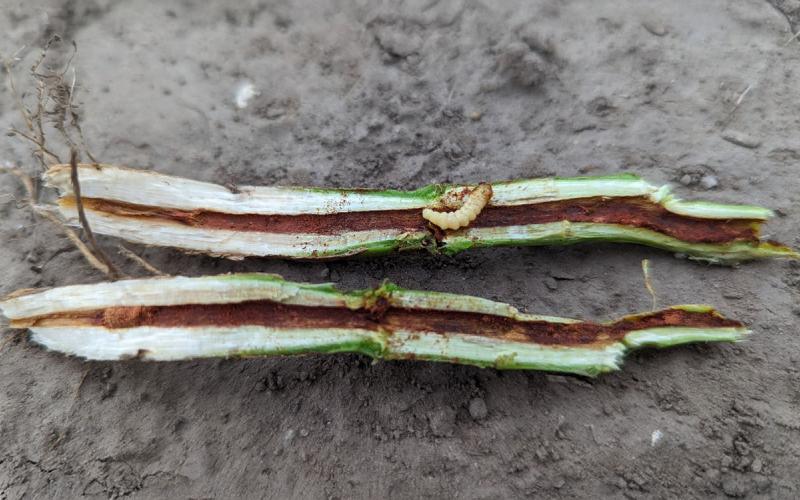
Dectes Stem Borer Adults Detected in South Dakota Soybean
Dectes stem borer adults have been collected from soybean in Southeastern South Dakota this week. As a reminder, the larvae of insect pest are capable of reducing soybean yields from 0-17% due to its feeding activity inside of the main stem.