Content by Adam Varenhorst
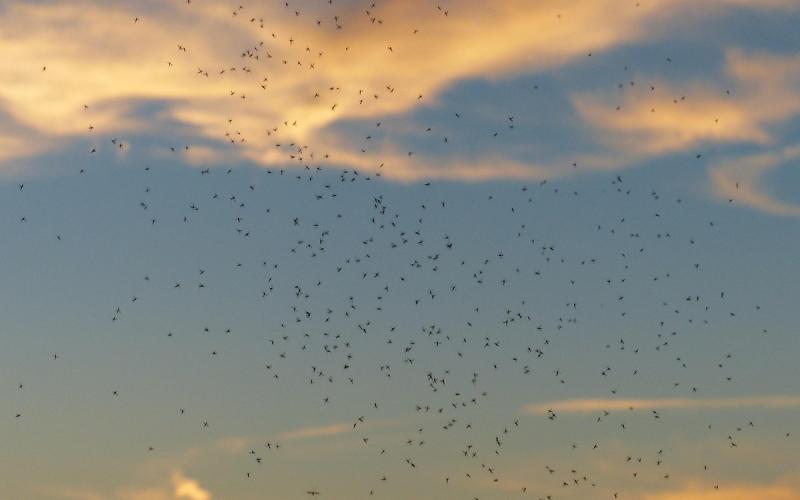
West Nile Virus Update: October 16, 2025
As of October 16, 2025, the South Dakota Department of Health reported 86 human cases of West Nile virus from Aurora, Beadle, Bon Homme, Brookings, Brown, Charles Mix, Clay, Codington, Corson, Douglas, Grant, Gregory, Haakon, Hamlin, Hand, Hughes, Hutchison, Hyde, Lawrence, Lincoln, Marshall, Meade, Miner, Minnehaha, Pennington, Roberts, Sanborn, Spink, Stanley, Todd, Union, Walworth, and Yankton counties.
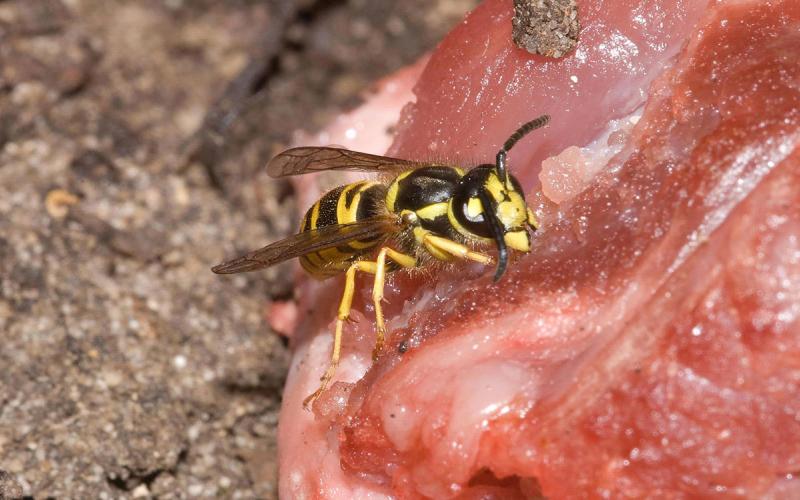
Yellowjackets: Swarming decaying produce or garbage near you
Fall is here, and if you have a garden, fruit trees, or outdoor dumpsters, you are likely to encounter yellowjackets in search of food. Learn some expert tips to avoid getting stung this fall.
West Nile Virus Update: September 26, 2025
As of September 26, 2025, the South Dakota Department of Health (SD DOH) reported 74 human cases of West Nile Virus from Aurora, Beadle, Bon Homme, Brookings, Brown, Charles Mix, Clay, Codington, Corson, Douglas, Grant, Gregory, Haakon, Hamlin, Hand, Hughes, Hutchison, Hyde, Lawrence, Lincoln, Marshall, Meade, Miner, Minnehaha, Pennington, Roberts, Sanborn, Spink, Stanley, Union, Walworth, and Yankton counties.
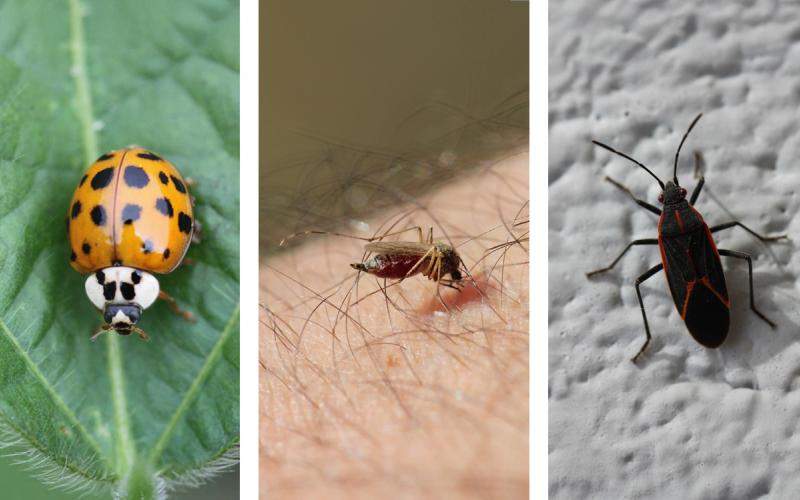
Insects Are Being a Nuisance This Fall
The weather is changing, and many of us are noticing an uptick in the nuisance bites caused by several insects. The continued warm weather is going to increase the activity of all insects, including the ones that are causing us displeasure.
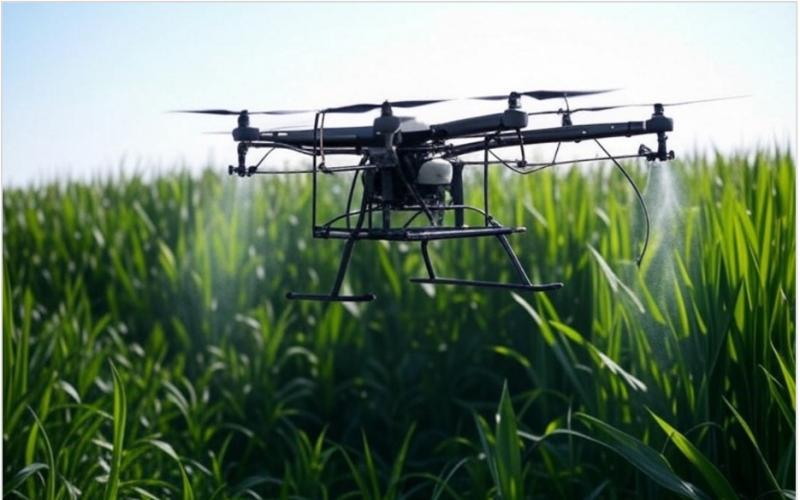
Required Licensing For Applying Pesticide Using Spray Drones
Fact sheet for South Dakota stakeholders wanting to get certified to apply pesticides with a spray drone.
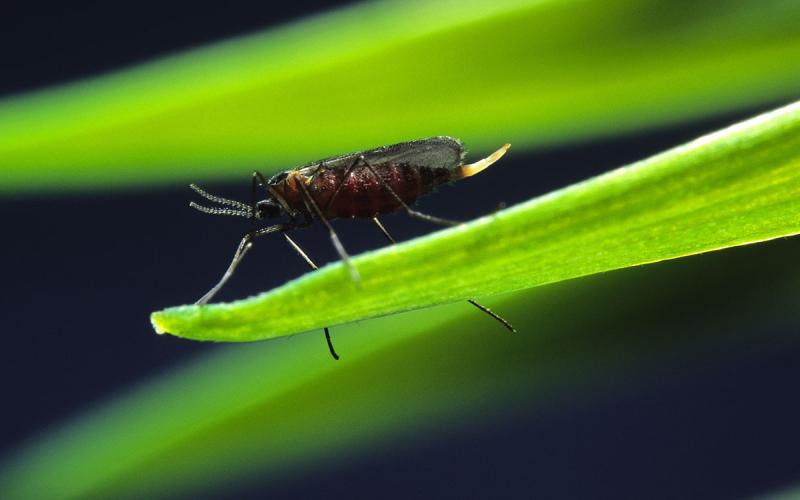
Hessian Fly: Winter Wheat Planting Date Considerations
As winter wheat planting rapidly approaches, there are many factors that should be considered. One of those factors is choosing a planting date to avoid Hessian fly issues. Learn some expert tips for selecting a safe planting date for your region.
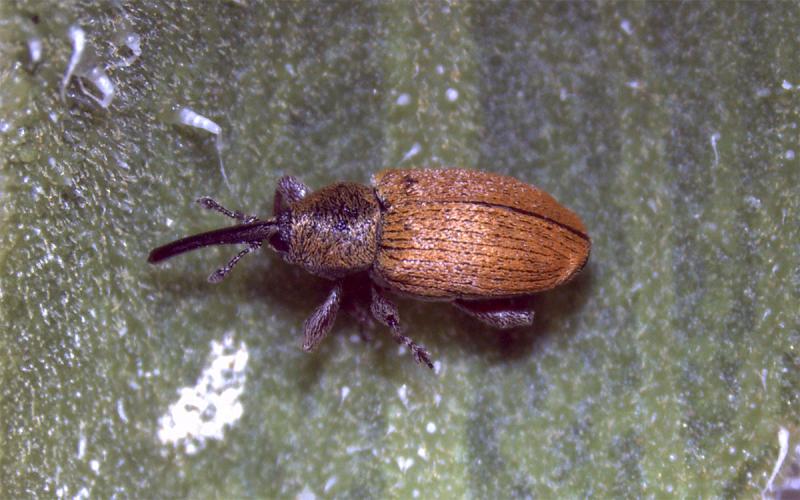
Did Malathion Effectively Manage Your Red Sunflower Seed Weevils?
Now that the August 31 deadline for the application of products containing malathion for red sunflower seed weevil management has passed, it is time to determine if the product was effective. South Dakota State University entomologists have received varying reports on this topic.
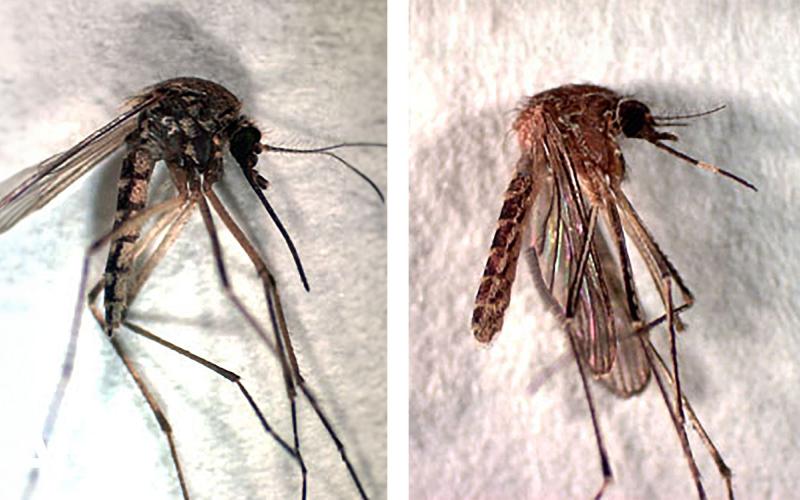
Mosquitos to Watch for in South Dakota
After many areas in South Dakota experienced heavy rainfalls, mosquitos are now a major issue. Learn which species are most common throughout the state and which carry the highest risk for West Nile Virus.
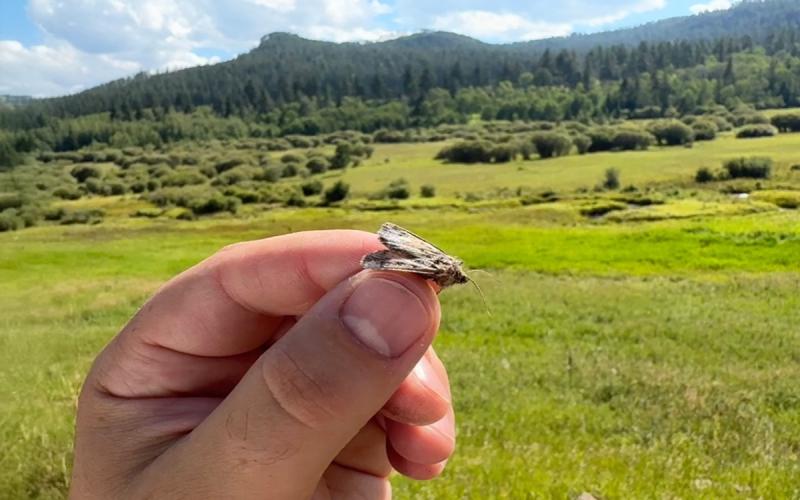
Army Cutworm Migration Swarms Detected in Western South Dakota
Mass populations of army cutworm moths are being reported to entomologists at South Dakota State University. Thus far, these migratory swarms have only been observed in far western South Dakota, particularly within the Black Hills.
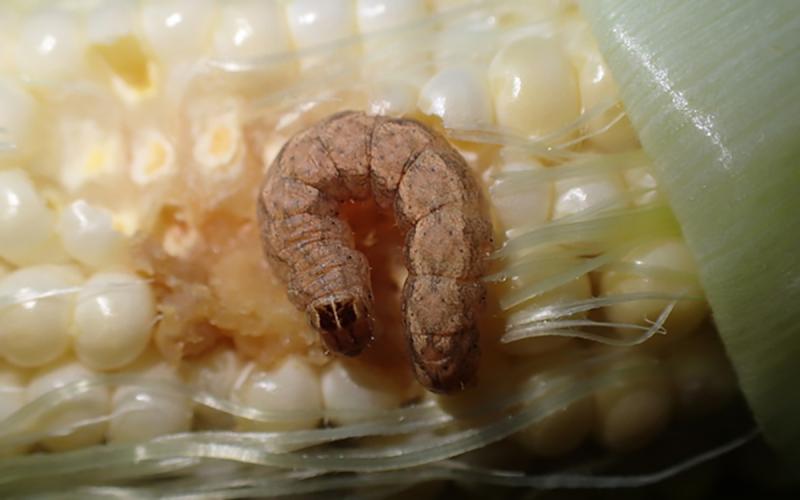
Western Bean Cutworms Detected in South Dakota Corn
Western bean cutworm caterpillars have been reported in South Dakota corn. This pest can cause yield loss by feeding on the tassels, silks, and ears. In addition, ear feeding activities increase the likelihood of secondary diseases and mold growth on the ear.