Content by Adam Varenhorst
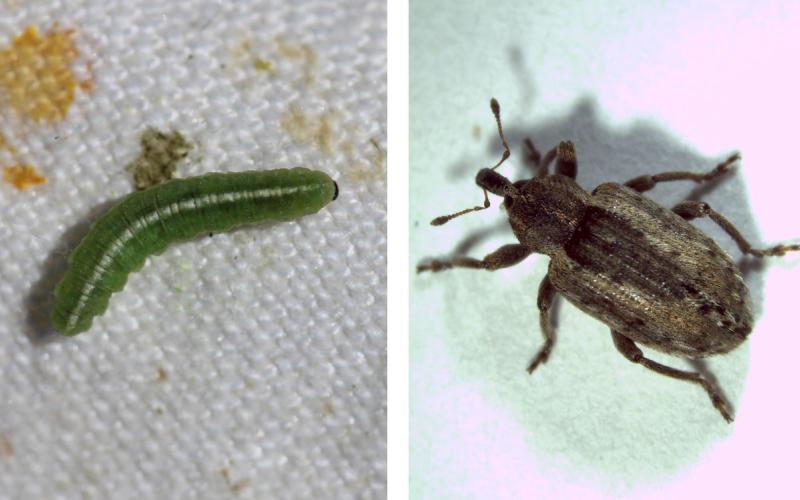
Alfalfa Weevils Are Active in South Dakota
Alfalfa weevil larvae are active across South Dakota. Although they had a somewhat slower start this year, we are now observing all instars of the larvae in alfalfa fields.
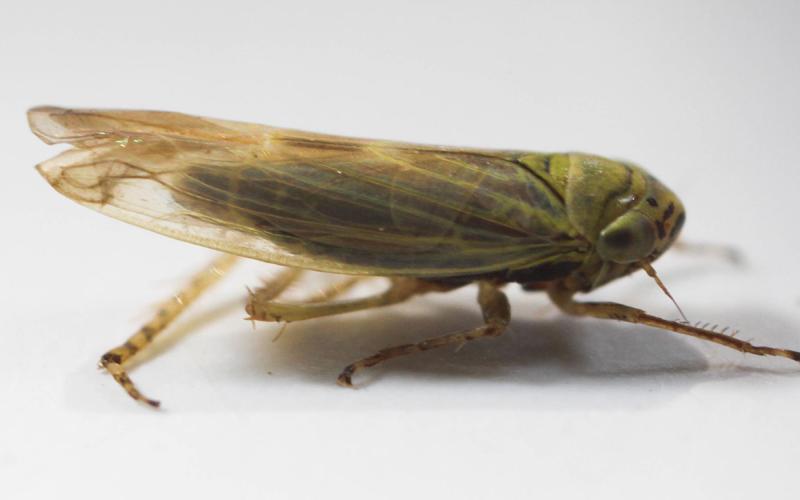
Aster Leafhoppers Detected in South Dakota Wheat
Aster leafhoppers are present in wheat again this spring. For the last few years, aster leafhoppers have been a common occurrence in South Dakota wheat.
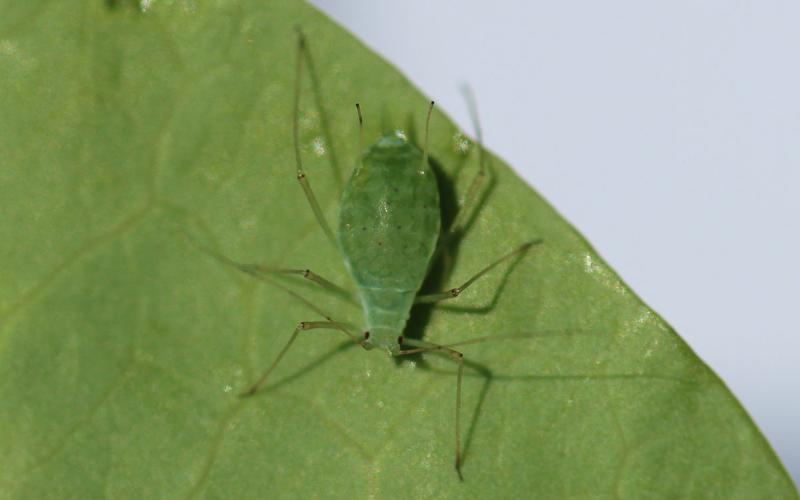
Large Pea Aphids Detected in South Dakota Alfalfa
Pea aphids are a common pest of alfalfa in South Dakota, and large populations have been detected again in 2026. When large populations are present, their feeding can cause the alfalfa fields to take on a “golden” color.
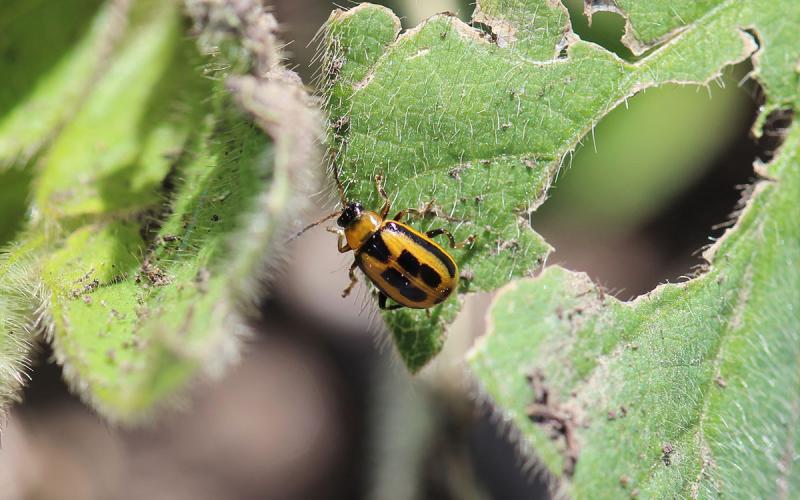
South Dakota Overwintering Bean Leaf Beetle Predicted Mortality: 2025-2026
Each year we evaluate the overwintering success of bean leaf beetles in South Dakota. For adult bean leaf beetles that successfully overwintered, emergence will begin in the spring and they will move into soybean fields.

Agronomic Considerations During Drought
Despite technological advances, weather factors still play a major role in crop production, especially during dry times. Making smart agronomic decisions can prevent a drought situation from getting worse.
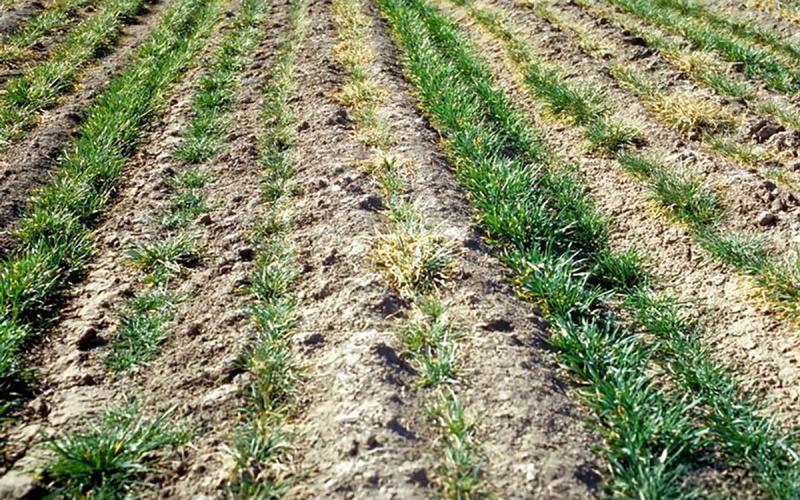
Brown Wheat Mites Detected in South Dakota Wheat
Brown wheat mite infestations have been detected in South Dakota wheat. Typically, infestations are more commonly observed in fields experiencing drought stress, which is currently most of the state

Army Cutworms Causing Issues in South Dakota Wheat
Army cutworm caterpillars are active in South Dakota wheat fields. This activity is only going to increase with the forecasted temperatures.
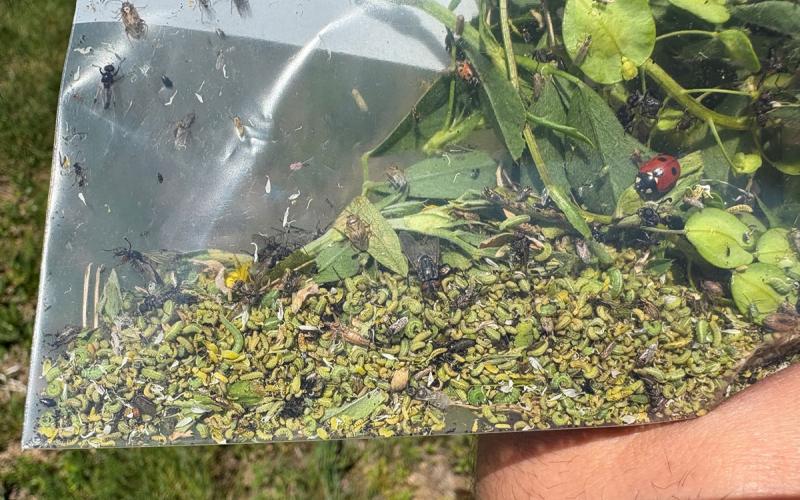
Have you observed chemical management failure for alfalfa weevils?
SDSU Extension entomologists are currently looking for alfalfa fields with a past alfalfa weevil insecticide failures. We are collaborating with North Dakota State University and the University of Minnesota on project to determine if pyrethroid resistance exists in our respective states.

South Dakota Grasshopper Prediction for 2026
Almost every year in South Dakota there is a risk that grasshopper populations will reach levels capable of causing issues for producers. Unfortunately, our prediction for the 2026 growing season won’t change the trend.
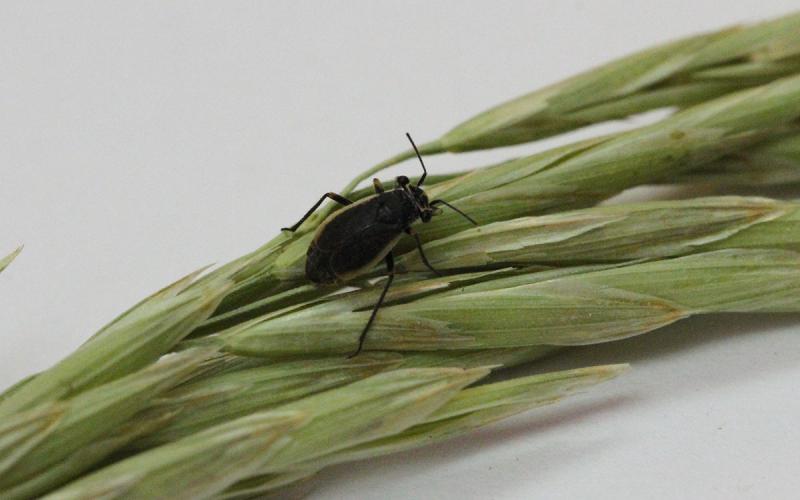
Drought Conditions Magnifying Impact of Black Grass Bugs
Black grass bugs are a common early-season pest of forage grasses. Drought conditions exacerbate their impact by stressing plants and reducing their ability to tolerate and recover from feeding injury.