Vegetable
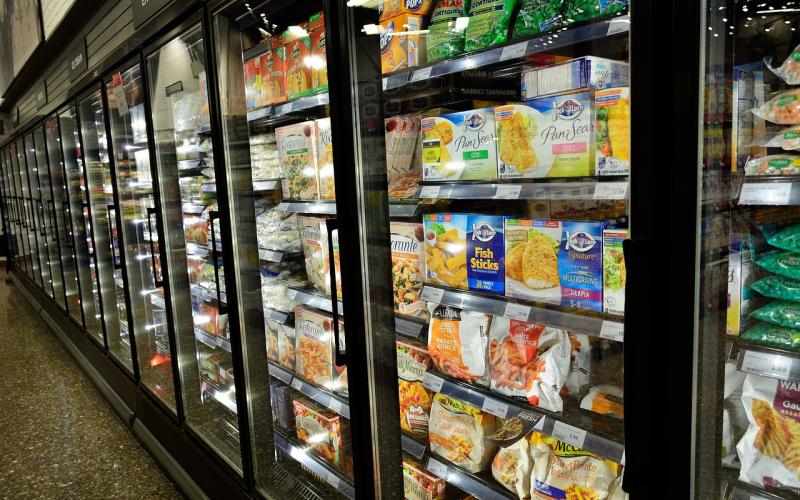
Fresh May Not Always Be Best
To have a healthy diet all year long, consider all options (fresh, frozen, and canned) when it comes to eating fruits and vegetables.
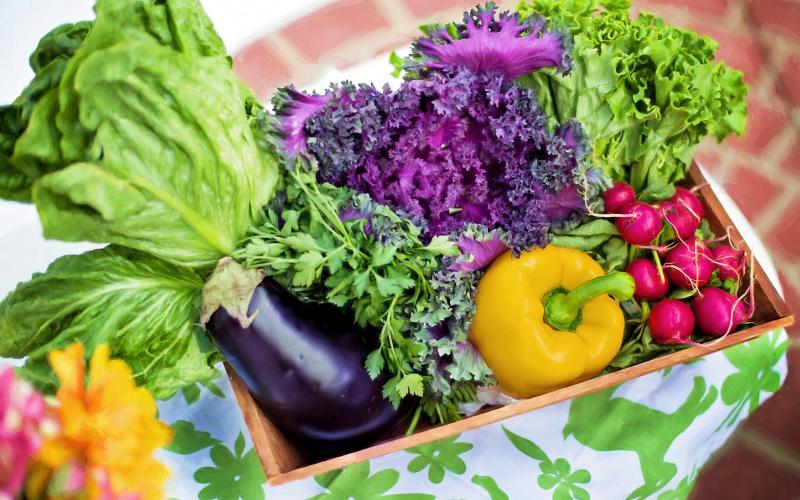
Family Fun With Gardening
Gardening is a fun way to incorporate physical activity into your day, and is a great way to connect kids to where their food comes from!

2023 On-Farm Experiences Growing Cucurbits in Newly Established Clover Living Mulch in Eastern South Dakota
Research report determining the impact of two established clover species on weed suppression, crop growth, and yield of squash.
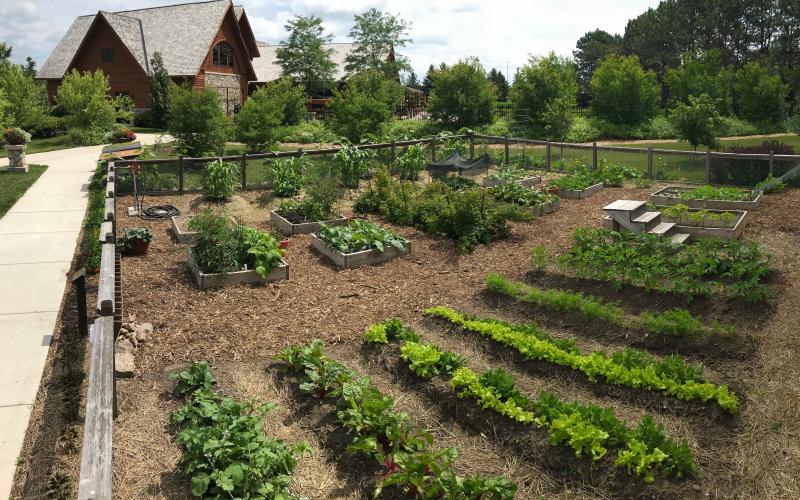
SDSU Extension 2024 Garden Hour webinar series starts May 7
May 02, 2024
The fourth season of South Dakota State University Extension’s popular Garden Hour webinar series starts May 7, 2024.
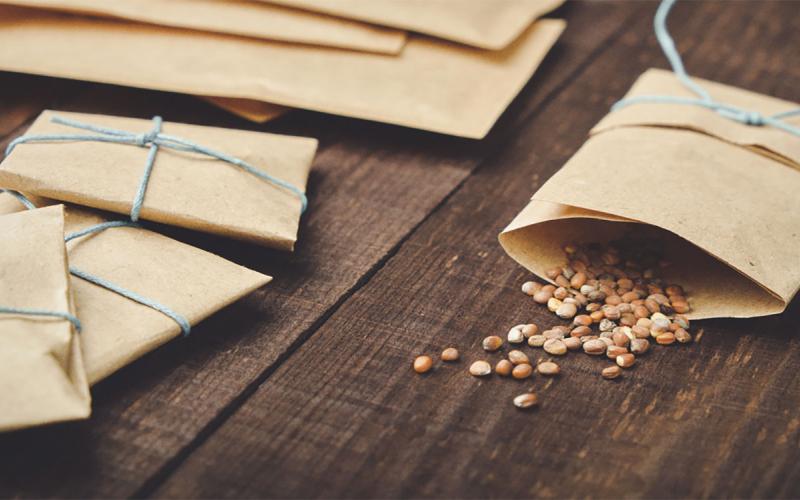
How to Store Leftover Garden Seeds
Curious about how long your leftover garden seeds will last? View some expert tips for storing a variety of seeds to keep them viable for use in your garden for years to come!

Did the Deer Persevere? 2023 Evaluation of Clover Cover Crops as a Living Mulch for Pepper Production in Eastern South Dakota
Research report analyzing the relationship between four different clover species and four different soil management practices and their effects on pepper growth and yield as well as weed suppression.
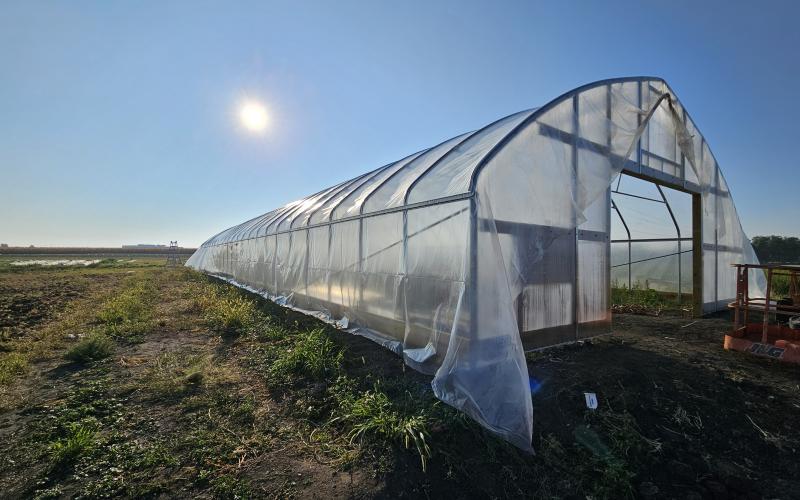
SDSU Extension hosts hands-on high tunnel build experience
April 23, 2024
South Dakota State University Extension is offering a four-day workshop, How to Build a High Tunnel, on May 7-8 and 14-15, 2024, from 9 a.m. to 4 p.m. each day. Registration is required, and space is limited.

Trials and Tribulations of Growing Squash and Cabbage in Living Mulch, Reduced Tillage Systems
Research on clover cover crops grown in combination with four tillage and weed suppression methods was conducted on organic transitional land at the SDSU Southeast Farm near Beresford, South Dakota in 2023.

Testing Dial Pressure Canner Gauges
For accuracy before use, it is recommended that dial gauges get tested each year. Gauges that read high cause under-processing and may result in unsafe food.

2023 Evaluation of Newly Established Clover Cover Crops as a Living Mulch for Sustainable Broccoli Production in Eastern South Dakota
Research report on observing the performance of three different clover species used in a broccoli production system.