Crop Management
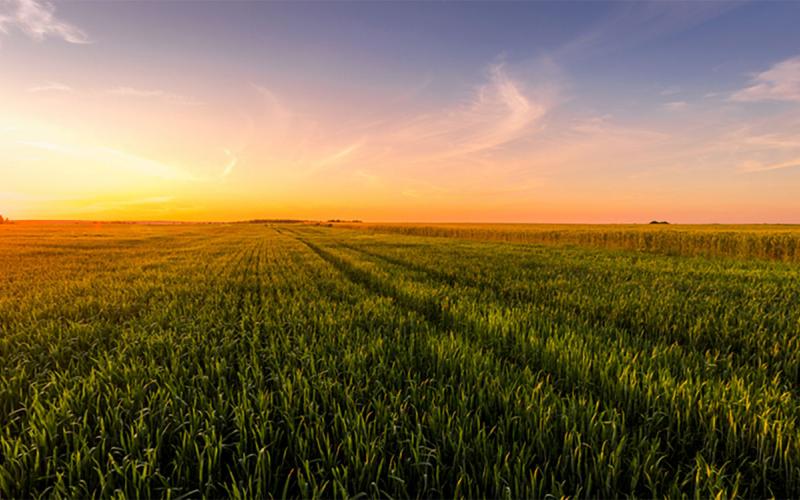
Crop Changes in South Dakota: 2017-2022
According to the recently released 2022 Census of Agriculture, crop variety has slightly increased in South Dakota over the past five years (2017-2022).
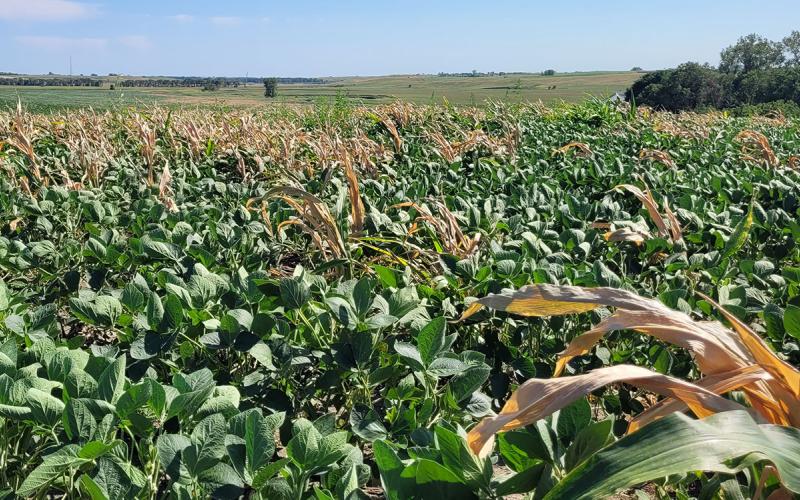
Stalk Grazing to Combat Volunteer Corn
Fall aftermath grazing by livestock, particularly cows, can dramatically reduce the amount of volunteer corn in the field. Learn some key benefits that stalk grazing can bring to your operation.
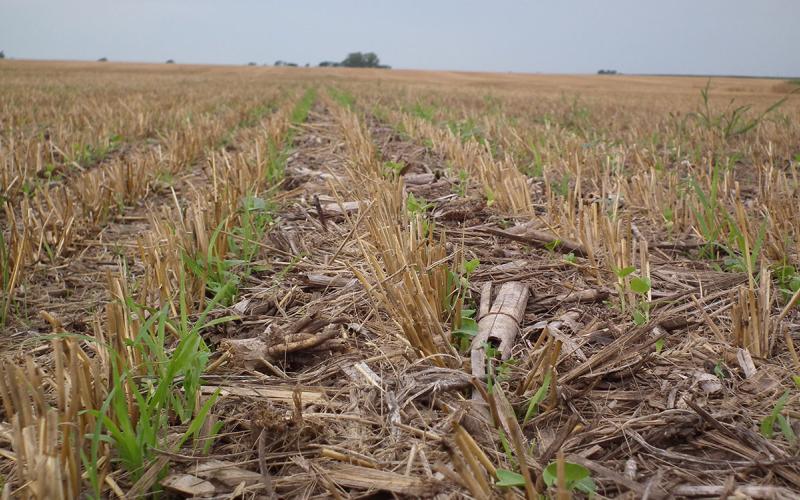
Soil Organic Matter Matters: How Conservation Practices Bring Value to Farmers
Conservation management practices, such as conservation tillage, cover crops, crop rotation and livestock integration, help improve soil health over time and offer producers numerous economic benefits.
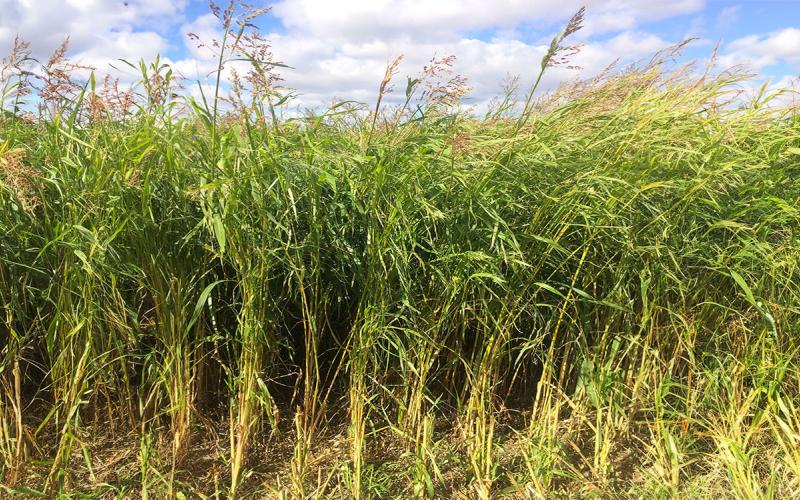
Your Cash Crop Flooded Out. What’s Plan B?
With significantly higher than normal precipitation in eastern South Dakota, many producers will soon be seeking a "Plan B" for their flooded-out row crops.
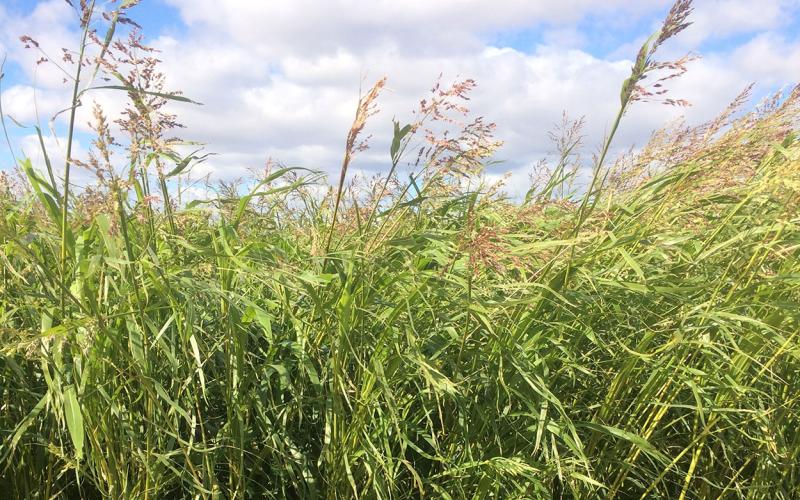
Using Annual Cover Crops and Forages in Lieu of Row Crops
Although there are many factors to take into consideration, annual forages and cover crops can be an excellent tool to mitigate challenging planting seasons.
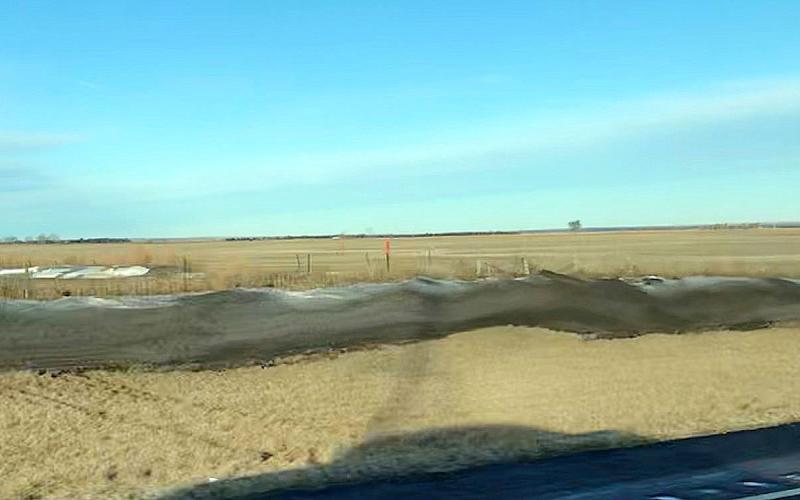
“Snirt” and How To Minimize It
Blowing soils, dust storms and “snirt” (snow with dirt on it) are frequent challenges during dry, windy winters. Learn some soil health principles to limit erosion and minimize snirt on field edges this planting season.
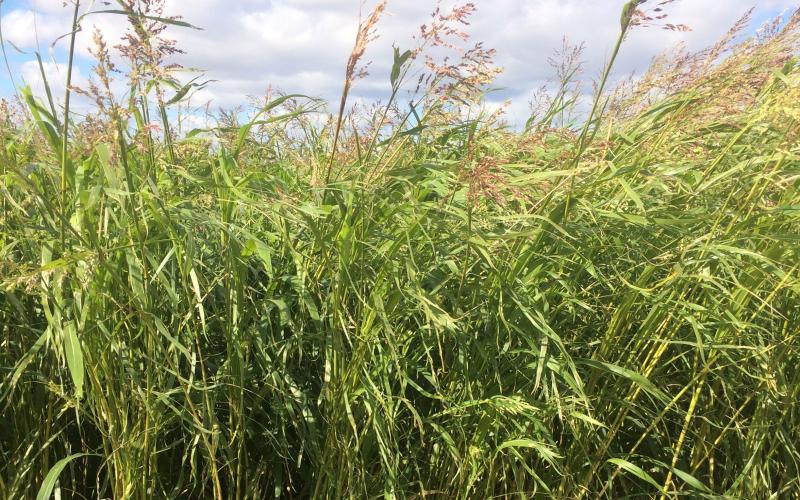
Cover Crops 2019: What to Plant When
As many Midwest producers look to cover crops to build soil health and provide supplemental forage after a soggy spring, many questions are arising regarding management decisions, specifically, species selection and planting timing.
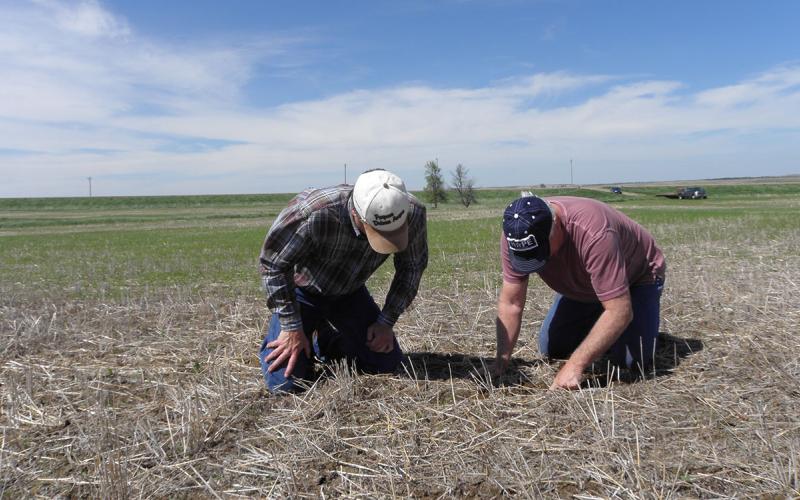
Managing Soil for Carbon Storage
Did you know that adopting soil health principles can lead to increased soil carbon concentrations? Learn about some recent studies in South Dakota that evaluated the potential of land management activities to increase soil carbon.
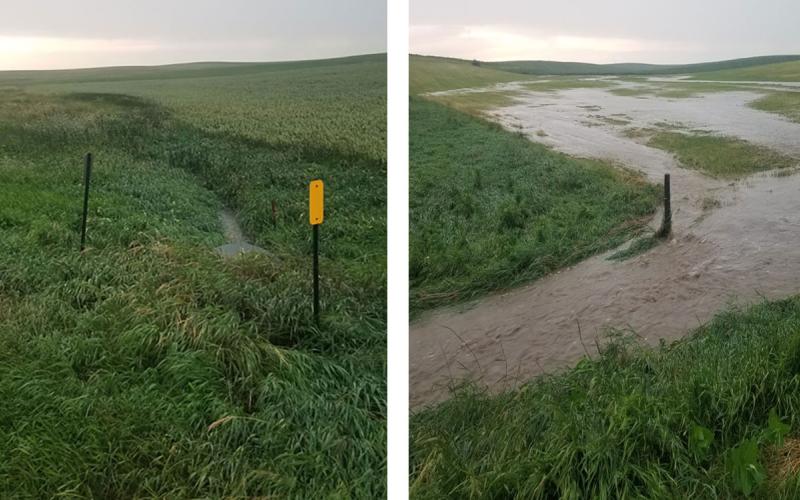
Tale of Two Watersheds
See the difference that cover crops and a no-till cropping system can have on watersheds when high winds and heavy rains impact our region. The difference in the amounts of run-off water is astounding!
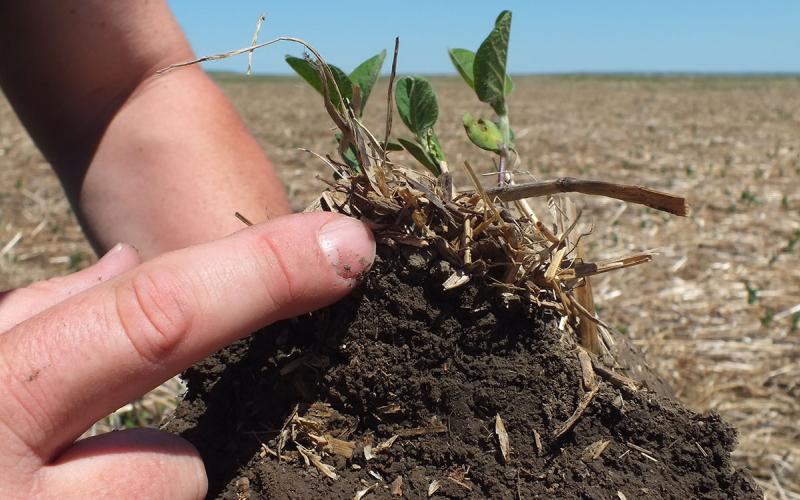
Biological Agronomy
Biological agronomy is an adaptive soil management system used to build soil microbiology through intensive regenerative practices that increase carbon and nutrient availability for profitable crop production.