Crop Management

Oat Variety Trial Results
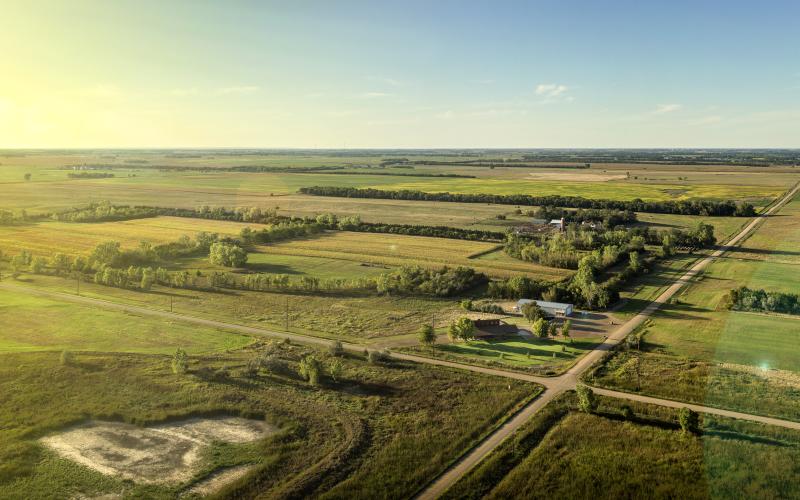
In 2026, oat variety trials were planted throughout various locations in South Dakota.
Crops
During the growing season, SDSU Extension provides weekly production recommendations.
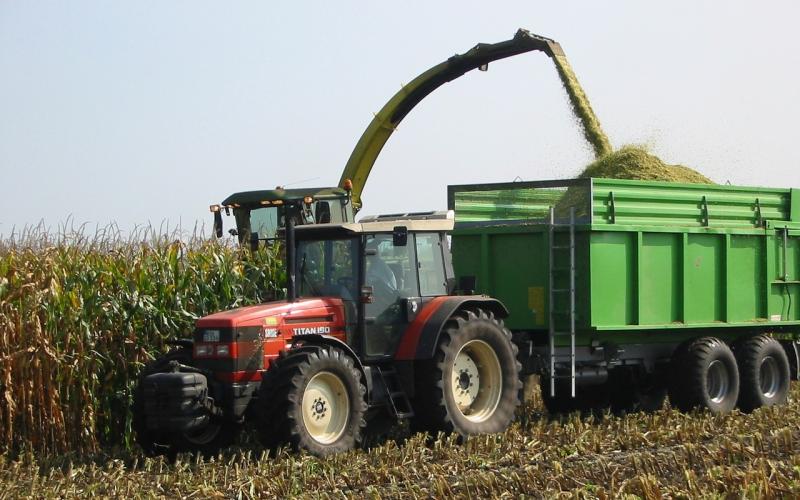
Herbicide Residual Effects on Cover Crops after Corn Silage
Fact sheet about herbicide residual effect on cover crops after corn silage.

Grazing Corn Stalks to Combat Volunteer Corn Following Drought Periods
The incidence of volunteer corn in subsequent crops tends to be greater following periods of drought. Utilizing livestock to graze corn residue following harvest is a strategic management practice to reduce volunteer corn in the following crop.

Cover Crop Economics: Costs, Benefits, and Cost‑Share Programs
Cover crops are gaining attention across South Dakota as more producers look for ways to improve soil health, manage risk, and strengthen long-term productivity. Research consistently shows that cover crops improve soil structure, increase water holding capacity, reduce erosion, and help buffer crop losses during drought or extreme weather.

Consider Skipping Fall Tillage and Leaving Crop Residue in the Field
Leaving crop residue in the field and reducing or eliminating fall tillage can help dramatically improve soil health. Over time, these practices can increase soil organic matter, improve water-holding capacity, enhance infiltration, and reduce water loss through evaporation.
Field Pea Variety Trial Results
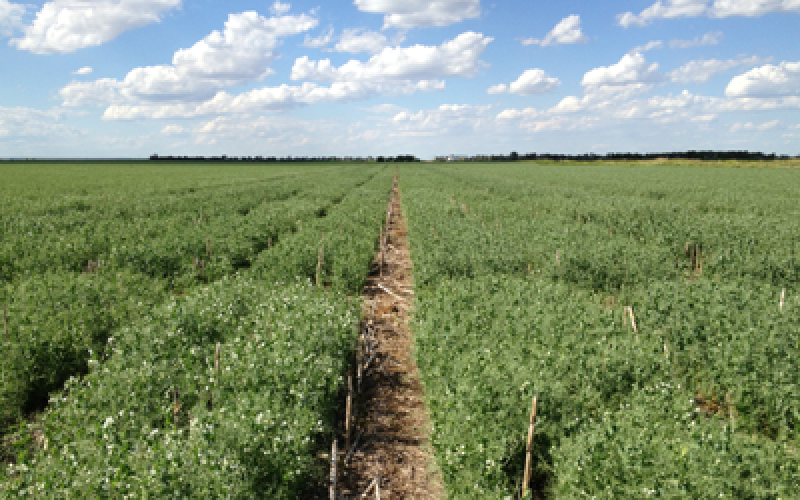
2026 field pea trial results data from different locations in South Dakota.
Winter Wheat and Nitrogen: Decisions for the 2027 Growing Season
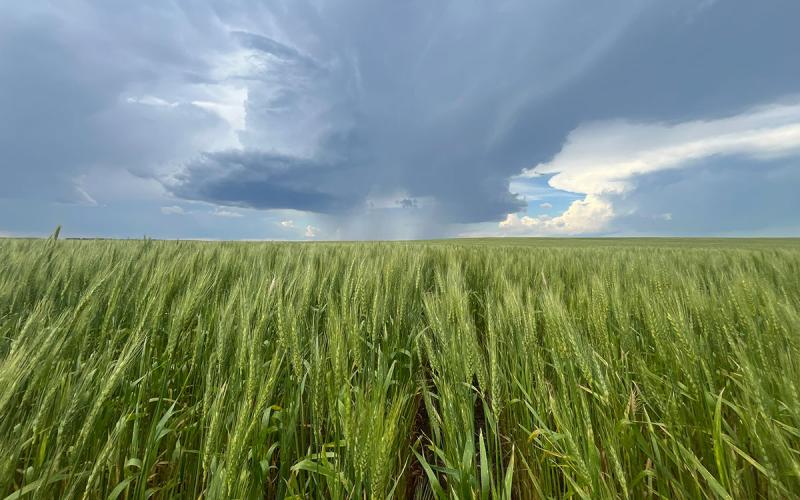
Producers cannot control fertilizer or grain markets, but they can control how efficiently nitrogen is used on their farms. Learn some key strategies and considerations for the 2027 growing season.
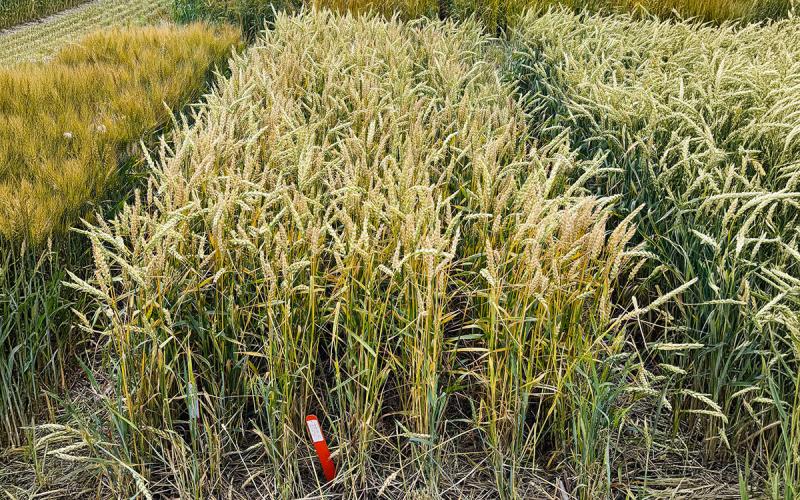
Utilizing Cool-Season Crops for Weed Management
For producers facing increasing challenges from herbicide-resistant Palmer amaranth or waterhemp, incorporating a cool-season crop can provide another tool for diversifying weed management.
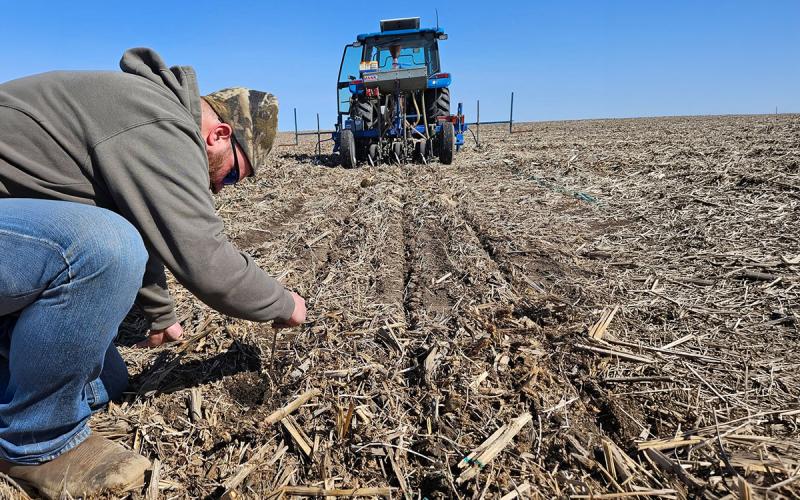
Does It Pay to Build Up Soil Phosphorus in High-pH Fields?
In high-pH soils, Phosphorus fertilizer can react with calcium already in the soil and form compounds that crops cannot easily use. It means that applied Phosphorus fertilizer can become “tied up” in the soil, leaving many farmers wondering whether the fertilizer they pay for is really working for them.