Beef Herd Health and Quality Assurance
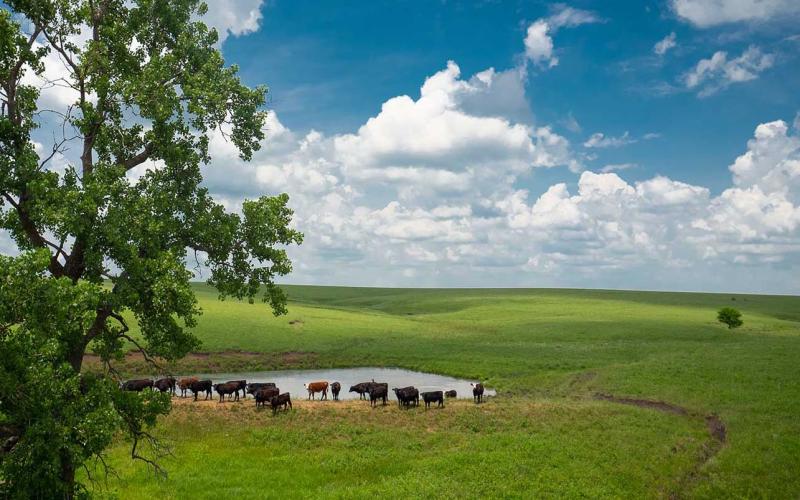
Livestock Water Testing
SDSU Extension offers on-site livestock water testing services at various locations across the state.

Considerations for Pasture and Herd Health in a Mixed-Precipitation Year
Planning for drought can quickly be replaced with a false sense of security when precipitation does arrive in the middle of the growing and grazing seasons, but the long-term sustainability of your pastures and herd depends on timely, flexible management.
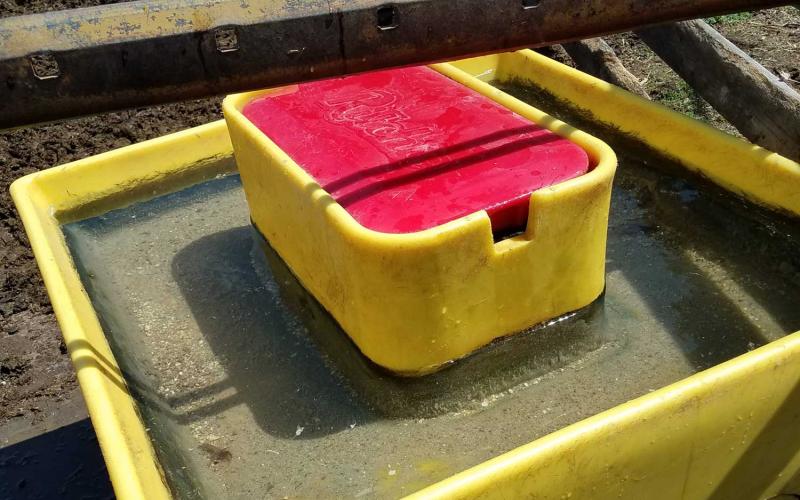
Water: The Unappreciated Nutrient
Water intake is strongly linked to feed intake, so any factors that cause cattle to drink less will lead to reduced feed intake and consequently reduced performance.
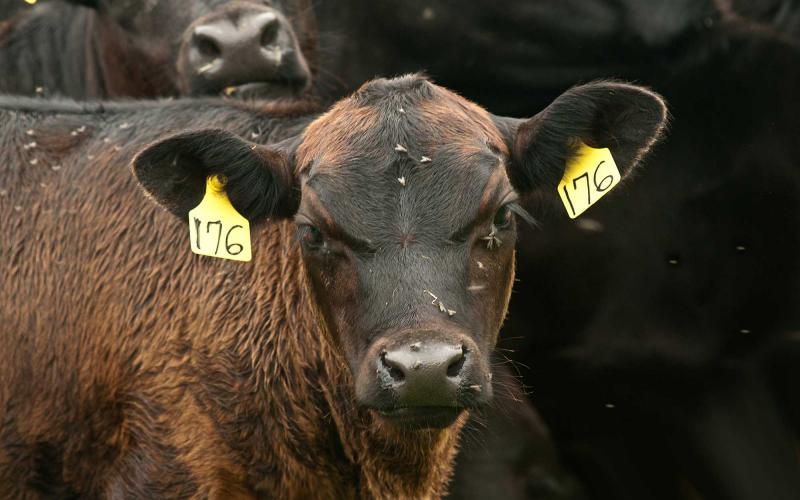
Summer Fly Control in Feedlots
Just as longer days mark the beginning of summer, so does the arrival of increased number of flies in feedlots. Flies are not only are an annoyance, they can reduce performance and worsen heat stress. Successful control strategies start with sanitation.
Heat Stress Forecasting Apps Available
Early summer heat stress in feedlot cattle is often triggered by rapid changes in temperature and humidity before cattle become acclimated to warmer conditions. Learn about some management tools that you can use to protect your herd.
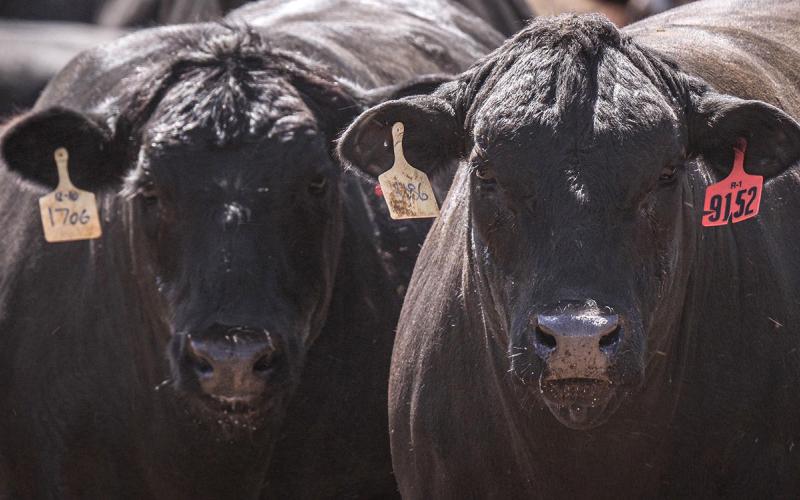
Heat Stress in Feedlot Cattle
High temperatures, humidity and low air movement create the perfect storm for heat stress in feedlots. Learn some expert tips for maintaining performance and reducing losses as we approach the hottest months of the year.
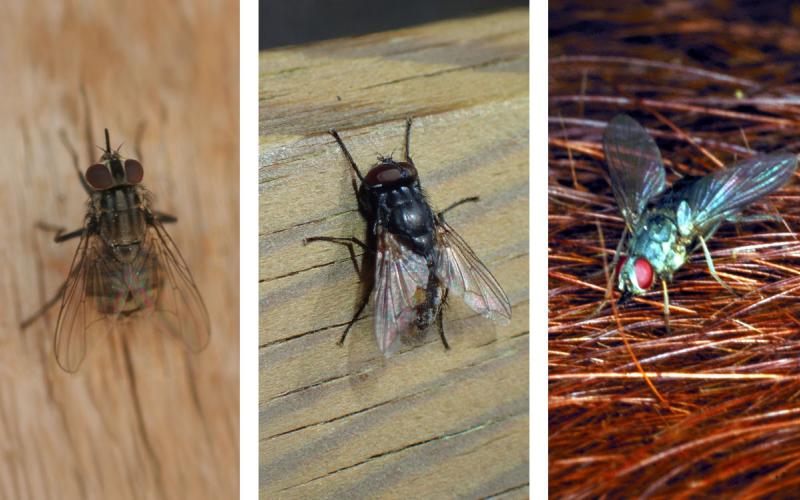
Fly Management for Cattle
There are several species of flies that can reduce the production value of livestock, particularly during hot, dry weather. To manage these pests, it’s important to be able to accurately identify them and understand their life cycles.
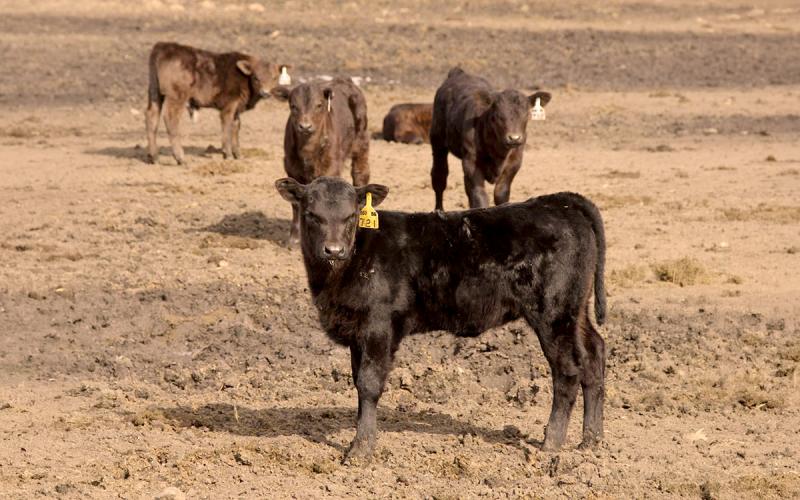
Vaccinating Early-Weaned Beef Calves
In most years, pre-weaning vaccinations are a task completed in early fall. However, in dry years, poor pasture conditions forcing producers to wean calves early may push up that timeline.
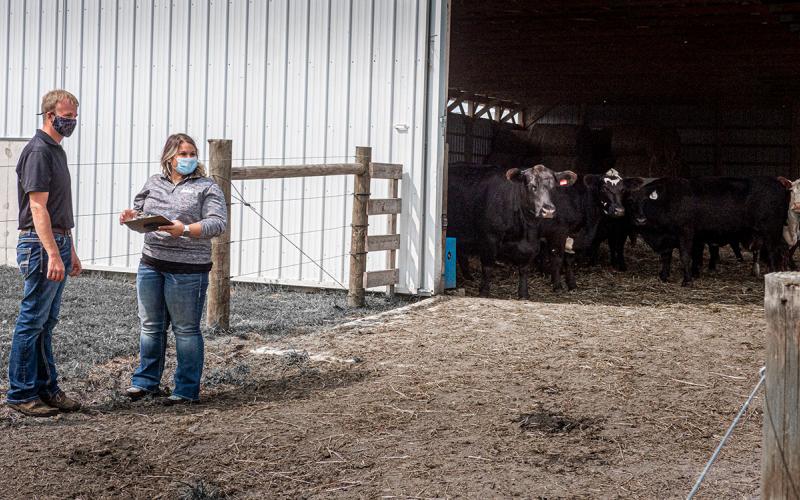
Biosecurity for Beef Cow-Calf Operations: Managing the Entry of New Animals
Infectious disease can impact cow-calf operations in dramatic ways. These steps should be considered the minimum standards for introducing new animals into cow-calf operations to avoid the spread of infectious disease.
Beef Quality Assurance
South Dakota producers have the option to receive beef quality assurance (BQA) certification.