Beef Herd Health and Quality Assurance

Drought-Stressed Forage: Nitrate Considerations
While drought-stressed forages can provide valuable feed, they may also carry an increased risk of nitrate accumulation. Producers should be aware of before grazing, harvesting, and feeding these forages.
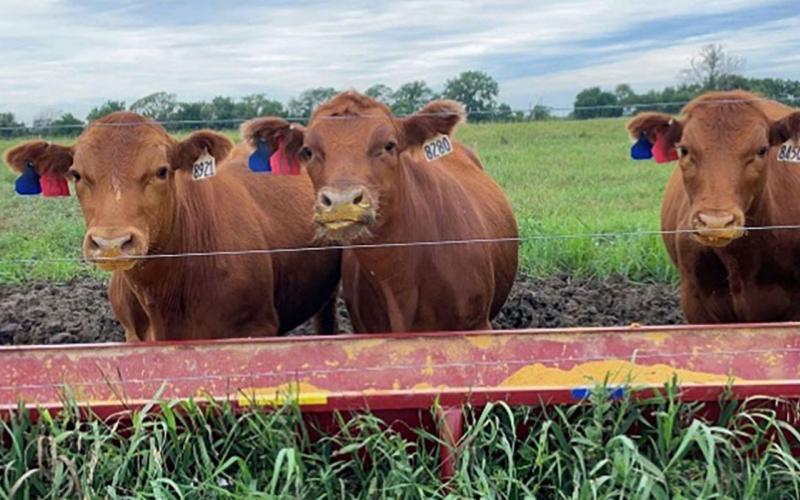
Animal Science Research and Extension Report
Research report from Animal Science Department covering a variety of areas in livestock production.
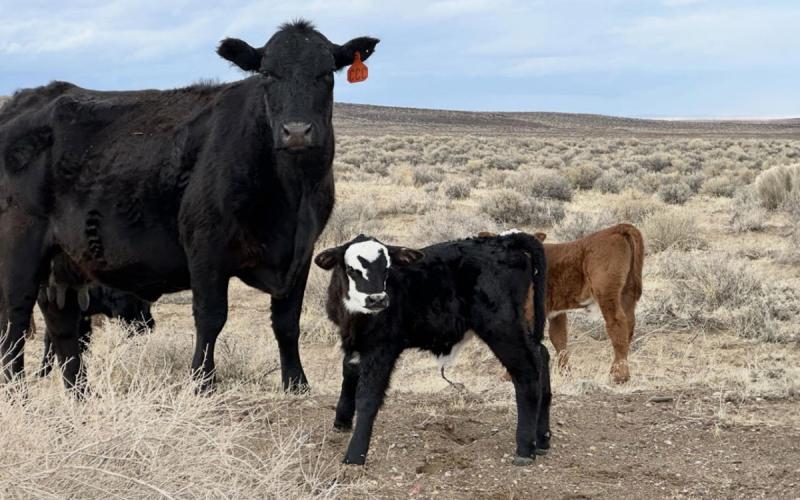
Managing the Cow Herd Through Drought
Drought remains one of the most persistent and difficult challenges facing cattle producers. Managing a cow herd under drought conditions requires balancing short-term survival with long-term productivity.
Breeding Season Preparation
Whether you are going to be using artificial insemination or turning out bulls for natural service, planning plays an essential role in a successful breeding season.
Biosecurity and the Secure Beef Supply Plan Cattle HQ Live
Join SDSU Extension's beef team to gain valuable insights to improve the health, productivity and profitability of your herd. This month, we will discuss the steps needed to prepare operations and how to set up biosecurity plans using the guidance of the SBS Plan in case of a major disease outbreak.
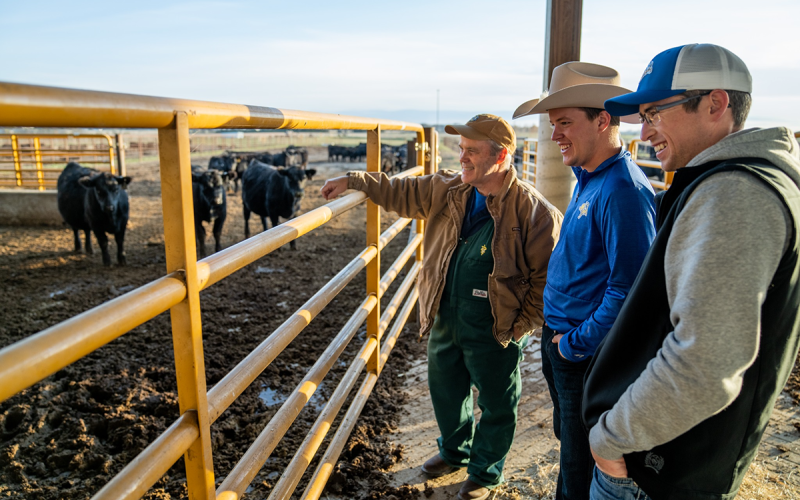
Health Considerations for Beef Heifers Transitioning to the Breeding Herd
The length and success of a heifer’s breeding career depends on preventing and managing their health challenges – starting well before they’re even identified as breeding herd candidates.
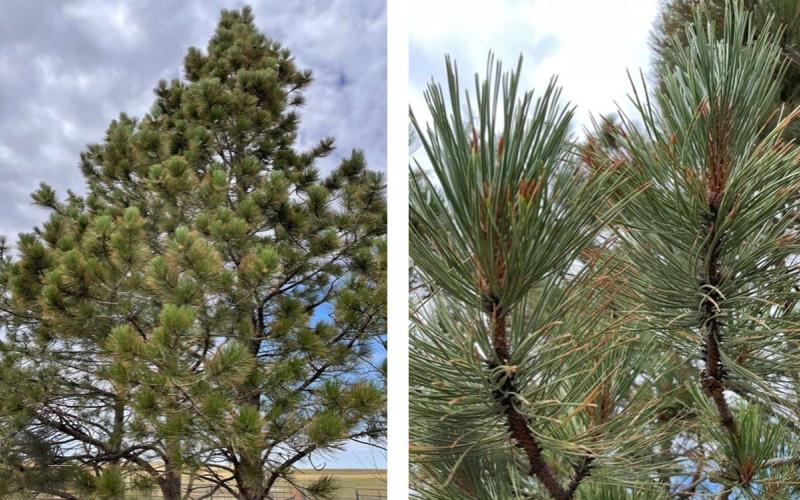
Pine Needles: Another Possible Threat to Beef Cow Pregnancies
For at least the past 50 years, consumption of Ponderosa Pine tree needles (and those from a few other pine tree species) by pregnant cattle has been recognized as a cause of abortions during the last trimester (three months) of gestation.
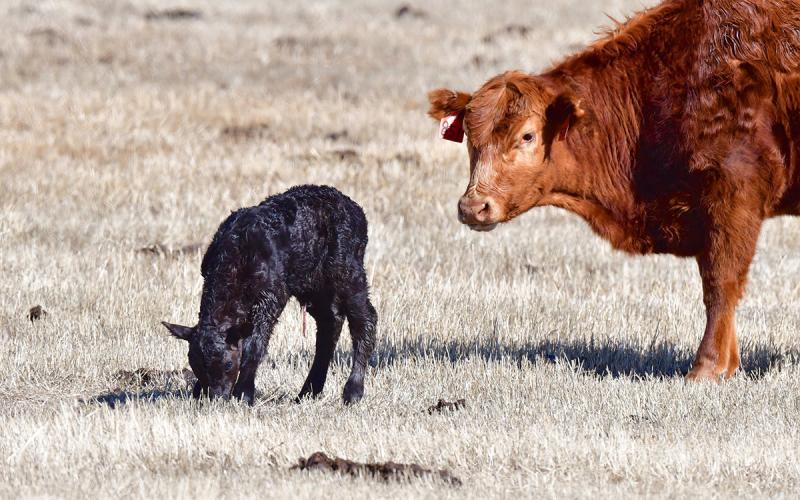
Preparing for the Calving Season
Calving season is a busy time of year as beef producers prepare themselves for less sleep each night, while spending more time observing cows close to calving. So, what can we do to make calving season less stressful for everyone involved?
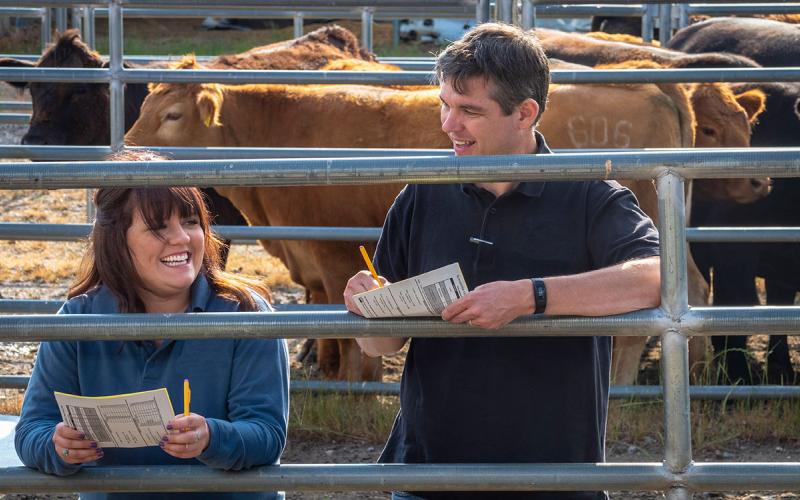
Certified South Dakota BQA Trainers
Certified South Dakota BQA Trainers may assist producers with completing voluntary on-farm assessments. View a list of certified trainers throughout the state to get started today!
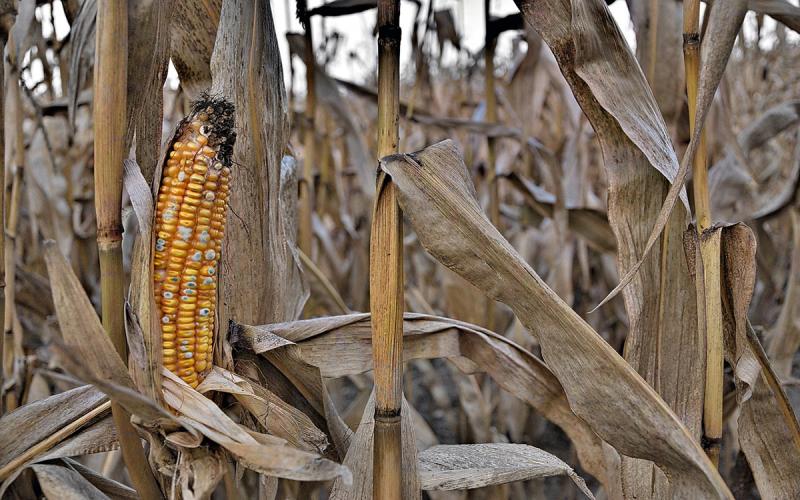
Mycotoxins: Should you be concerned?
Environmental stress caused by the weather or damaged crops increases the potential for mold and mycotoxin development. Learn some answers to common questions about mycotoxins and how to manage them.