Beef Herd Health and Quality Assurance
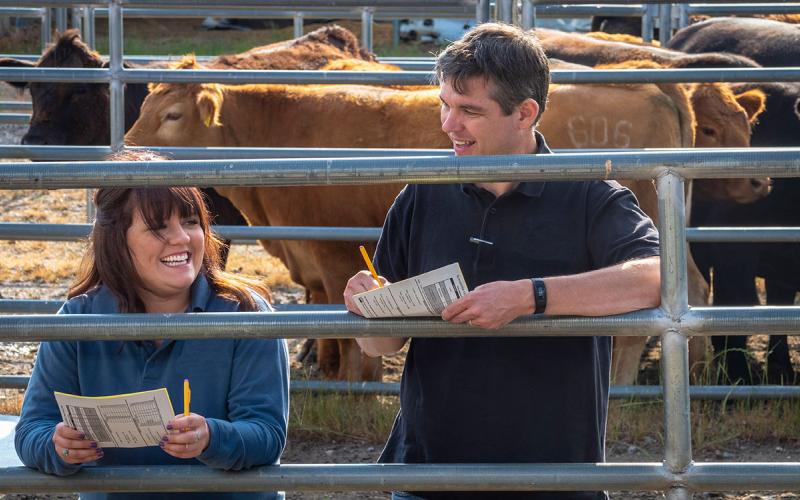
Certified South Dakota BQA Trainers
Certified South Dakota BQA Trainers may assist producers with completing voluntary on-farm assessments. View a list of certified trainers throughout the state to get started today!
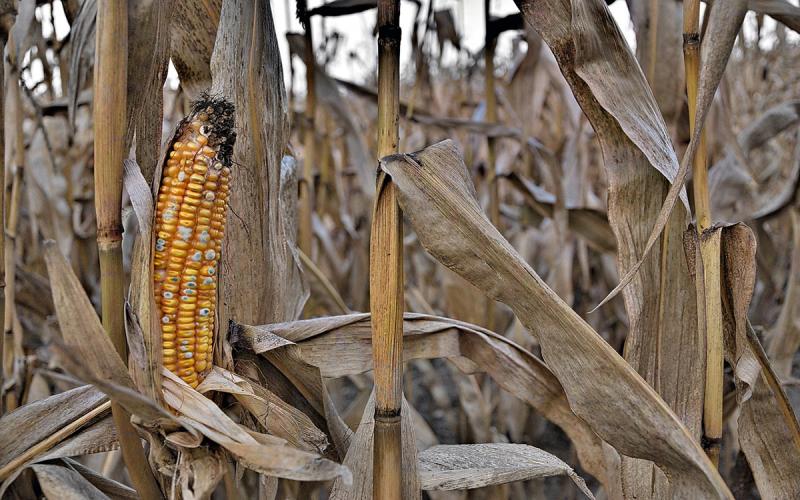
Mycotoxins: Should you be concerned?
Environmental stress caused by the weather or damaged crops increases the potential for mold and mycotoxin development. Learn some answers to common questions about mycotoxins and how to manage them.
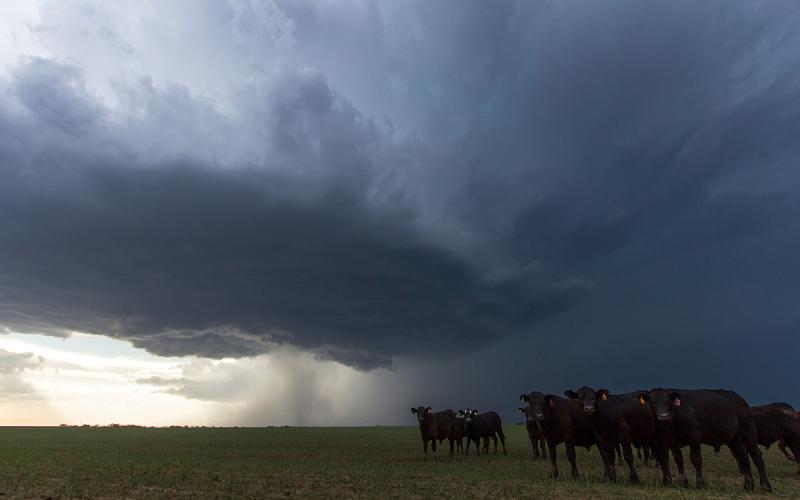
Hail and Bruising in Cattle
Bruising remains one of the leading causes of carcass trimming at harvest. While we can’t control the weather, proactive management can reduce performance losses and protect carcass quality.
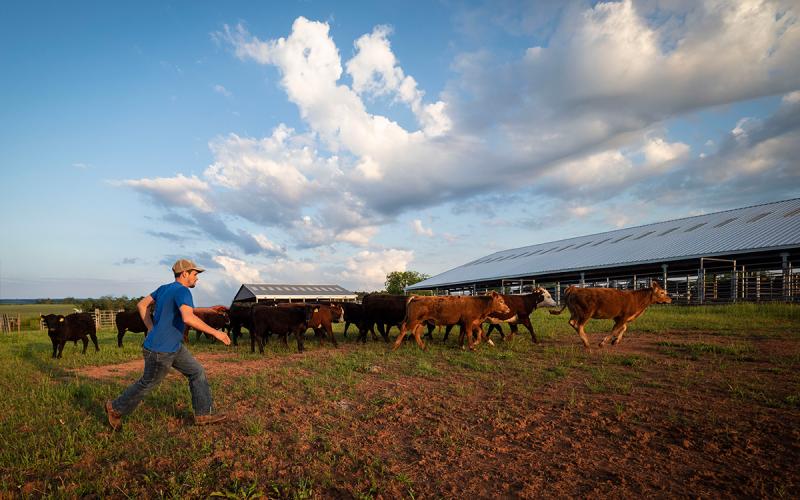
Preparing for the Fall Run
Having a plan in place for weaning and marketing will reduce stress for both your operation and your calves when the grazing season comes to an end and movement of calves begins.
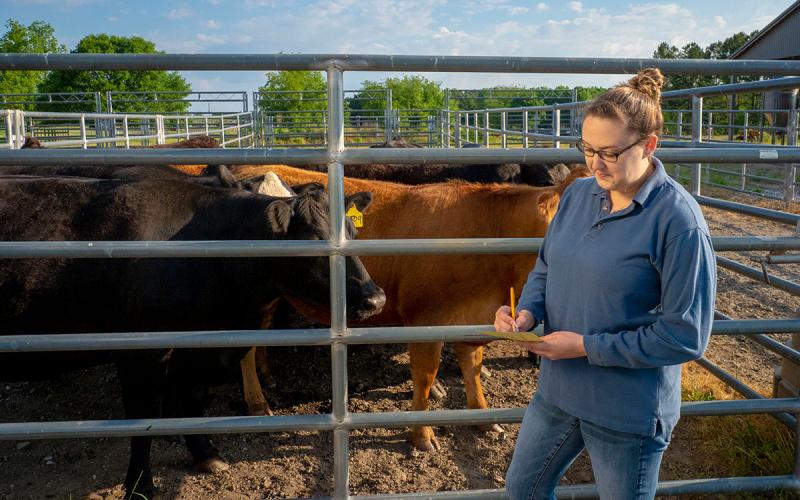
Receiving Management Matters
There are multiple factors that influence cattle help during transportation and receiving. Proper management during these events can avoid negative implications to health and performance.
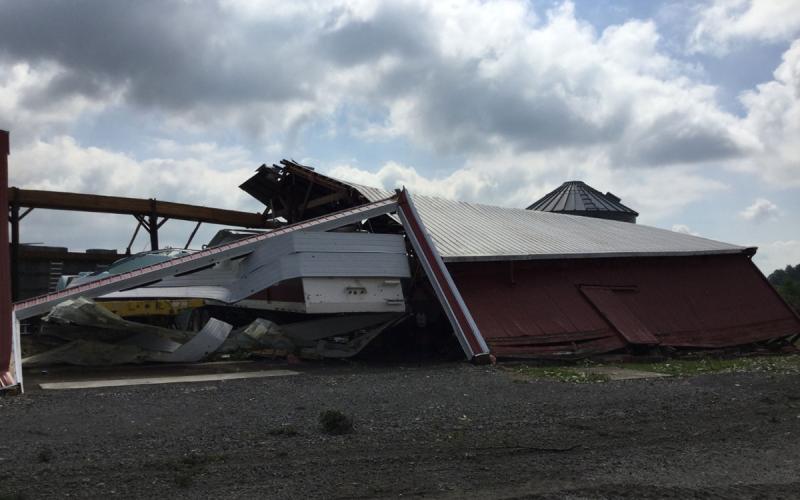
Tetanus: A Storm Aftermath Problem for Animals
Of all the challenges faced by animal caretakers in the wake of damaging storms, Tetanus is a potentially serious disease that might not appear for days or weeks later. Learn some expert tips for recognizing, treating and preventing it.
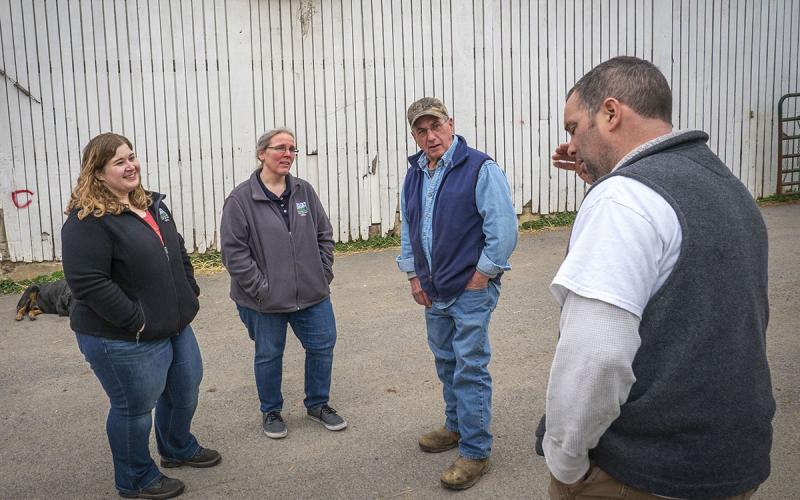
A Disaster-Ready Strategy for Cattle Operations
Cattle producers can minimize risk and maximize resilience. Having a written emergency action plan and routine exercise of the plan helps ensure animal welfare and business continuity.
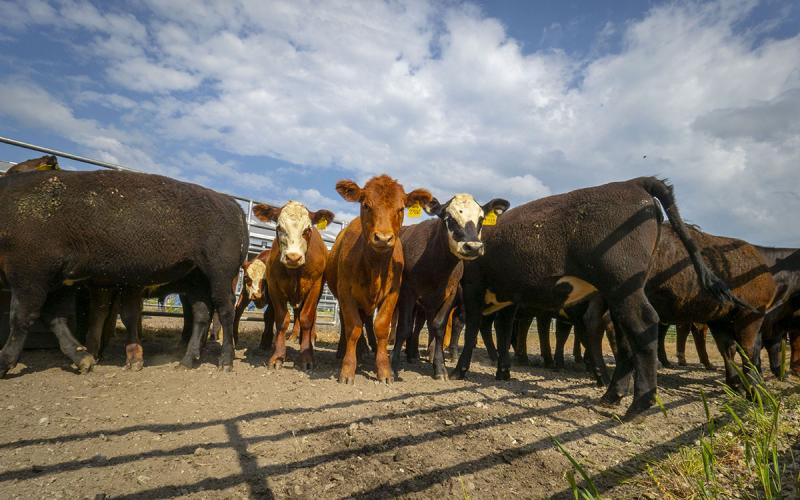
SDSU Extension Beef Team Members Receive Training for the Secure Beef Supply Plan
The Secure Beef Supply Plan provides cattle producers and industry partners with the resources needed for business continuity in case foot and mouth disease infects the United States livestock industry.
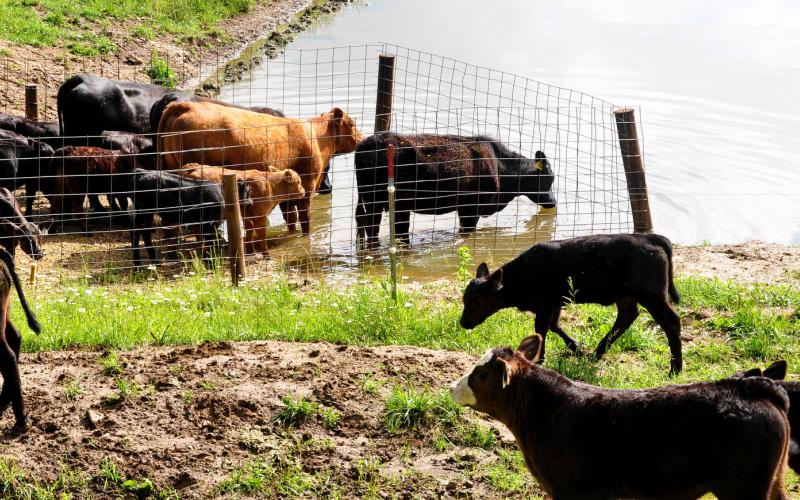
Low-Stress Weaning
Low-stress weaning methods, such as fenceline weaning and two-step weaning, can reduce calf stress and potentially improve health and performance.
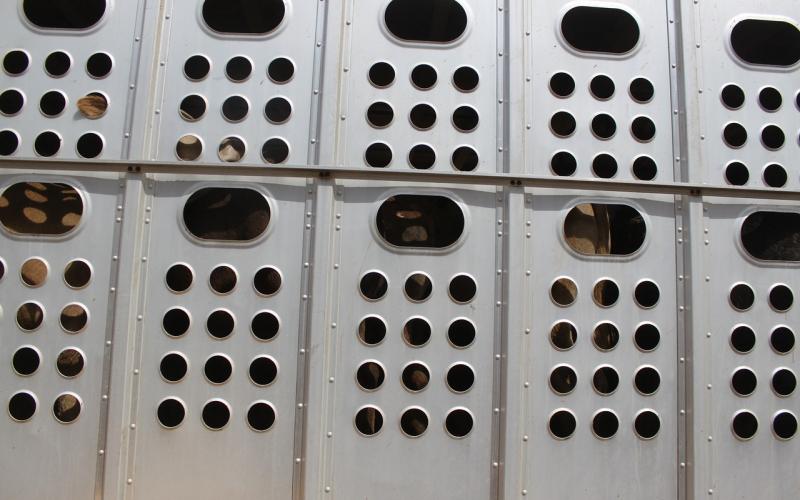
Livestock Emergency Response Planning (LERP)
The scene of an accident is not the place to build your team!