Beef Herd Health and Quality Assurance
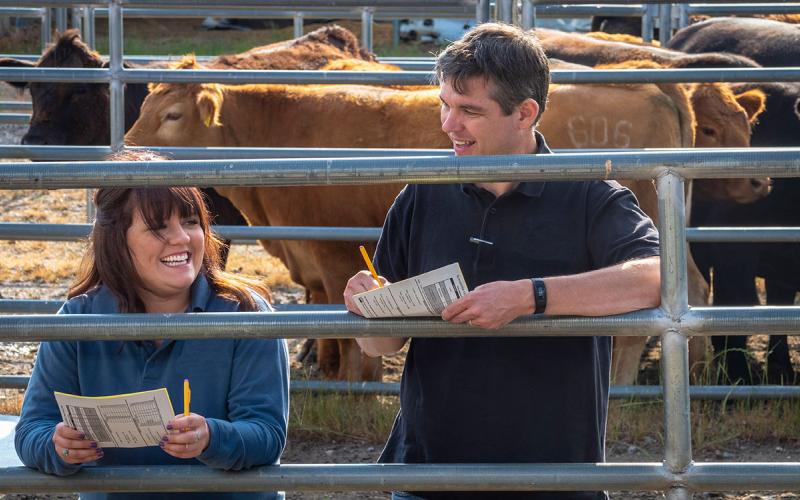
SDSU Extension offers Beef Quality Assurance training in Madison in November
October 23, 2026
South Dakota State University Extension is offering a Beef Quality Assurance (BQA) training course on Nov. 12, 2026, in Madison.
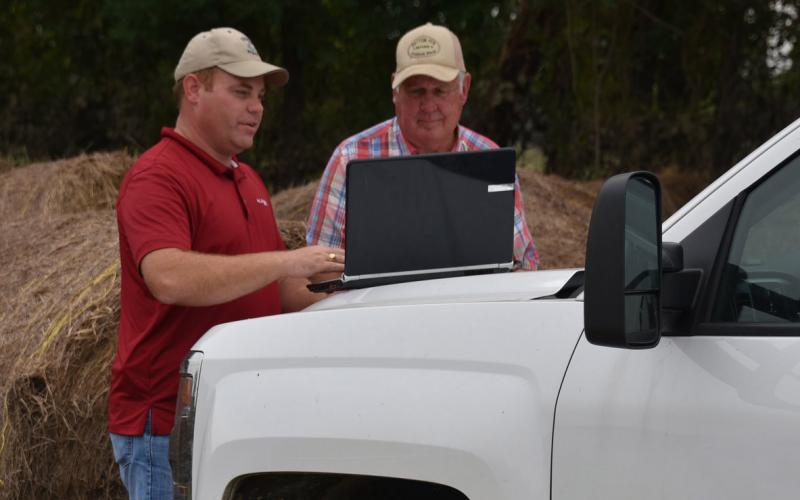
Beef Quality Assurance
South Dakota producers have the option to receive beef quality assurance (BQA) certification.
Beef
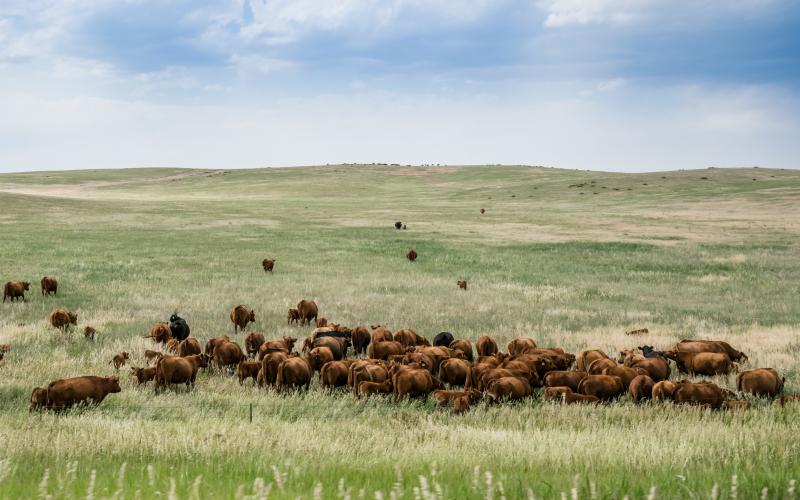
Home to more than 1 million head of cattle, South Dakota’s producers can rely on SDSU Extension for research-based information, best management practices and resources to support healthy and profitable herds.

Beef Quality Assurance Training @ Madison
SDSU Extension will host a beef quality assurance training on November 12 from 5:00-7:00 p.m. at the SDSU Extension Lake County Office (1000 S Egan Ave, Madison, SD 57042).
Prussic Acid Poisoning
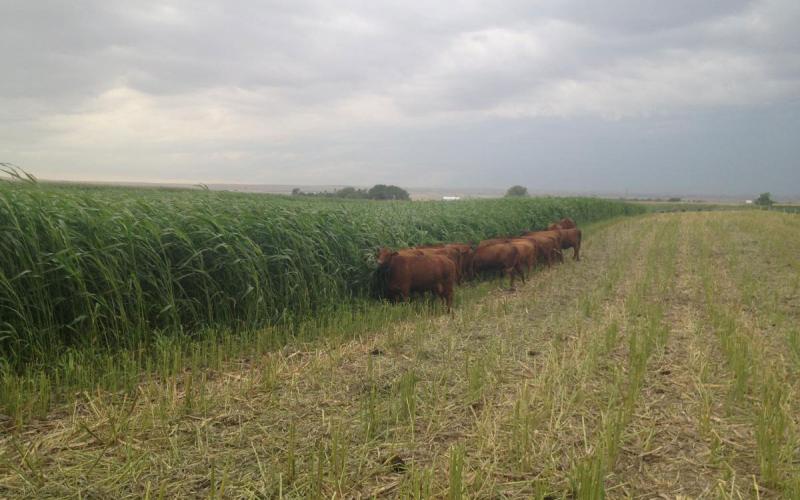
As the first frost date approaches, producers often have concerns about the risk of prussic acid poisoning in livestock. Certain forage plants, especially sorghums and related species are associated with an increased risk of death loss because of prussic acid poisoning.

A General Guide to Body Condition Scoring (BCS) Beef Cattle
A guide to determining body condition scores for beef cattle.
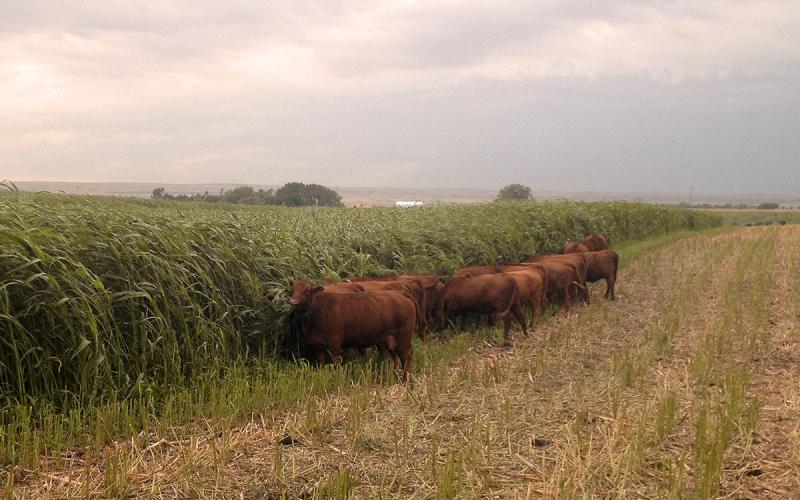
Managing Prussic Acid Risk Following Drought
Drought creates several challenges for ranchers, from reduced forage availability to declining pasture quality. It can also create concerns about forage toxicity issues resulting from excess nitrate and prussic acid accumulation.

Pregnancy Diagnosis as a Management Tool Following Summer Heat Stress
Following a summer marked by heat stress, pregnancy diagnosis offers producers an opportunity to measure the true reproductive impact within their herds. Beyond identifying pregnant and open females, pregnancy checks can reveal breeding season patterns, evaluate synchronization success, assess bull performance, and guide management decisions before winter.

Livestock Vaccine Care and Management
As weaning season approaches, it is important to remember that a successful vaccination program begins long before a needle ever enters a calf. Understanding how to correctly store, transport, mix, and administer vaccines is critical to maximizing immunity and protecting the performance of weaned calves.
SDSU Extension offers Beef Quality Assurance training in Rapid City in September
September 09, 2026
South Dakota State University Extension is offering a Beef Quality Assurance training course on Sept. 29, 2026, in Rapid City.