Beef Feedlot and Backgrounding
Beef
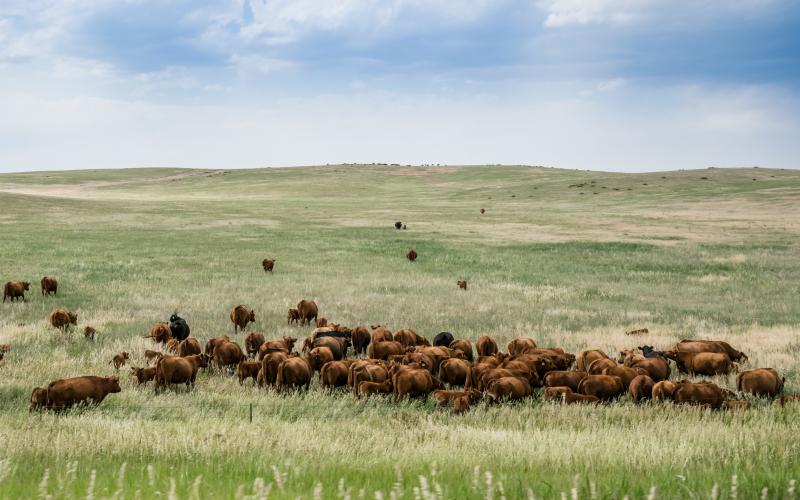
Home to more than 1 million head of cattle, South Dakota’s producers can rely on SDSU Extension for research-based information, best management practices and resources to support healthy and profitable herds.

National Animal Nutrition Program Leads the Way: Putting Artificial Intelligence to Work in Feed Management
Artificial intelligence is rapidly changing agriculture, but its value on the farm depends on whether it can help producers make better decisions. The National Animal Nutrition Program has been working to turn AI-based approaches into practical tools that can help livestock producers reduce feed losses and improve profitability.

A Roadmap to Becoming a USDA-NRCS Technical Service Provider for Feed Management
Agricultural professionals with expertise in livestock nutrition and feeding systems may become certified USDA-NRCS Technical Service Providers to assist producers with developing and implementing feed management conservation plans.

Feeding Sprouted Grains to Cattle or Sheep
Anytime wet weather causes harvest delays, the risk of grain sprouting pre-harvest increases. In most cases, we can feed sprouted grain to cattle or sheep with nearly the same results that we would expect with normal grain.
Calf Value Discovery Program
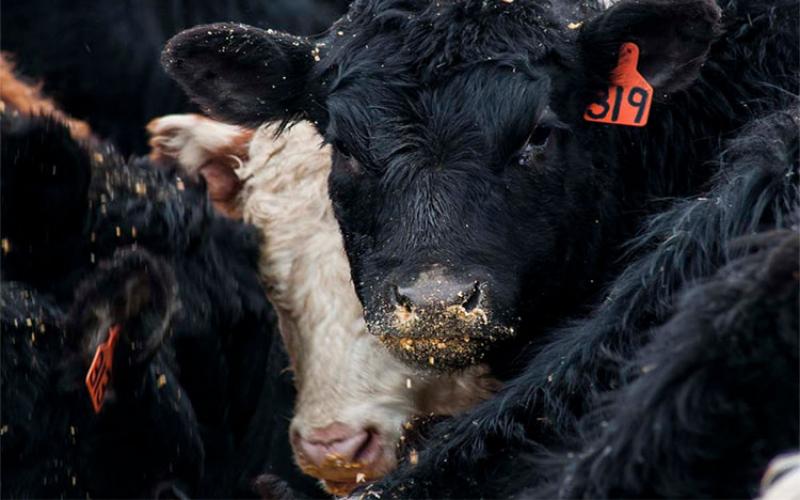
The Calf Value Discovery Program enables cow-calf producers to assess the value of their cattle in value-based marketing systems and gain valuable carcass and feedlot performance information to aid in management decisions and improve profitability.
Livestock
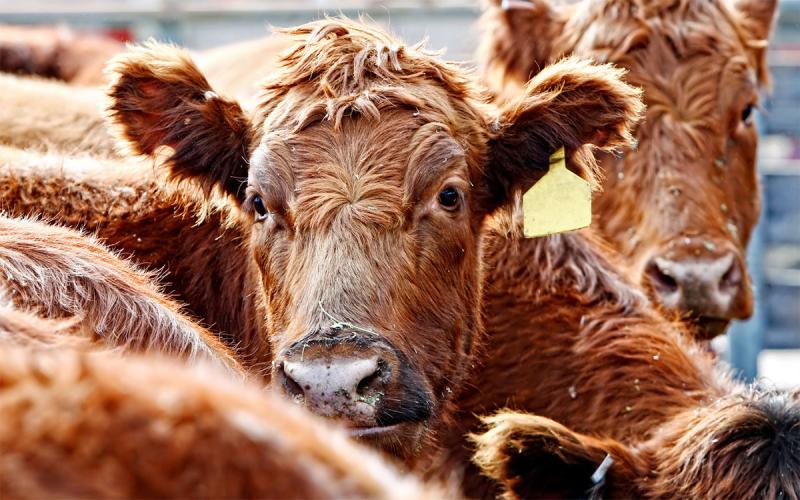
South Dakota is home to a dynamic livestock industry.
Water: The Unappreciated Nutrient
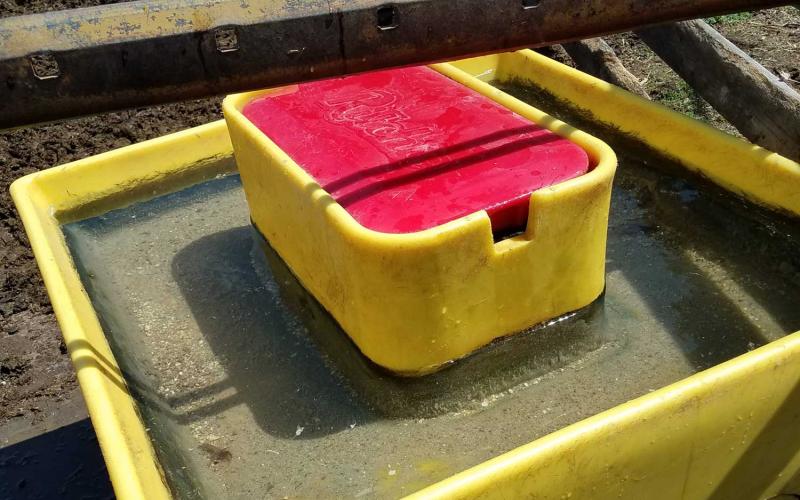
Water intake is strongly linked to feed intake, so any factors that cause cattle to drink less will lead to reduced feed intake and consequently reduced performance.
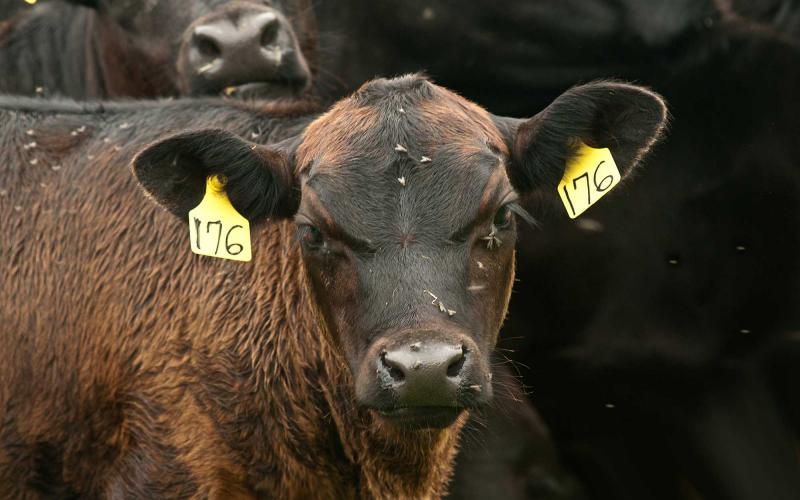
Summer Fly Control in Feedlots
Just as longer days mark the beginning of summer, so does the arrival of increased number of flies in feedlots. Flies are not only are an annoyance, they can reduce performance and worsen heat stress. Successful control strategies start with sanitation.
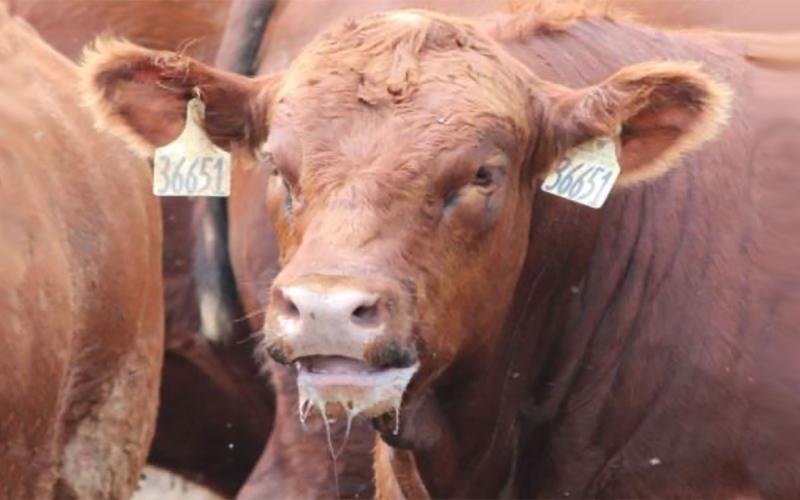
Heat Stress Forecasting Apps Available
Early summer heat stress in feedlot cattle is often triggered by rapid changes in temperature and humidity before cattle become acclimated to warmer conditions. Learn about some management tools that you can use to protect your herd.
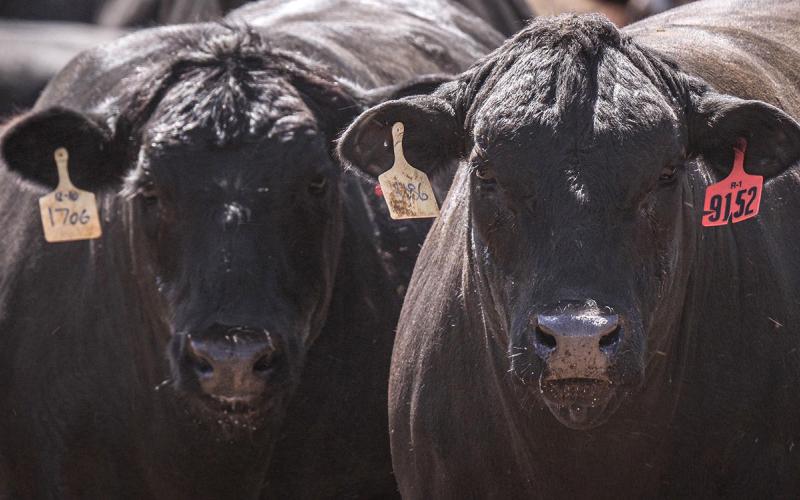
Heat Stress in Feedlot Cattle
High temperatures, humidity and low air movement create the perfect storm for heat stress in feedlots. Learn some expert tips for maintaining performance and reducing losses as we approach the hottest months of the year.