Beef Feedlot and Backgrounding
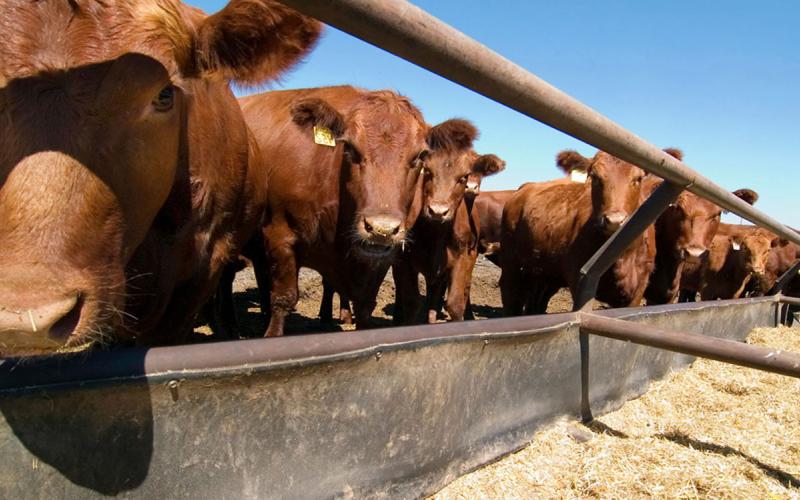
Concentrated Animal Feeding Operations training June 28 in Huron
June 08, 2023
There is an environmental training session for operators of Concentrated Animal Feeding Operations (CAFOs) on June 28, 2023, at the Crossroads Convention Center in Huron, South Dakota.
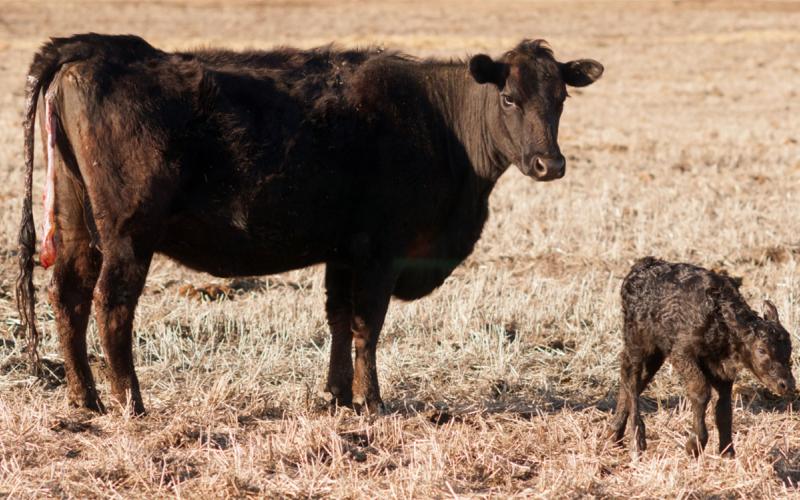
Beef: Best Management Practices for Cow-Calf Production
This comprehensive book provides producers with insight and education into the latest beef management, handling practices and technology.
Concentrated Animal Feeding Operations training to be held March 29
March 06, 2023
South Dakota State University Extension, the South Dakota Department of Agriculture and Natural Resources, and the Natural Resources Conservation Service are offering an environmental training session for operators of Concentrated Animal Feeding Operations (CAFOs) on March 29 at the Crossroads Convention Center, 100 Fourth St. S.W., in Huron.
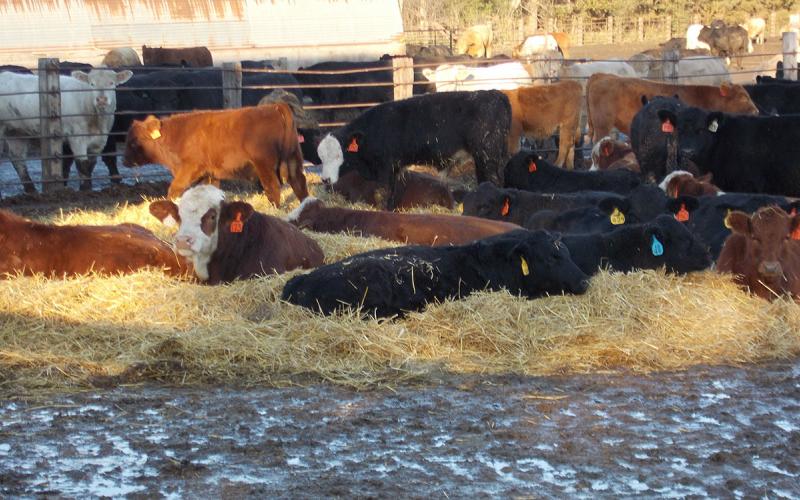
Strategic Feedlot Bedding
Providing bedding is one of the time-tested strategies for dealing with winter weather. But how does bedding affect the bottom-line?
Capitalizing on Cow Costs
Feeding cows is one area of consideration when analyzing the cost of keeping a cow through her production year. Through small management choices, we can decrease the cost of the cow while maximizing on opportunities.
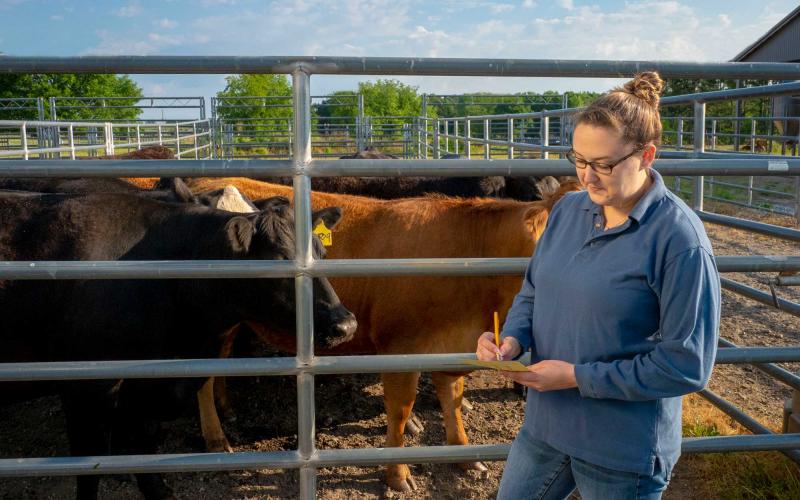
Capitalizing on Cow Costs: Part 2
In a previous article, ‘Capitalizing on Cow Costs’ reducing feed costs to improve cow efficiency was discussed. To continue the conversation, another area of cost reduction is in cull cows, bulls and calf death loss.
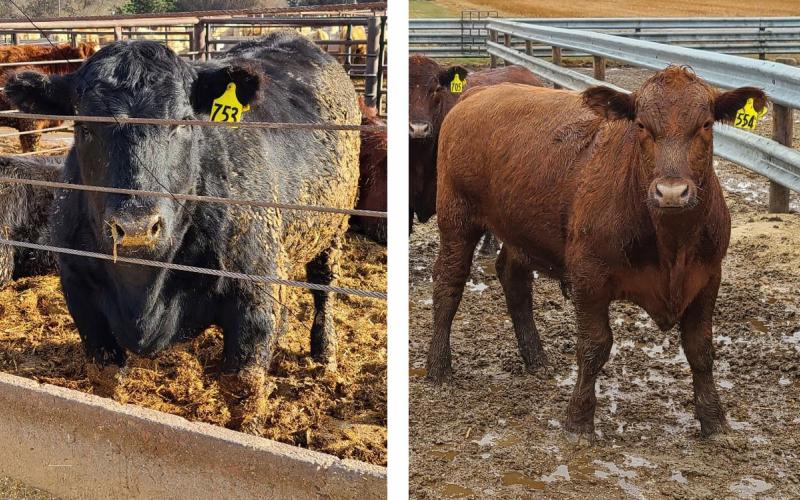
Raising Freezer Beef: When Is the Animal Finished?
Many producers have had their own beef processed for years, and some may have been selling animals to their neighbors on occasion. It's another matter entirely when the objective is satisfying customer expectations, especially if finishing cattle hasn't been a normal part of your operation.
Raising Freezer Beef: Management Considerations
A trend that has become more prominent in recent years is for ranchers to finish a few animals and sell beef direct to the consumer. Proper feeding and management is key to capturing extra value and in meeting customer expectations.
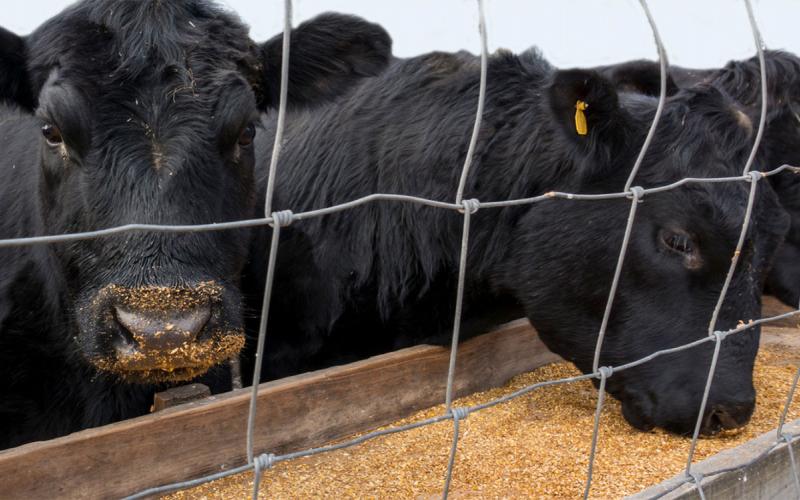
Raising Freezer Beef: How To Feed Grain-Finished Beef
A trend that has become more prominent in recent years is for ranchers to finish a few animals and sell beef directly to the consumer. This article will address a few options for hand-feeding a small group of cattle to finish.
Feed at Night, Calve During the Day
As cattle producers begin thinking about calving season and management practices to ease the workload, night feeding is something to consider. Producers have questioned whether or not the time of feeding affects time of calving, and the answer is “Yes.”