Beef Feedlot and Backgrounding
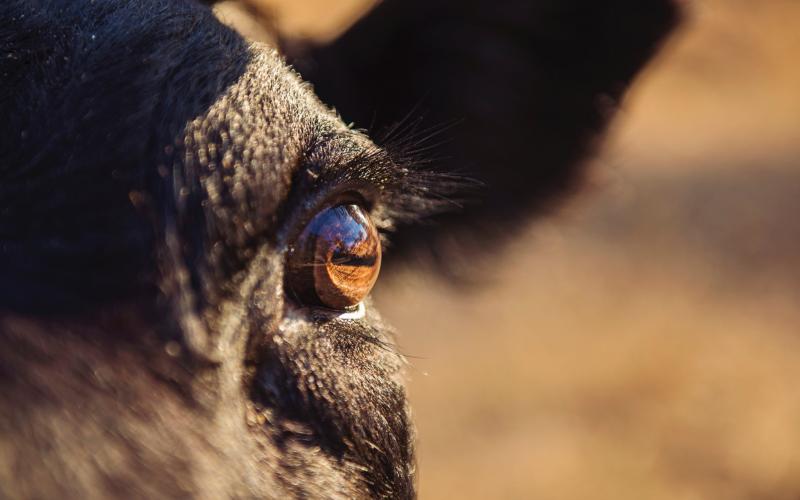
Toe Abscess (Toe Tip Necrosis) in Feeder Cattle
Toe abscess (toe tip necrosis) is most commonly seen in feedlot cattle and is likely subsequent to excessive abrasive damage to the hoof, especially the toe tip. Feet may become infected when the white line is damaged which opens the claw to bacteria, dirt and manure.
Questions and Misconceptions Surrounding Implants
Growth promoting implants are among the most widely used technologies in the beef industry. The first implant received FDA approval in 1954, yet in spite of a long history, there are still myths and misconceptions surrounding their use.
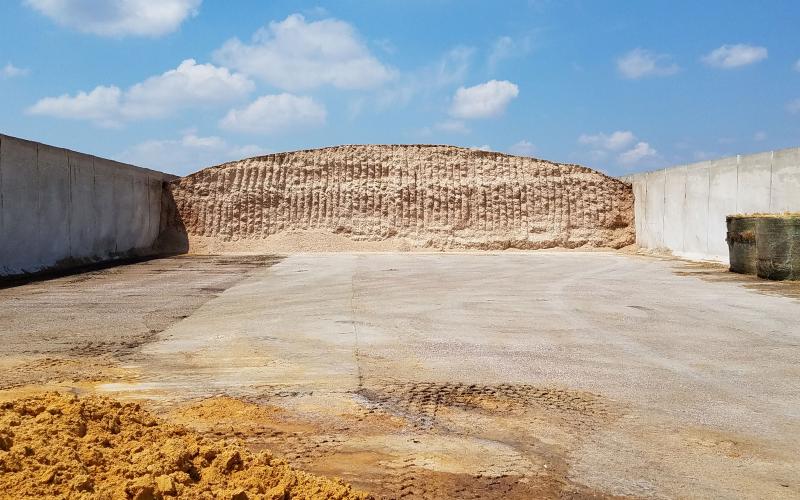
Valuing High-Moisture Corn and Earlage
A key advantage to using commodities that meet standard specifications and are frequently traded is that it is very easy to establish an economic value that is accepted by most users. The marketplace sets the value of corn, and other feedstuffs on a daily basis, provided those products meet some set of standard specifications.
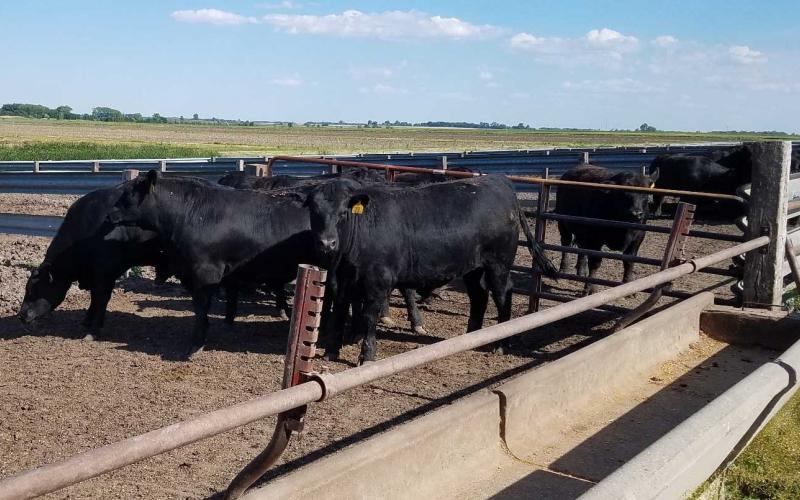
Bigger Cattle. Warmer Weather. What Can Go Wrong?
The disruptions in the beef processing sector caused by COVID-19 continue to interfere with the orderly marketing of finished cattle. While we all hope that the situation is resolved quickly, the reality is that because the shipment of so many harvest-ready cattle has been delayed, there will be increased numbers of heavier cattle on feed for the foreseeable future.
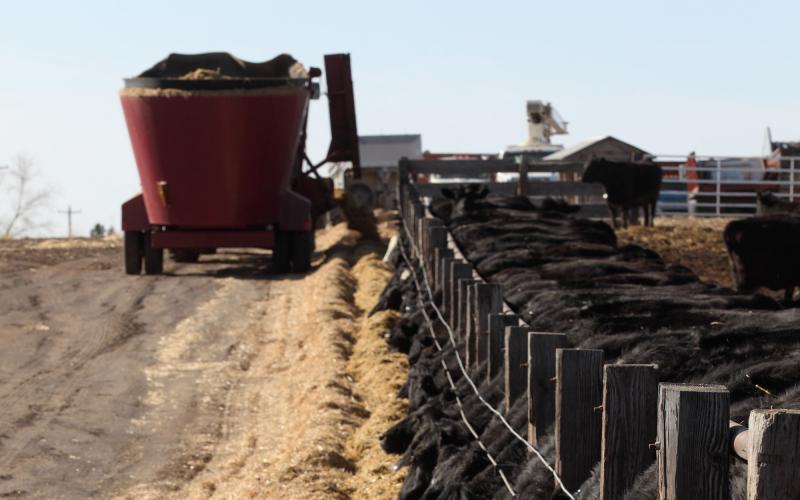
Sign Up Available for Virtual Feedlot Short Course, July 16
August 10, 2020
SDSU Extension will be hosting a seven-week virtual Feedlot Short Course beginning on July 16. The program is scheduled to run each Thursday from July 16 through August 27, at 12:30 p.m. CDT.
Virtual Feedlot Shortcourse to Begin July 16
August 10, 2020
SDSU Extension will commence its seven-week virtual feedlot shortcourse starting on July 16. The program is scheduled to run each Thursday at 12:30 p.m. CDT from July 16 through August 27.
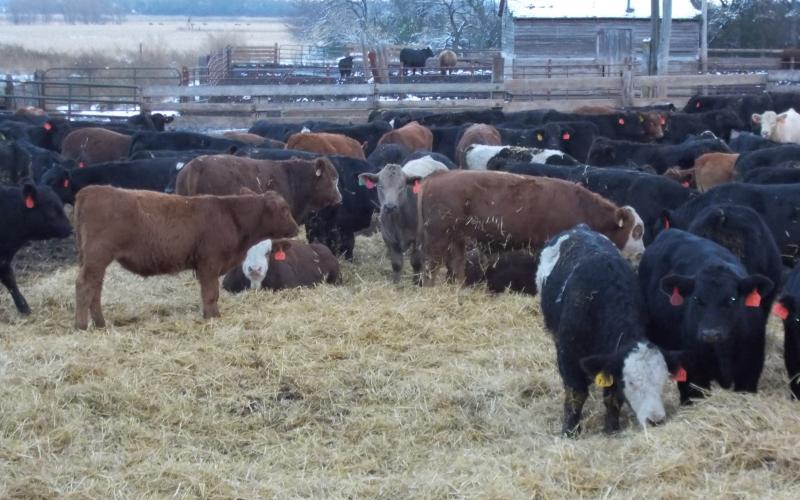
Managing Cattle Through Winter Weather Conditions
Winter weather conditions often present challenges to cattle managers in the Northern Plains. Although we can’t alter the weather, there are management steps that can be taken to help maintain cattle health and performance.
What Goes Into Calculating Yardage?
Yardage cost is the non-feed cost per head for every day that an animal is fed harvested feed in some form of confinement. Yardage is usually associated with calves and yearlings in the feedlot, but this concept can apply to drylotted or wintering cows as well.
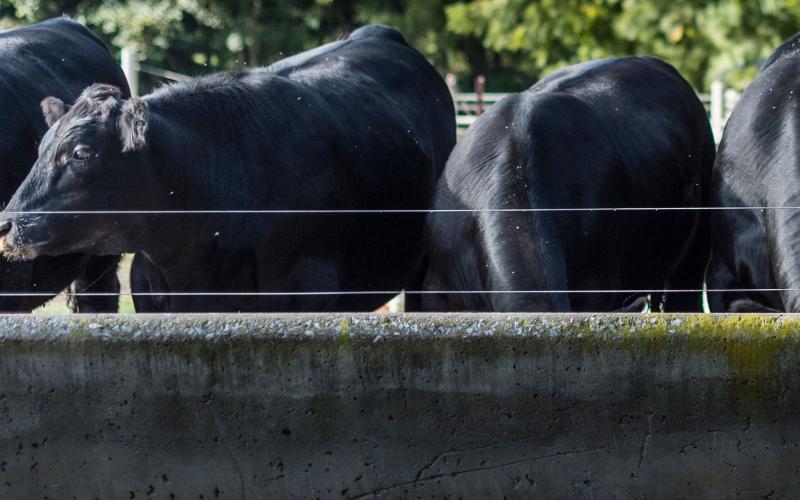
Feedlot Pen Maintenance Allows Cattle to Walk Easier
Beef feedlot operations are faced with daily tasks of managing feed and cattle inventory, animal health, labor, operational activities and marketing of the resident cattle in the yards. No less important are details to manage the feedlot environment and facilities.
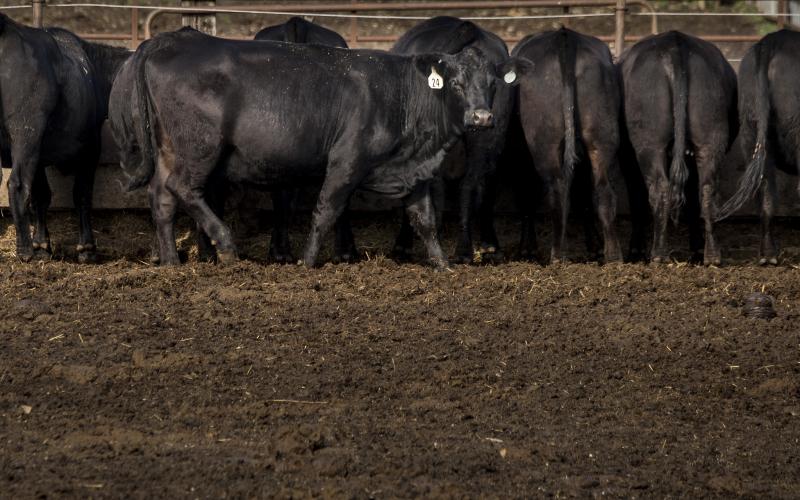
Do Temperament and Breed Type Play a Role in Feeding Efficiency and Carcass Quality?
Is there a relationship between temperament and profitability in cattle? A recent study conducted by Texas A&M University took a closer look at the impacts that temperament and breed types can have on feedlot growth performance, feed efficiency, feeding behavior, carcass characteristics, and value in finishing beef heifers.