Search
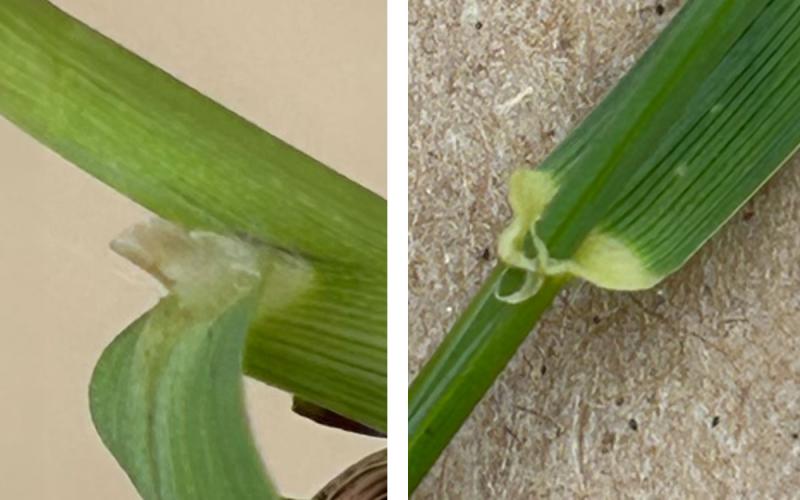
Preemergence Crabgrass Herbicide Decisions
The optimal application window for preemergence herbicides to manage crabgrass in turf is normally during April, and earlier in the month during warmer years.
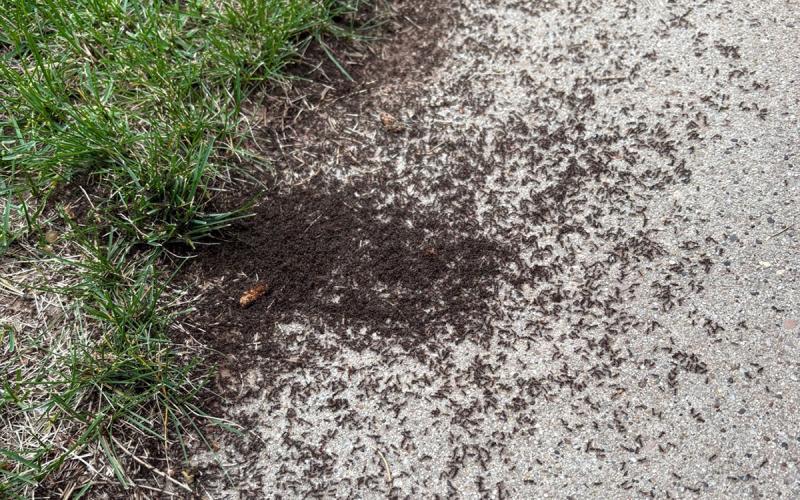
Ants Preparing for Another Busy Year
A wet growing season last year combined with a mild winter has boosted ant activity across the state, and we have already received numerous questions from both curious and concerned residents in South Dakota.

Bacterial Ring Rot: Yet another devastating disease of potato
Ring rot is primarily a disease of stored tubers and seed potatoes, where it produces black or brown lines just below the surface of the potato.
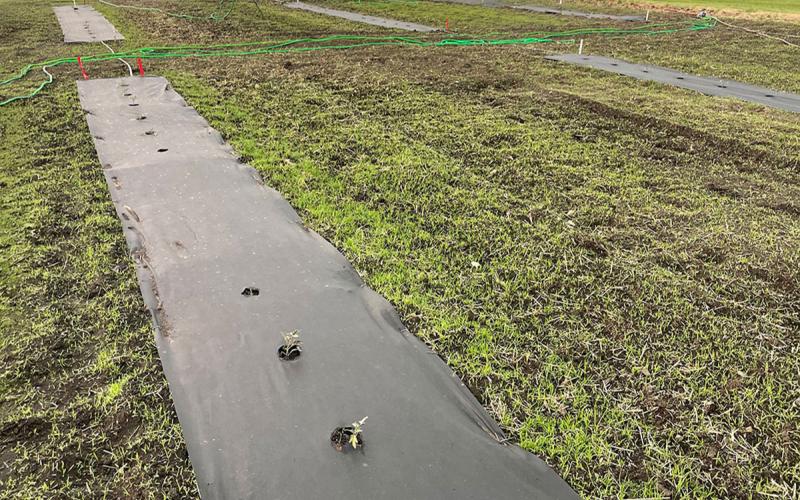
Research Report: Warm-Season Living Mulch Impacts on Cucumber Yield and Disease Symptoms
A 2025 trial in Brookings, South Dakota aimed to detect the influences of various warm-season cover crop living mulches on pest pressure in tomatoes and cucumbers and the interactions between both grafted and nongrafted tomatoes and cucumbers and the living mulch.
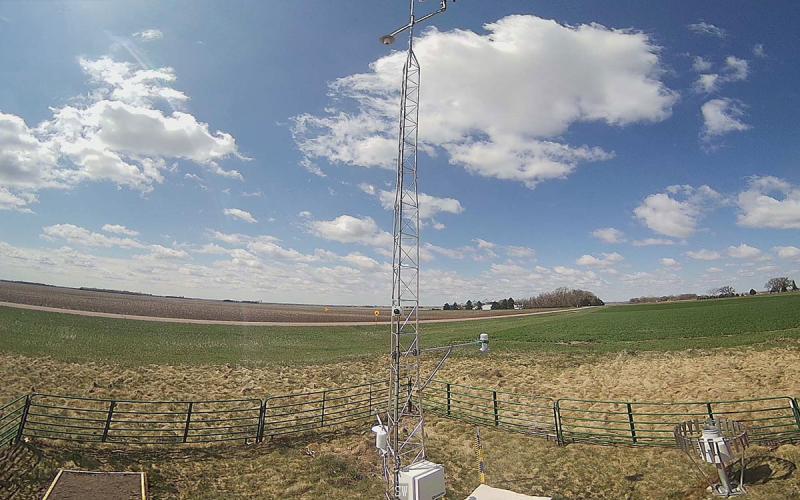
Building Resilient Farms Amid Increasing Weather Variability
Recent decades have brought a noticeable increase in climate variability in South Dakota. Understanding these trends and adopting adaptive management practices can help producers strengthen the resilience of their operations.

South Dakota Grasshopper Prediction for 2026
Almost every year in South Dakota there is a risk that grasshopper populations will reach levels capable of causing issues for producers. Unfortunately, our prediction for the 2026 growing season won’t change the trend.
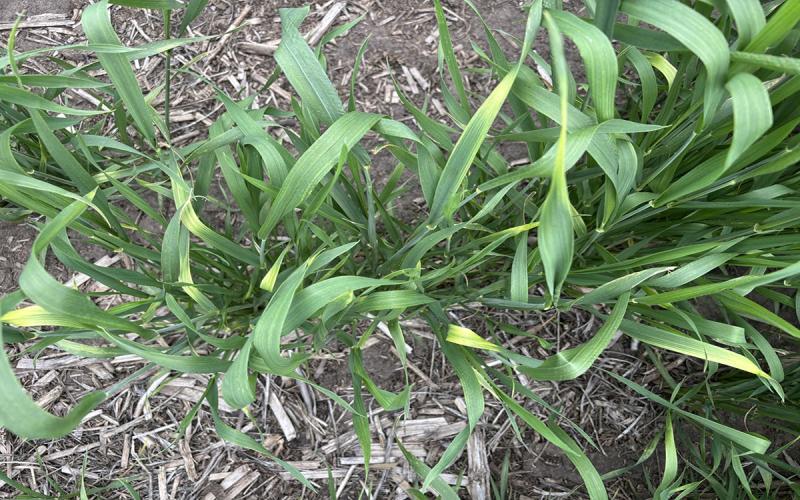
Wheat Streak Mosaic Virus Confirmed in 2026
At the end of April, a winter wheat sample was submitted to the Plant Diagnostic Clinic displaying typical viral symptoms of chlorosis and streaking. Upon testing, this sample was determined to be positive for Wheat Streak Mosaic Virus.

Army Cutworms Causing Issues in South Dakota Wheat
Army cutworm caterpillars are active in South Dakota wheat fields. This activity is only going to increase with the forecasted temperatures.
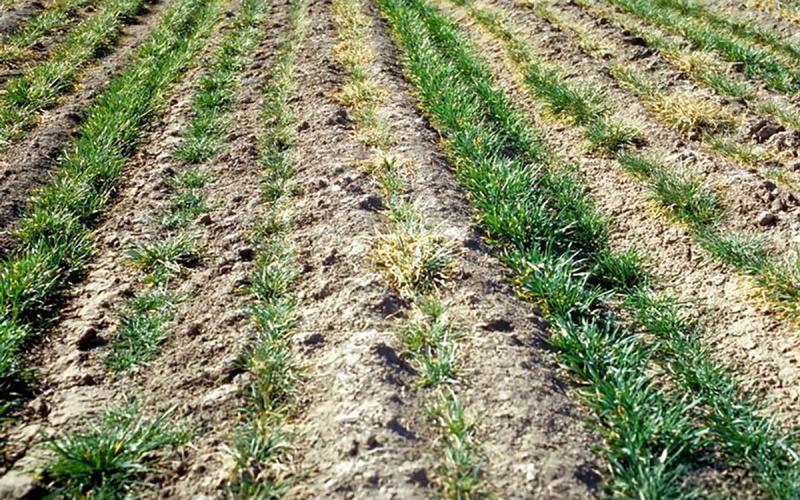
Brown Wheat Mites Detected in South Dakota Wheat
Brown wheat mite infestations have been detected in South Dakota wheat. Typically, infestations are more commonly observed in fields experiencing drought stress, which is currently most of the state

Red Fescue (Festuca rubra), A New Grass in the Black Hills: Friend or Foe?
Red fescue (Festuca rubra), a cool-season, dominate rhizomatous grass, has started showing up on disturbed ground near meadows and forests. While it is not a state noxious weed yet, its spread has raised questions from producers.