Written collaboratively by Madalyn Shires, Anna Lagerhausen, Connie Strunk, and Connie Tande.
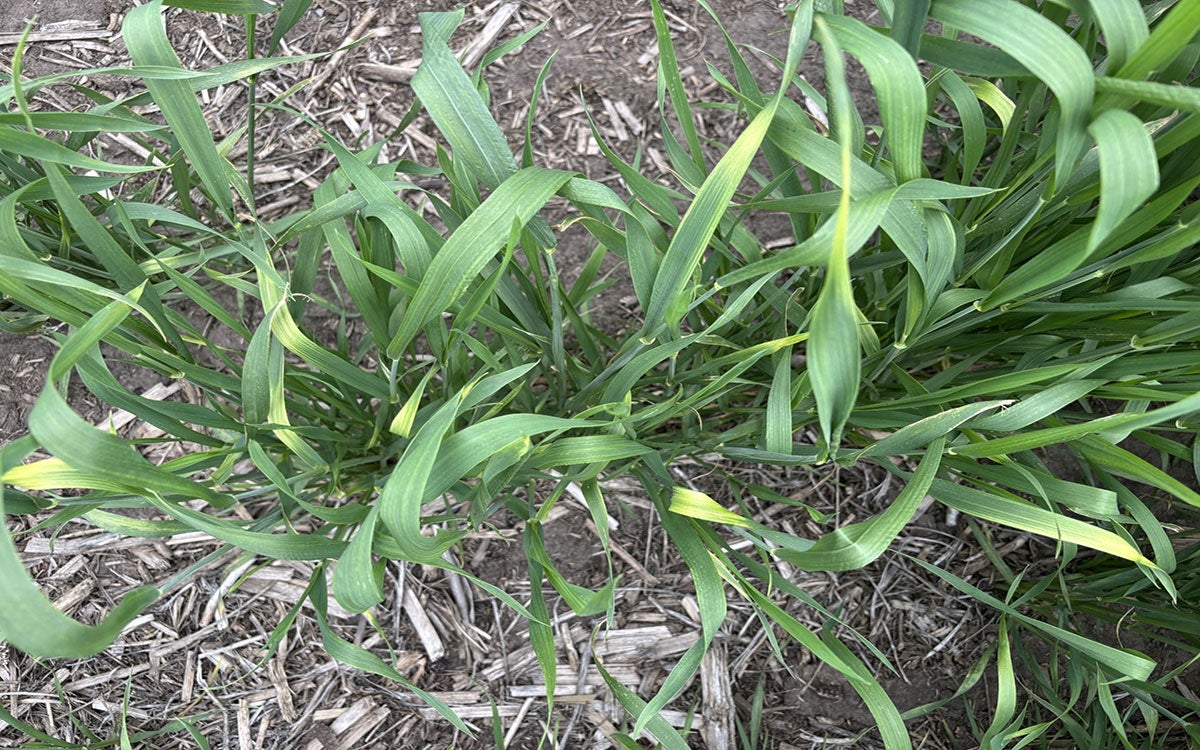
At the end of April, a winter wheat sample was submitted to the Plant Diagnostic Clinic displaying typical viral symptoms of chlorosis and streaking. Upon testing, this sample was determined to be positive for Wheat Streak Mosaic Virus (WSMV). This is the first WSMV positive sample of the growing season in South Dakota.
South Dakota is no stranger to WSMV. With symptoms already becoming visible, growers should begin early season scouting of winter wheat fields for WSMV and other viral diseases. Scouting and management should cover spring wheat as well, as infection rates have increased in recent years. When uncontrolled, WSMV severely reduces yield.
Management Considerations
WSMV is transmitted by the Wheat curl mite. Management of WSMV should focus on reducing transmission and mite populations, as there are no treatments to cure infected plants. Spring and winter wheat, as well as wild grasses found along field borders, can harbor mites. WSMV can be transmitted between spring and winter wheat through these wild grasses, a pathway referred to as a ‘green bridge’. These grasses, as well as volunteer wheat, should be considered when managing WSMV, as they allow both mites and the virus to persist between growing seasons. Border grasses can be managed through tillage or herbicide to help control WSMV.
Lessons From 2025
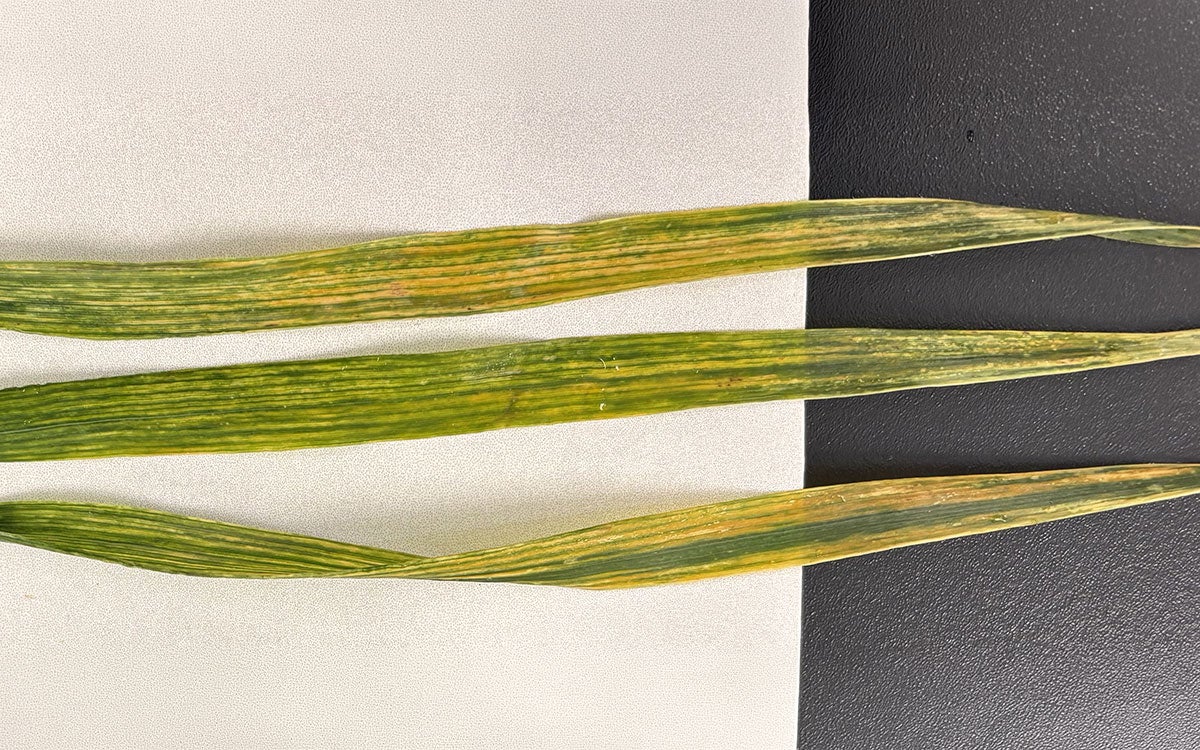
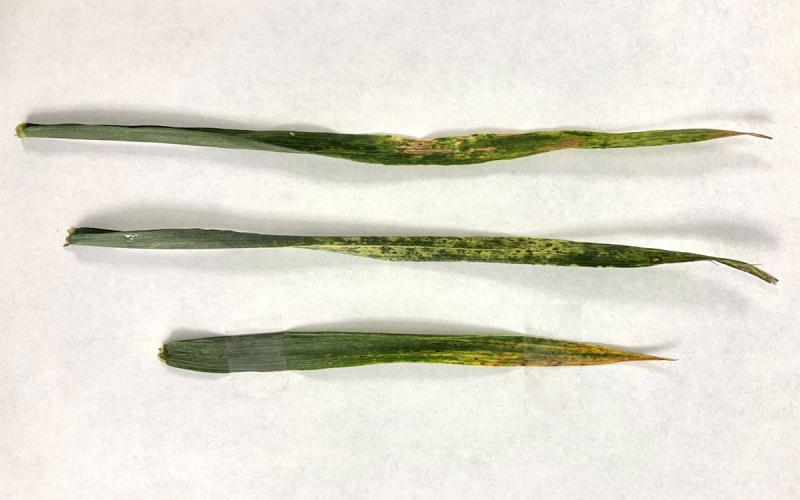
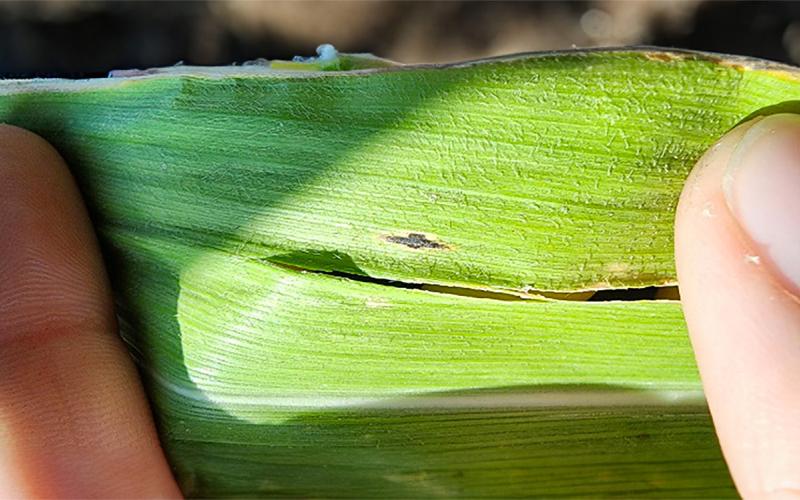
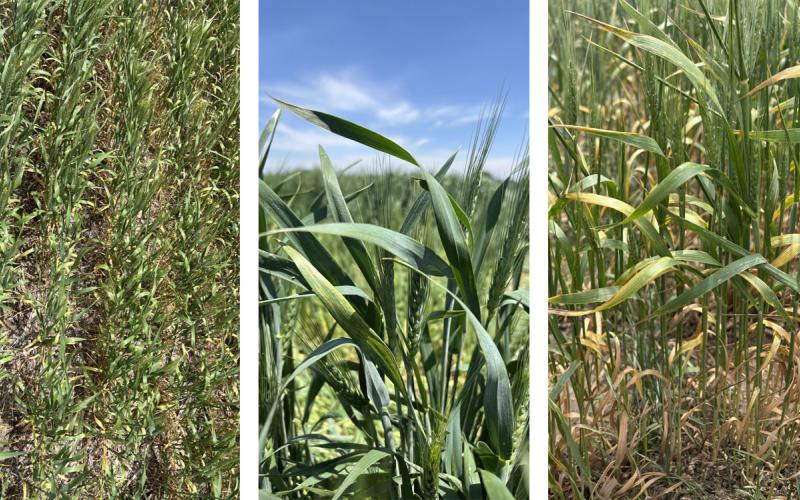
South Dakota experienced a notable WSMV outbreak in 2025, with outbreaks in both spring and winter wheat. Symptomology from the growing season can be identified in Figure 1 and 2. WSMV can infect a wide range of plants, all of which are able to sustain outbreaks and lead to heightened transmission when not managed. WSMV was detected in several late-season grasses, volunteer corn, and sorghum last year. These alternate hosts can act as a disease reservoir and need to be managed to limit spread and potential outbreaks.

Warm late-season temperatures likely allow mites to remain active longer than usual. As a result, grasses near wheat fields that were not controlled should be considered potential sources of infection going into 2026.
Two additional viruses within the WSMV complex, including High Plains Wheat Mosaic Virus (HPWMoV) and Triticum Mosaic Virus (TriMV), were also detected in 2025. It is important to note that HPWMoV and TriMV incidence, though verified, were both extremely low in 2025. However, Southern states including Kansas and Colorado have experienced a rapid influx of TriMV in recent years. While these viruses currently have limited presence in SD, scouting and monitoring for viral outbreaks should continue to prevent or reduce disease impact should these viruses become more common. Figure 3 shows the 2025 distribution of WSMV-complex across the state.