Written collaboratively by Krista Ehlert, Ph.D., Associate Professor & SDSU Extension Range Specialist; Payton Lemme, SDSU Graduate Research Assistant; Kaylee Wheeler, SDSU Extension Range Field Specialist; and Sean Di Stefano, Ph.D., SDSU Assistant Professor of Rangeland Ecology and Management.
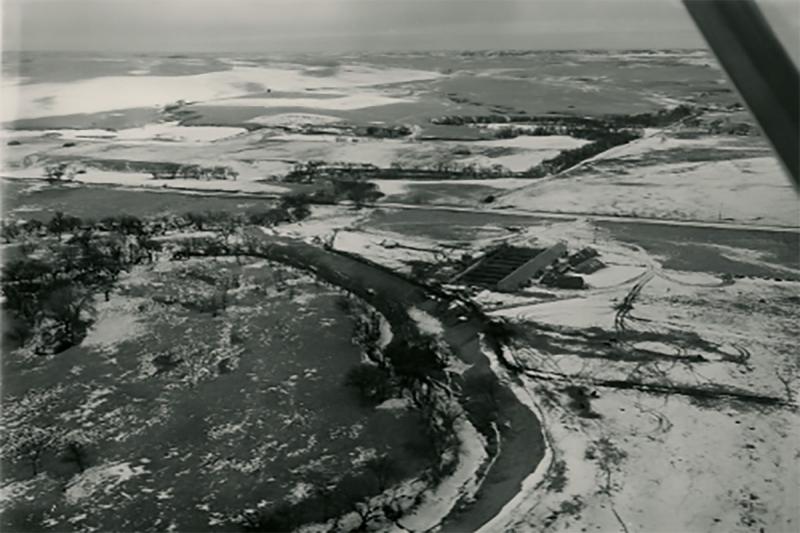
For nearly 80 years, researchers at the Cottonwood Field Station in western South Dakota have monitored how different stocking rates have shaped mixed-grass prairie plant communities. Much of this work, beginning in the 1940s and 1950s under James K. 'Tex’ Lewis, was recorded by hand in detailed field notebooks. Those details include data such as species composition, plant height, biomass production, visual plant cover estimates, and pasture condition reports. Today, these historical records are being digitized and compared with modern data to help producers, land managers, and researchers better understand how rangelands respond to long-term grazing management. This project, being led by collaboration between SDSU’s Natural Resource Management, Animal Science, and University Archives departments, aims to connect the past and present so that current and future management can benefit from decades of insight captured right in South Dakota.
Bringing Historical Data Back to Life
Tex Lewis’s original notebooks and journals contain thousands of handwritten entries – most of which have never been analyzed with modern tools. With help from SDSU’s Hilton M. Briggs Library archivist Michele Christian and undergraduate technicians, these records are being scanned and processed using Microsoft Azure Document Intelligence, an AI-based character recognition system. Azure recognizes handwriting and tables and can convert them into spreadsheet formats with moderate to high accuracy for proper archiving and analysis.
Once digitized, the data is standardized to match modern scientific names, soil types, plant functional groups, and measurement units. This step allows historical vegetation, precipitation, and livestock data to be merged with other long-term monitoring records, as well as more recent data collected at Cottonwood from 2000-2023. These efforts to digitize historical data, alongside the more recently gathered data, will contribute to a continuous dataset that spans more than eight decades in total.
What Long-Term Grazing Records Reveal
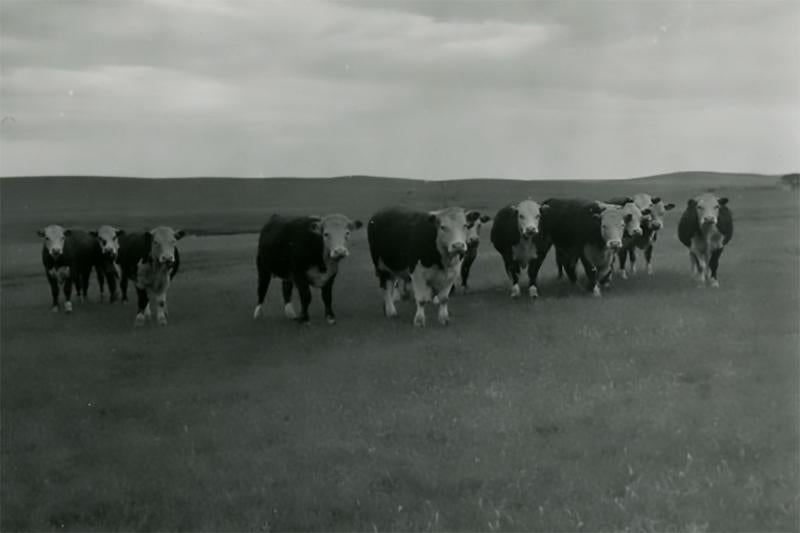
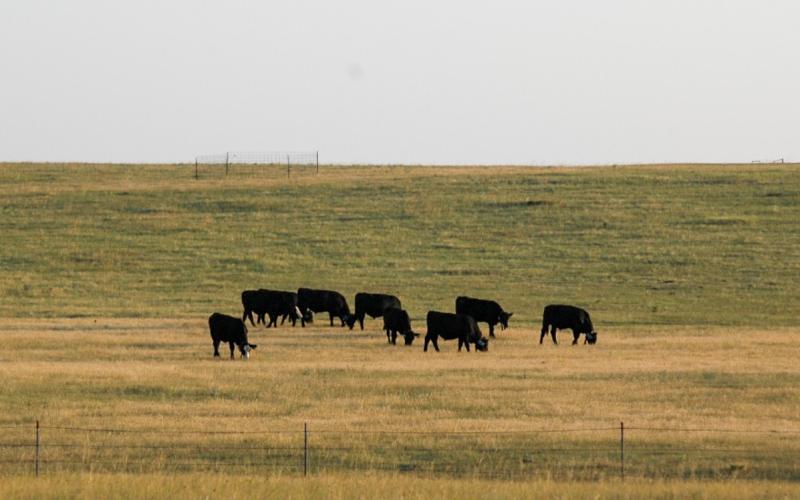
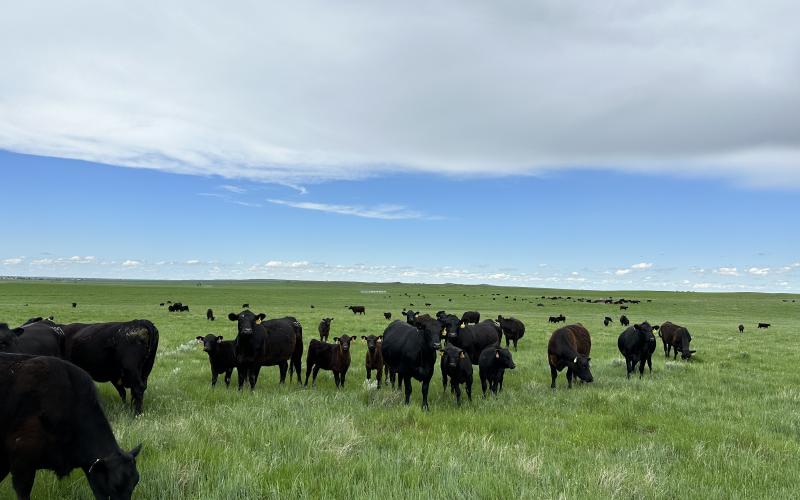
For the last 80 years, three stocking rates (light, moderate, and heavy) have been implemented on pastures at Cottonwood Field Station. Since that time, the same stocking strategies have been consistently implemented, monitored, and documented. This long-term grazing study generates valuable information that simple two or three year studies cannot. Long term studies show how changes in precipitation (i.e.: drought) and management strategies will impact the land over time.
The rangeland at Cottonwood Field Station was traditionally a mid-grass prairie with a strong presence of western wheatgrass and needlegrasses. Although only a portion of the historical records have been fully digitized, early analysis has suggested familiar patterns in how plant communities respond to these different grazing pressures:
- Light grazing – favors taller, cool-season grasses such as western wheatgrass, which tend to do well with less frequent defoliation of a lighter stocking rate.
- Moderate grazing – tends to maintain a diverse, mixed community of cool- and warm-season grass species and is associated with improved forage production.
- Heavy grazing – shows a reduction in taller cool-season grasses such as western wheatgrass and needlegrasses and increases in short grass species like blue grama and buffalograss. These warm season species can better tolerate repeated defoliation and drier soils but produce much lower biomass.
These early observations provide a glimpse into how grazing intensity has shaped plant communities at Cottonwood. As more of Tex Lewis’s and other researchers’ field notes are processed and standardized, range scientists will be able to analyze whether these patterns remain consistent across decades of precipitation variability, drought cycles, and management practices.
Modern Applications
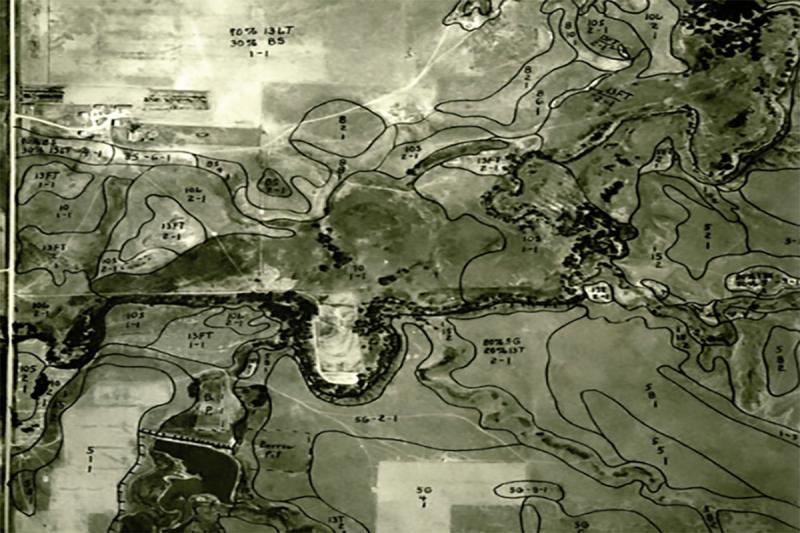
Digitizing these historical records can expand not only a researcher’s toolbox but also offer insight to land managers, ranchers, and producers faced with hard choices regarding rangeland management. With clearer understanding of long-term plant community responses, producers will be able to:
- Fine-tune stocking rates using knowledge of which functional groups are likely to increase or decrease under certain grazing intensities.
- Anticipate long-term vegetation trajectories, especially following drought years or years of high grazing pressure.
- Improve forage planning by understanding which species groups reach stable production in variable climates.
- Support sustainable grazing strategies that can maintain both rangeland health and economic profitability.
Because western South Dakota’s mixed grass/shortgrass prairies share similar weather patterns, soils, and plant species with the Northern Great Plains, insights from this project will be valuable not just in western South Dakota but also in neighboring areas with similar ecosystems.
The world of rangeland management rarely has access to long-term experimental datasets. The combination of Cottonwood Field Station’s early field studies with modern monitoring records presents a rare opportunity to see how grazing history has shaped the mixed-grass prairie we see today. By digitizing and analyzing these historical records, SDSU researchers are ensuring that past efforts continue to support present and future decision-making. As these datasets become more accessible, they will strengthen partnerships between producers, scientists, and land stewards across the Great Plains as well as equip today’s land and livestock managers with the information needed to keep prairies resilient for decades to come.
For more information on the details of the digitization project, please contact:
- Sean DiStefano, Assistant Professor of Rangeland Ecology and Management
- Jamie Brennan, Assistant Professor & SDSU Extension Livestock Grazing Specialist
- Michele Christian, University Archives & Special Collections Associate Librarian