Livestock
All Livestock Content

Elevate Ewe
Elevate Ewe is designed for beginning sheep producers who want to develop or improve a full or part-time sheep operation.
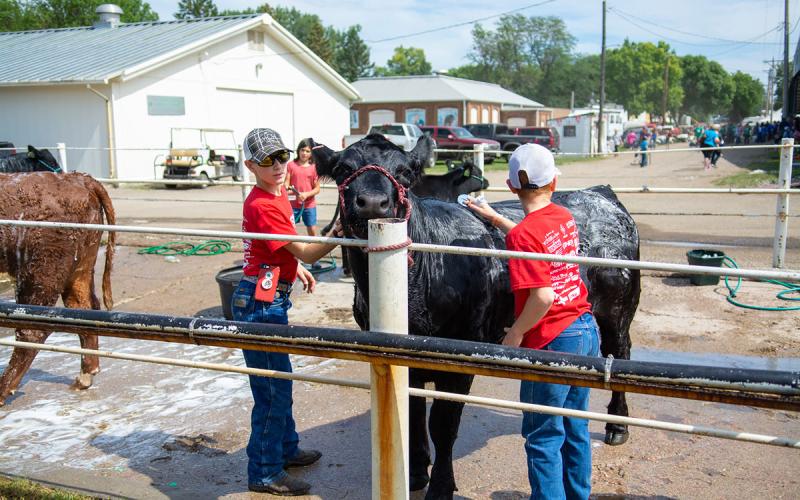
Fair Season Biosecurity
Fairs are a big part of youth livestock programs, but they come with a responsibility to care for animals the right way. With a few extra steps, you’ll be doing your part to keep your animals, your barn, and your community healthy, now and for the seasons to come.
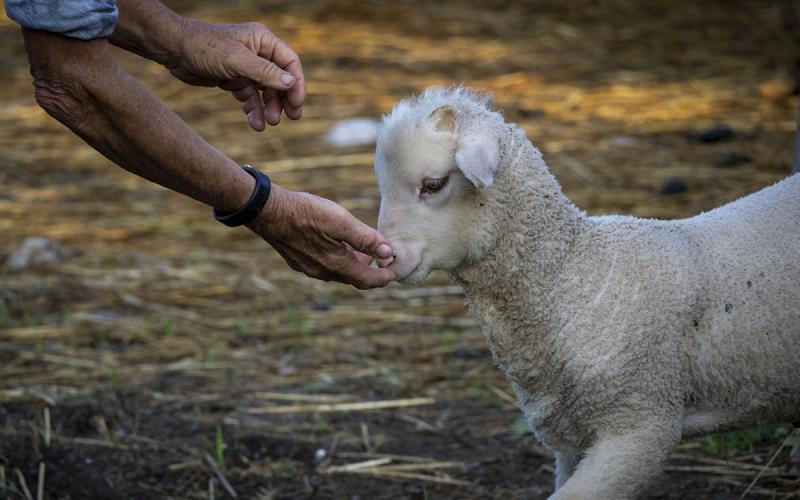
Coccidiosis in Lambs
Coccidiosis in lambs is a significant health concern that requires prompt recognition and treatment to minimize its impact. It primarily impacts young lambs, leading to severe gastrointestinal distress and potential economic losses for sheep producers.
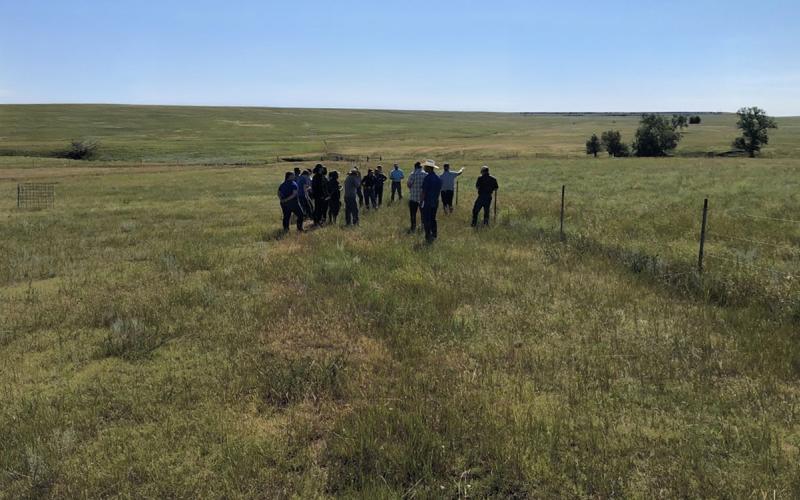
Systems Thinking for Agriculture: A tool for addressing complex ranch problems
A systems approach to management encourages producers to take multiple factors into consideration to solve problems within their agricultural operation.
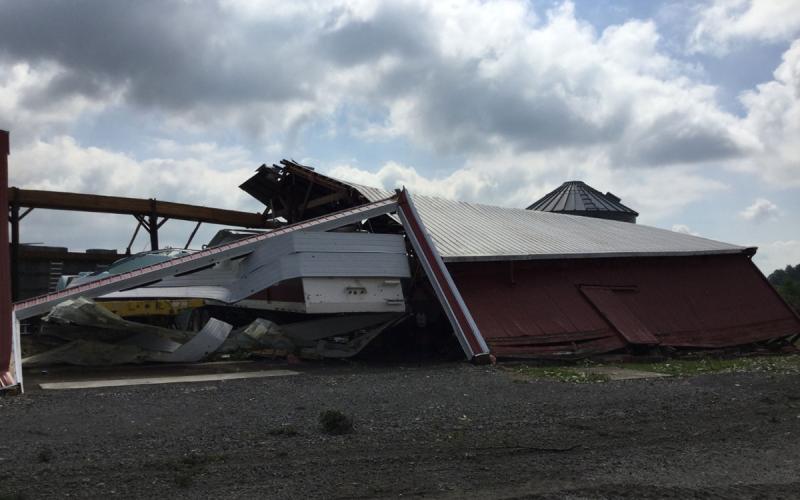
Tetanus: A Storm Aftermath Problem for Animals
Of all the challenges faced by animal caretakers in the wake of damaging storms, Tetanus is a potentially serious disease that might not appear for days or weeks later. Learn some expert tips for recognizing, treating and preventing it.
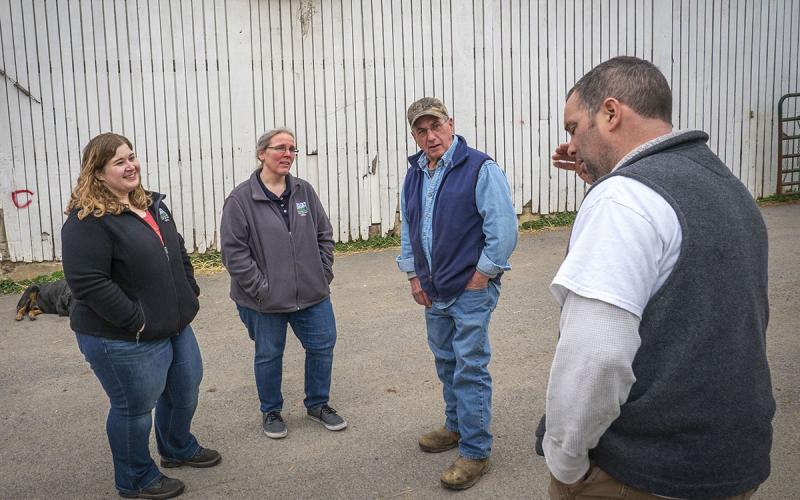
A Disaster-Ready Strategy for Cattle Operations
Cattle producers can minimize risk and maximize resilience. Having a written emergency action plan and routine exercise of the plan helps ensure animal welfare and business continuity.
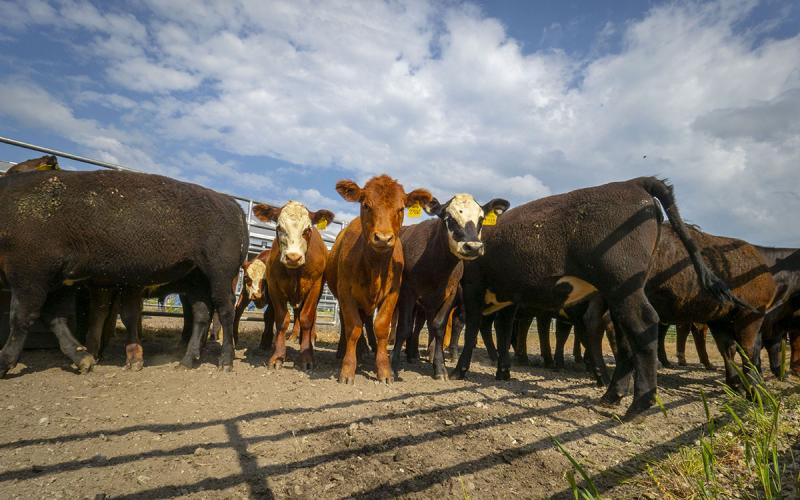
SDSU Extension Beef Team Members Receive Training for the Secure Beef Supply Plan
The Secure Beef Supply Plan provides cattle producers and industry partners with the resources needed for business continuity in case foot and mouth disease infects the United States livestock industry.
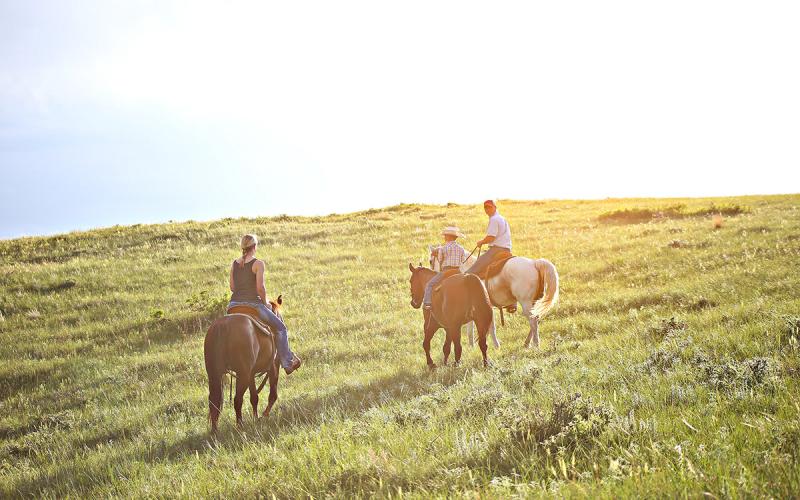
Heat Exhaustion and Heat Stroke: Protecting Your Operation
During periods of extreme heat, operations must take additional steps to protect their employees from heat exhaustion and heat stroke.
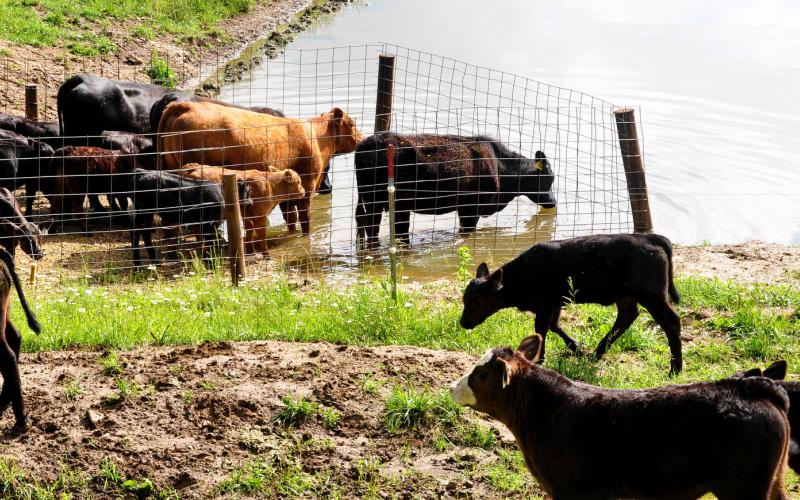
Low-Stress Weaning
Low-stress weaning methods, such as fenceline weaning and two-step weaning, can reduce calf stress and potentially improve health and performance.

SDSU Extension Silage/Earlage Calculator
The Silage/Earlage Calculator is designed to help corn and livestock producers answer questions regarding the value of standing fields of corn either as grain, silage and earlage.