Livestock
All Livestock Content
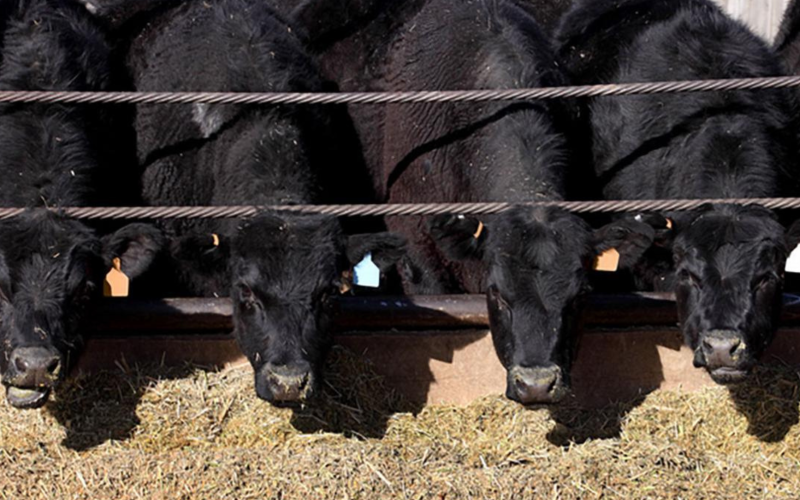
Pre-conference speakers join 2025 Siouxland Feedlot Forum
May 28, 2025
A pre-conference program and reception have been added to the 2025 Siouxland Feedlot Forum on June 16-17, 2025, in Sioux Falls, and registration is still available.
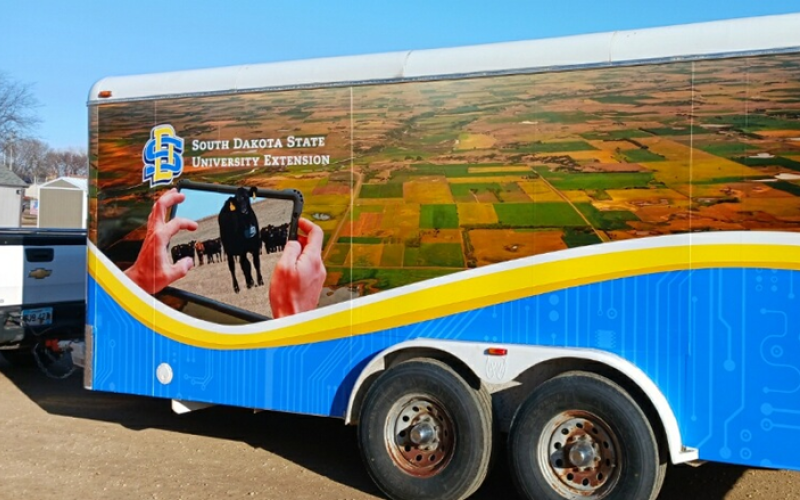
SDSU Extension helps producers navigate precision ag
May 28, 2025
Precision agriculture practices are growing as technology continues to evolve, and SDSU Extension is leading the state’s efforts to monitor and understand the role it plays.

SDSU Extension invites operators to CAFO environmental training
May 20, 2025
There will be an environmental training session for operators of concentrated animal feeding operations (CAFOs) on June 25, 2025, at the Crossroads Convention Center in Huron.
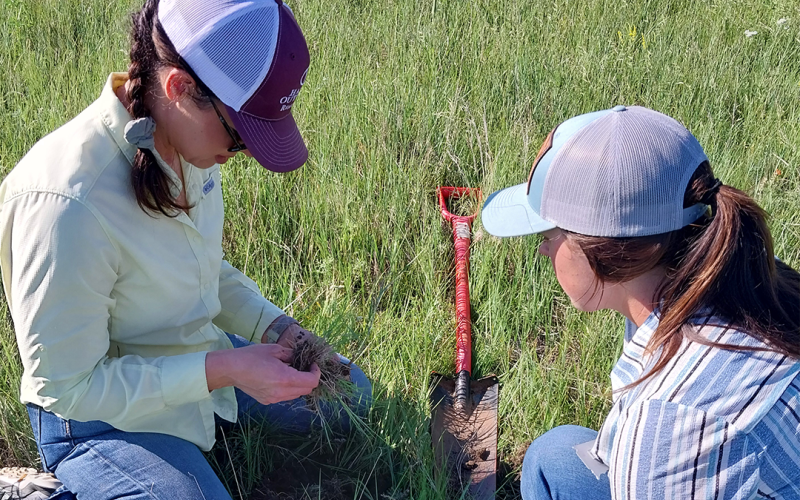
Save the date for SDSU Extension Women on the Range grazing workshop July 22-24
May 20, 2025
Women in agriculture are invited to attend the 2025 South Dakota State University Extension Women on the Range Grazing Workshop on July 22–24 at Wedge Tent Ranch near Faith.
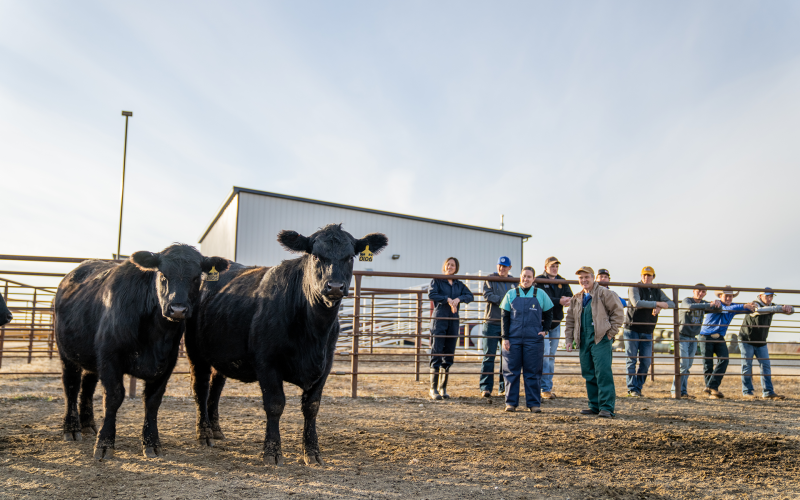
SDSU Extension to host Youth Beef Summit
May 14, 2025
South Dakota State University Extension will host a new event for youth age 12-21 to learn about the beef industry.
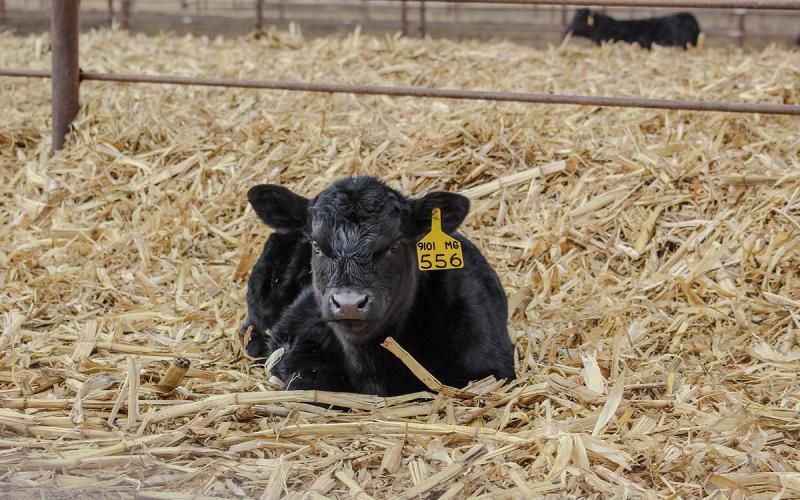
What the Research Says About Pain Control at Castration
Pain management at castration is a topic that will continue to come up as we focus on animal welfare. Research is being done to determine what pain management strategy works best for the castration of beef bulls.
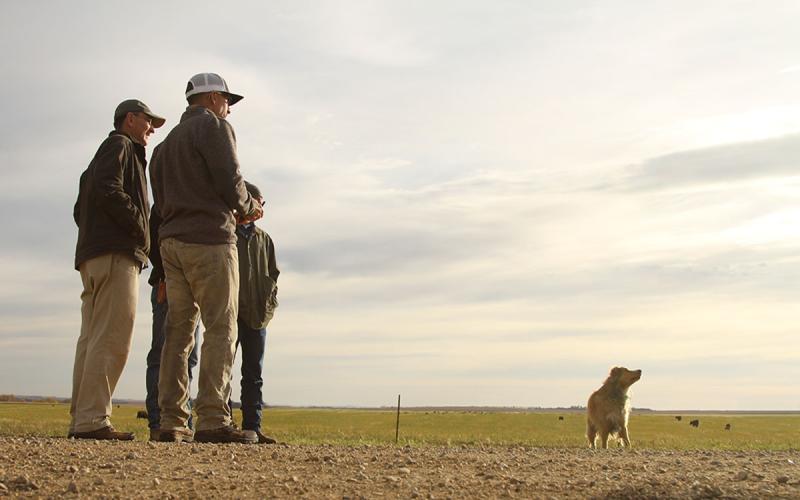
Spring Planting and Grazing Adjustments During Drought
Dry springs mean management changes for both farmers and ranchers as they plan for summer. Learn some important considerations for planting and grazing during a dry spring.

SDSU Extension helps first responders train for crashes involving livestock
April 30, 2025
The first time Brandon Wingert responded to a vehicle accident involving livestock was in 2017 when a livestock trailer with 99 cattle tipped over. They successfully recovered all but four of the cattle, but Wingert, Hanson County’s sheriff and emergency manager, never forgot the incident.
Registration open for 2025 Siouxland Feedlot Forum
April 28, 2025
Registration is now open for the 2025 Siouxland Feedlot Forum on June 17, 2025, in Sioux Falls.
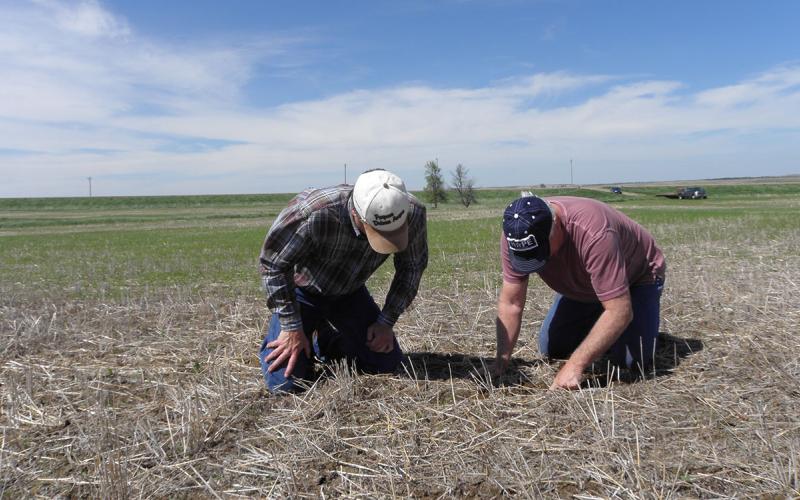
Gearing Up for the Grazing Season: Soil Health
Grazing season is around the corner and preparation before turning out is key. Understanding the intersection between soil health and grazing can help improve the function of your grazing system.