Livestock
All Livestock Content
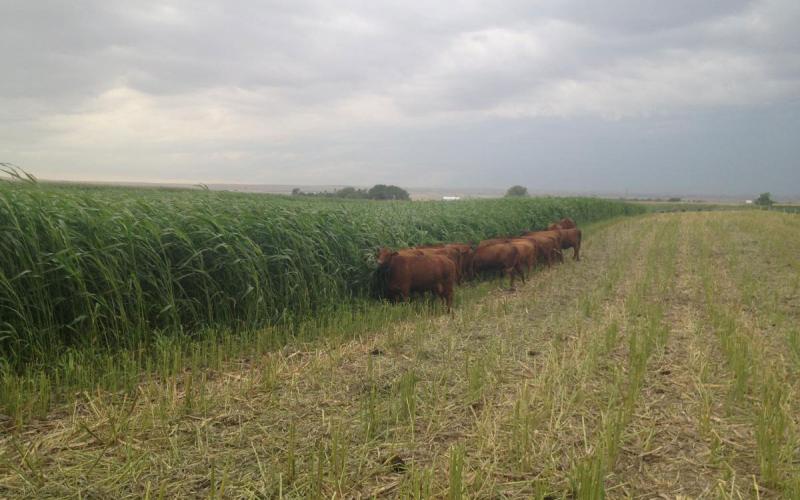
Prussic Acid Poisoning
As the first frost date approaches, producers often have concerns about the risk of prussic acid poisoning in livestock. Certain forage plants, especially sorghums and related species are associated with an increased risk of death loss because of prussic acid poisoning.
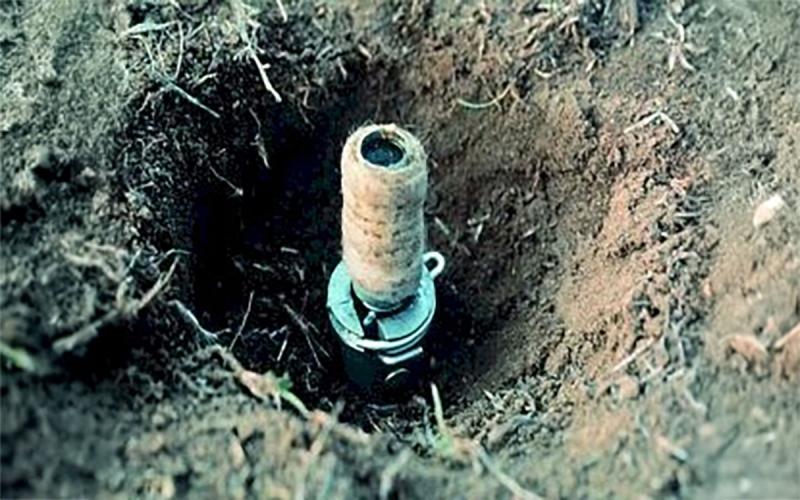
Private Applicator Endorsements for M-44 Devices, Fumigants, and Aerial Applications
Recent changes to South Dakota private applicator pesticide regulations have impacted the requirements to use M-44 predator-control devices, fumigants, and to apply pesticides from aerial vehicles.
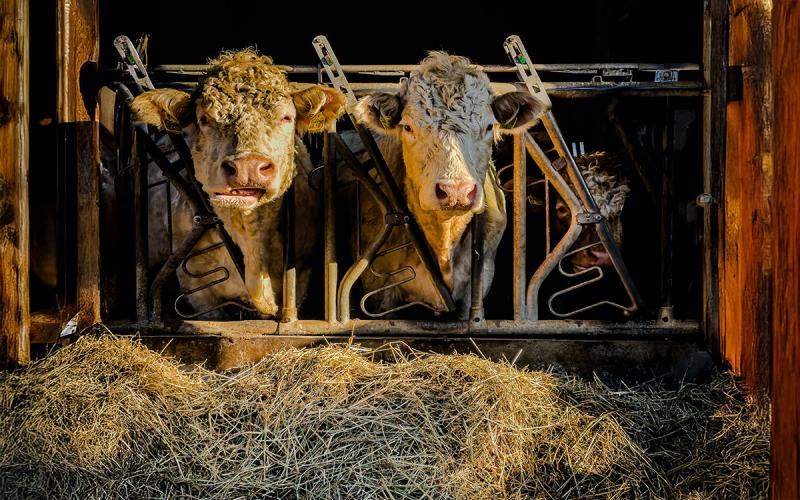
Feed Management for Efficient U.S. Livestock Systems: Introducing the National Animal Nutrition Program’s Feed Management Committee
The National Animal Nutrition Program’s Feed Management Committee brings together experts in animal science, nutrition, and natural resource management to increase awareness and use of livestock feeding management and to address conservation needs.
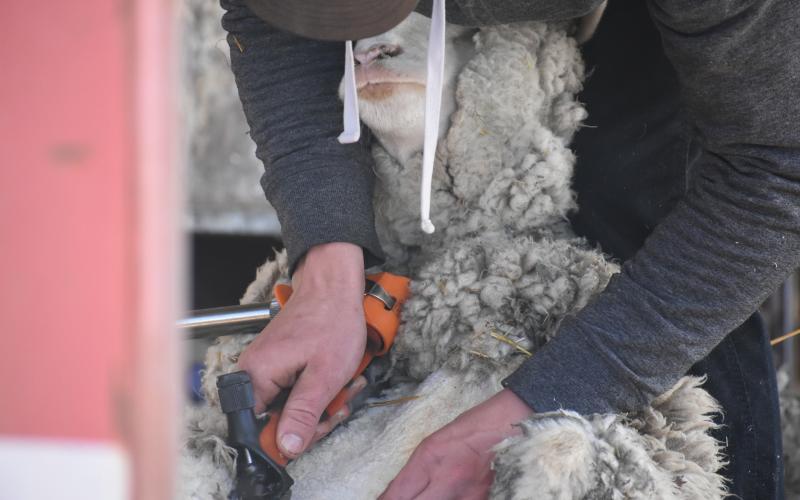
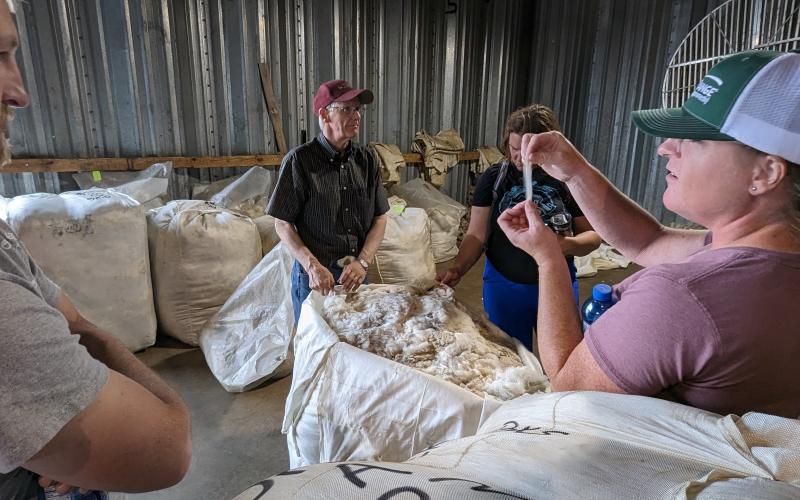
SDSU Extension to host Sheep Shearing School
August 26, 2025
South Dakota State University Extension will teach the skill of sheep shearing to current and prospective producers this fall.
Applications open for SDSU Extension Elevate Ewe program
August 22, 2025
South Dakota State University Extension is inviting beginning sheep producers to apply to the 2024-2025 Elevate Ewe program.
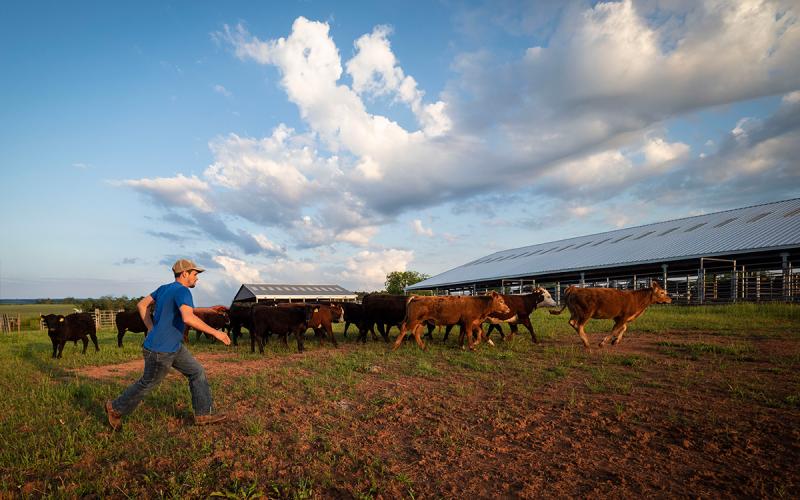
Preparing for the Fall Run
Having a plan in place for weaning and marketing will reduce stress for both your operation and your calves when the grazing season comes to an end and movement of calves begins.
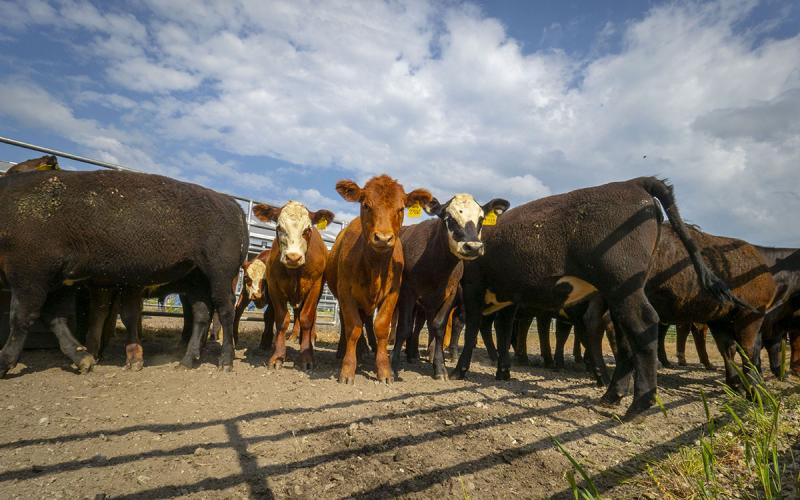
SDSU Extension beef team members receive training to support cattle producers
August 08, 2025
South Dakota State University Extension beef experts recently completed training that will help them continue to support South Dakota’s cattle producers.

Cybersecurity Planning: Securing the Future
With reliance on digital technologies, precision agriculture requires securing data and implementing key strategies to safeguard digital assets and maintain operational integrity and confidentiality.
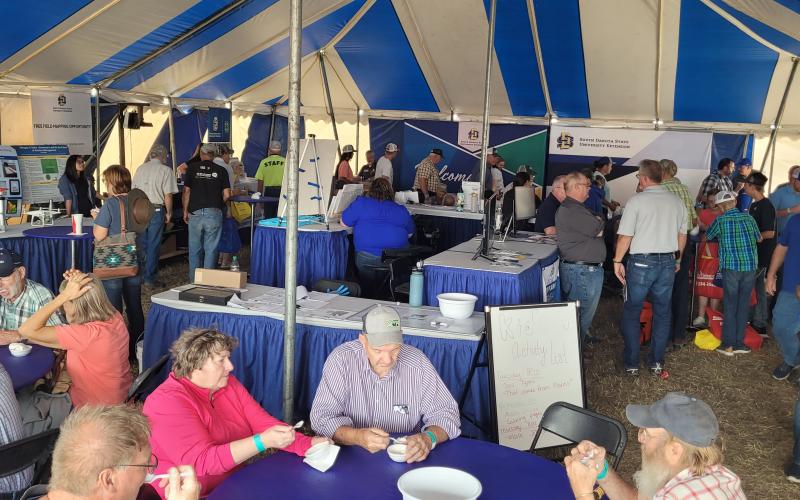
SDSU Extension experts to attend 2025 Dakotafest
August 06, 2025
South Dakota State University Extension experts will attend the 2025 Dakotafest trade show in Mitchell, providing educational resources and hands-on activities for a variety of topics.
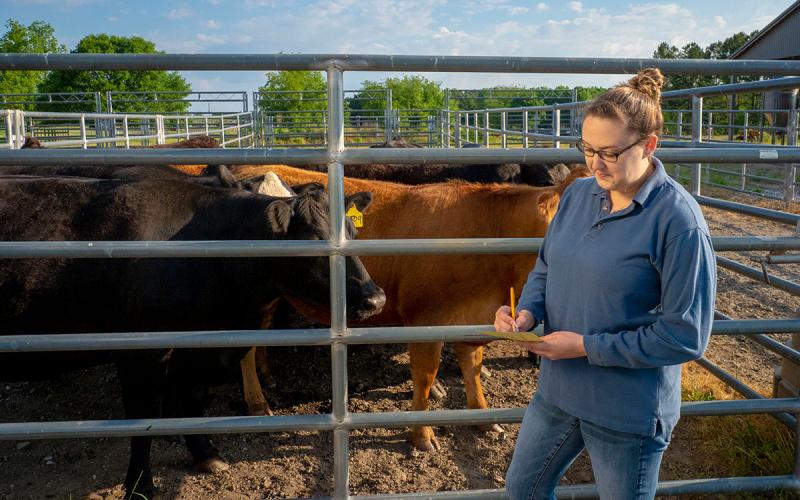
Receiving Management Matters
There are multiple factors that influence cattle help during transportation and receiving. Proper management during these events can avoid negative implications to health and performance.