Farm Management
All Farm Management Content
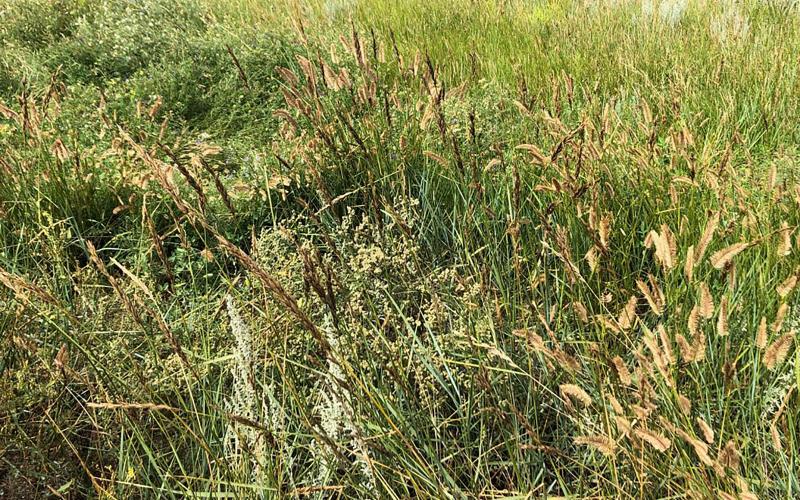
Ergot in Western Wheatgrass and the Potential Effects for Winter Grazing
2019 has been a year fraught with challenges for ranchers across South Dakota. Abundant precipitation is usually a blessing, however, wet conditions coupled with a cool spring followed by warmer temperatures has caused another problem across the rangelands of South Dakota: ergot poisoning.
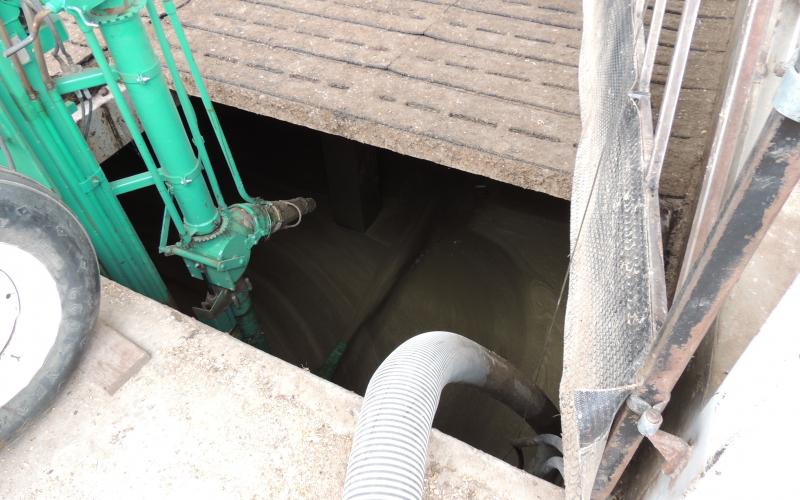
New Technology for an Old Problem
One of the last projects I was involved with as coordinator for the Lower James River Watershed Project was the installation of a deep pit monoslope barn for a feedlot operation near Alexandria, SD. A deep pit confinement barn is a manure storage system that employs slatted flooring with pit manure storage underneath.
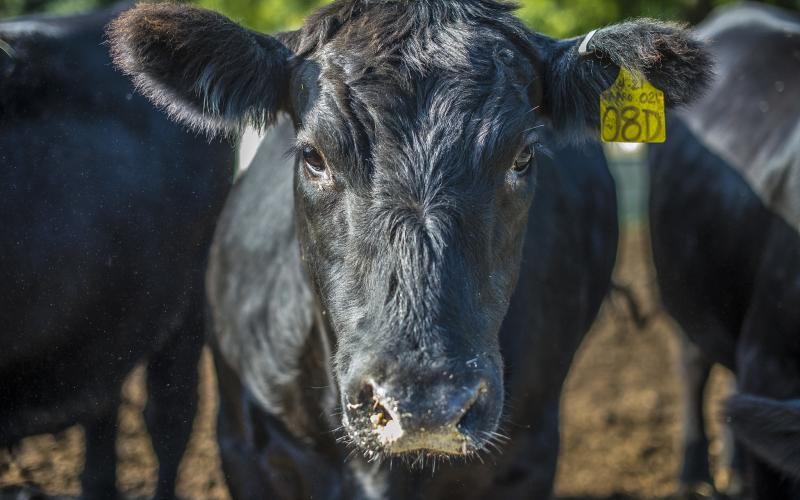
Foot Problems in the Feedlot
While we usually think of foot problems in feedlot calves occurring in conjunction with warm, muddy conditions, wintertime also brings a certain set of conditions that can create lameness in these animals.
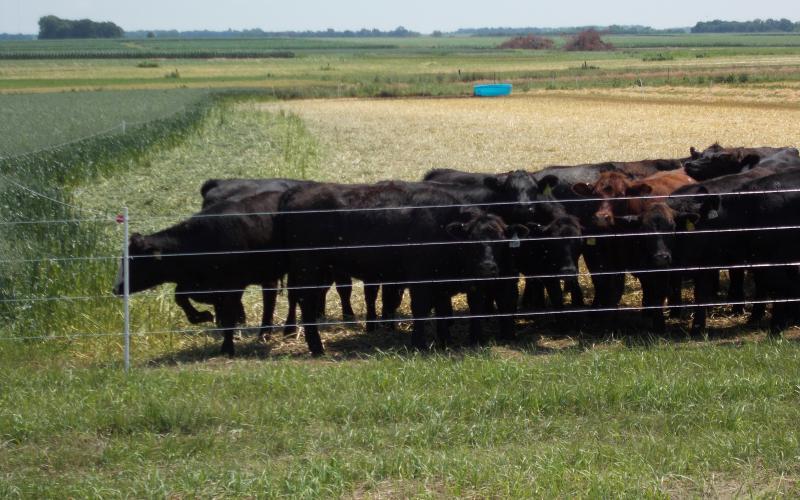
Weaning Calves on Cover Crops
What do we do if it is time to wean calves, but the pen isn’t ready? That can be a real concern during wet fall seasons, such as 2019. Putting calves into muddy pen conditions is far from desirable, but holding calves on the cows deep into fall increases the risk of adverse winter weather and tends to pull body condition off the cows.
And They’re Off! Winning the Calf Starting Race
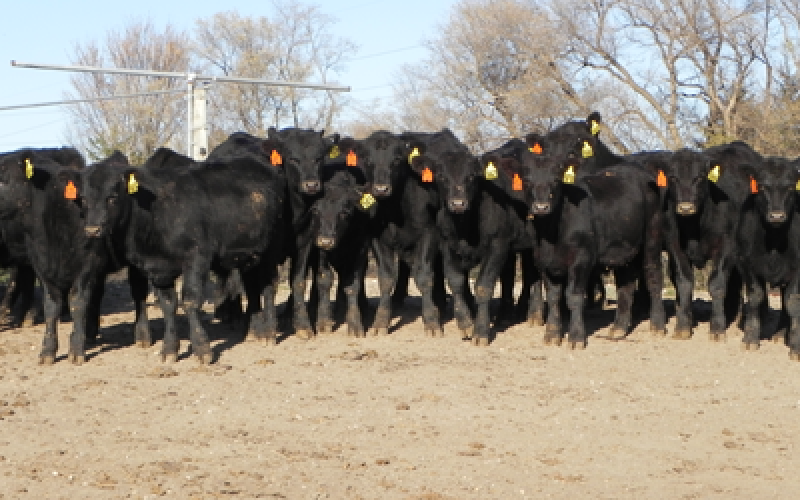
Feeding cattle successfully is a bit like a horse race; a bad start can doom the chances of winning. Getting calves off to a great start is crucially important if we want to maintain health and performance throughout the feeding period.

It’s Time to Scout for Alfalfa Weevils
The 2018 and 2019 alfalfa weevil populations were relatively low, and as a result, we didn’t receive very many calls regarding this pest during those years. However, 2020 has been quite a bit different, and alfalfa weevil populations seem to be much higher.
Alfalfa Weevil Activity Prediction Update: June 1, 2020
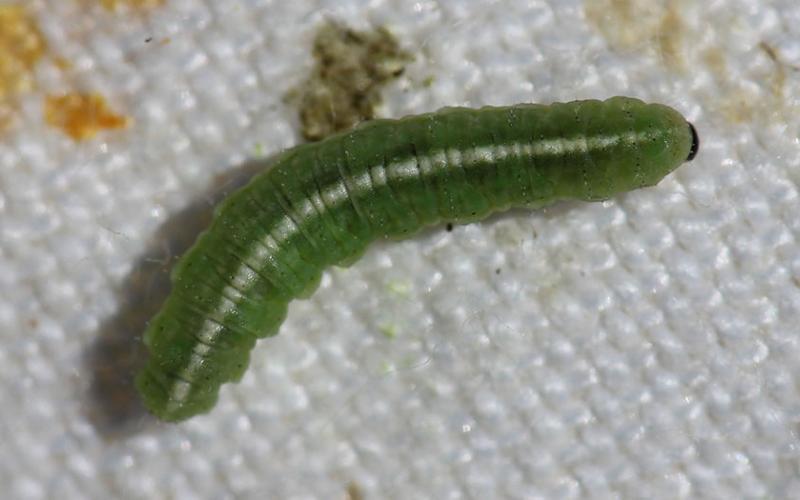
Activity of alfalfa weevils has been documented in many areas of South Dakota during the last week. At this time, the entire state has accumulated enough degree days for alfalfa weevils to be active.
Prevent Plant: Its Effect on Fall and Spring Fertilizing Plans
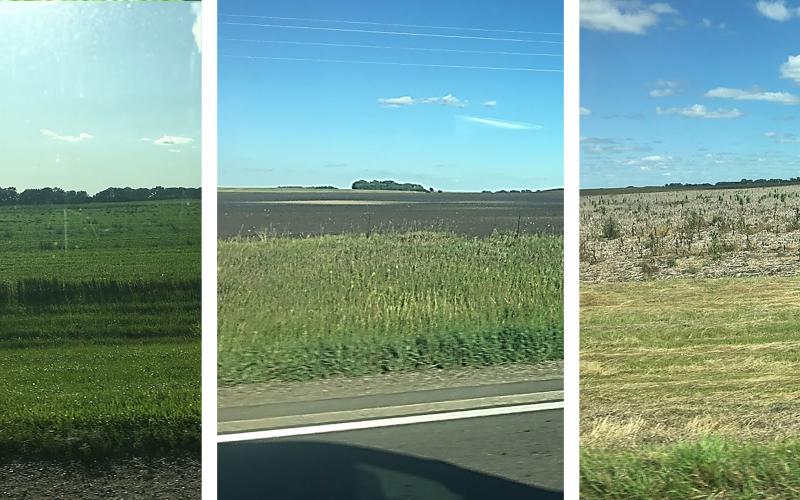
Driving around South Dakota, you can see the many acres that farmers were not able to plant. Now that fall soil-sampling season is well on its way, many people have questions regarding how different situations of prevented planting will affect soil sampling and fertilizer application needs.
Alfalfa Weevil Activity Prediction Update: May 4, 2020
Temperatures continue to increase across South Dakota and the degree days are rapidly accumulating. With the exception of areas around Selby, Sisseton and Brookings, alfalfa weevil activity is likely in South Dakota.
Dealing With Alfalfa Winter Kill
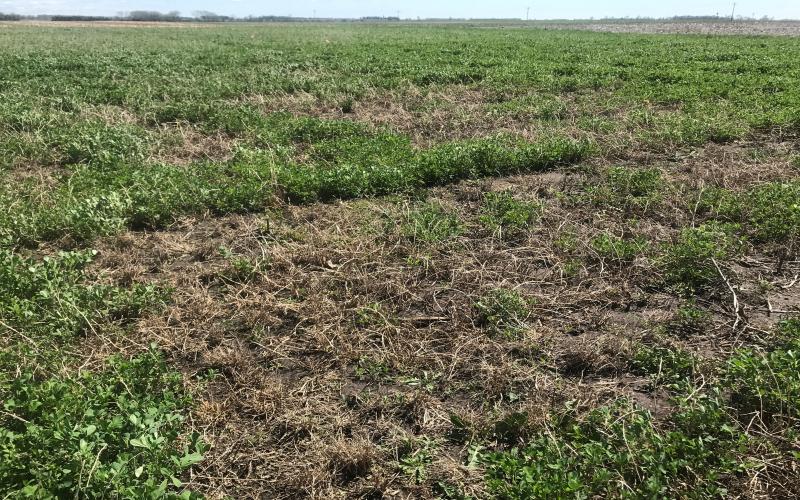
Winter kill and general stand loss of alfalfa has specifically been of concern in many parts of South Dakota the last two years. Most observed alfalfa winter kill is due to low, wet or flooded areas where plants were suffocated and died over the winter.