Farm Management
All Farm Management Content
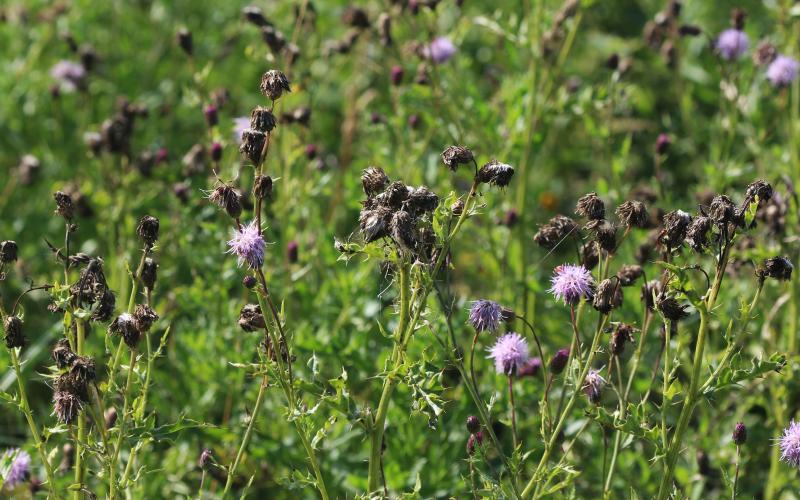
Fall Noxious Weed Control
Fall weed control can give the best weed control, but it also can be a poor time. If the noxious weeds were sprayed or clipped earlier this summer, and there is good weed growth now, this would be an excellent time to spray these weeds and get a good kill.
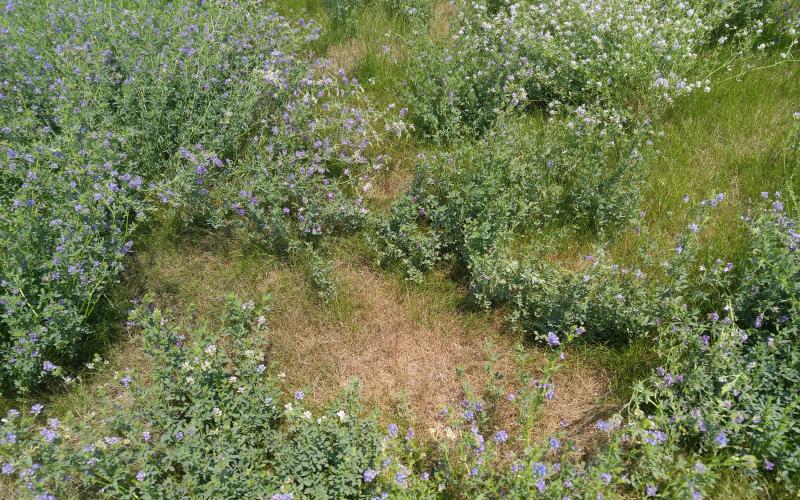
Scouting for Grasshoppers in Pasture and Alfalfa
For 2019, we have either received reports of very high grasshopper numbers or of very low or nearly absent populations. Most reports of high populations have originated from areas near rivers and other waterways. This suggests that the rich foliage along the banks of waterways has provided excellent habitat for grasshoppers and has boosted their populations in those areas.
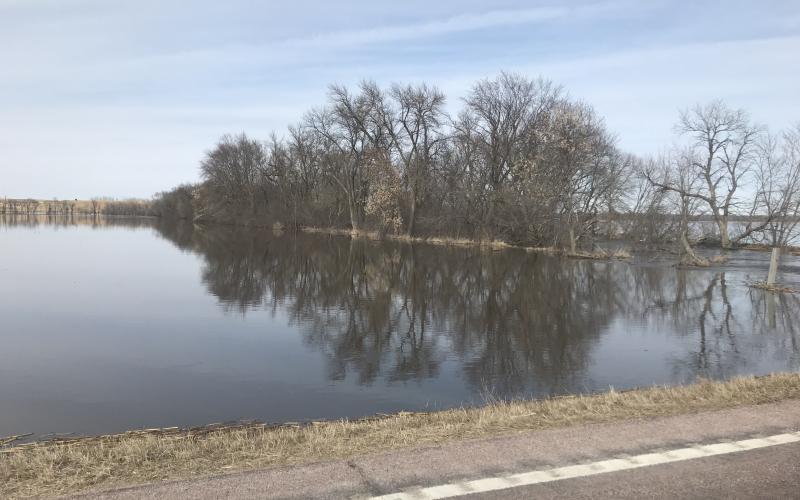
Managing Flooded Alfalfa
As floodwaters rise again in parts of South Dakota, spring planting seems to feel further and further away. One crop that is often overlooked in the hustle and bustle of the approaching planting season is alfalfa.
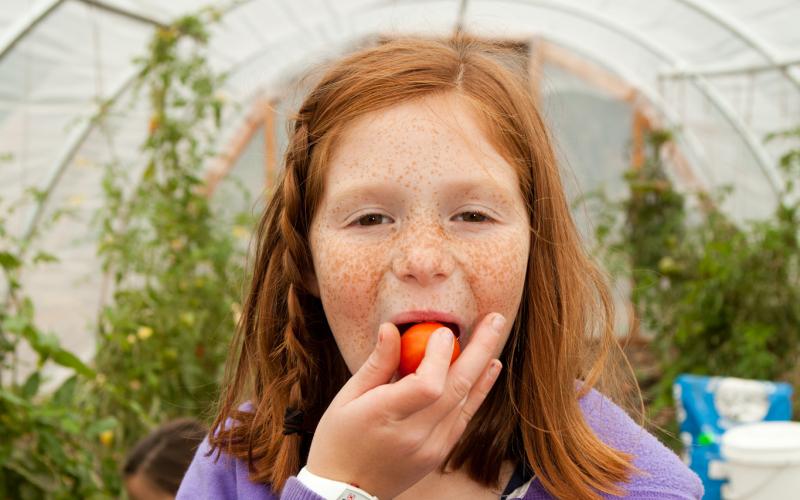
Agritourism
When a producer has decided to sell a product directly from the farm, entertainment or tourism-based activities could be incorporated to create larger appeal. Agritourism could add value to the farm visit though education, entertainment, outdoor recreation, dining, relaxation or other avenues, potentially drawing more customers in.
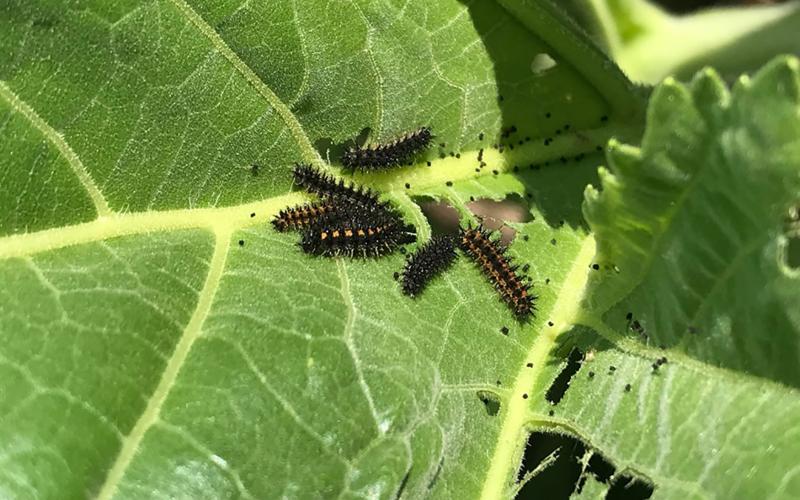
Checkerspot Caterpillars in Sunflower
While scouting sunflower near Sturgis this week, we came across outbreak levels of checkerspot caterpillars that were defoliating the plants. Similar sightings have been reported throughout Western and Central South Dakota in recent weeks.
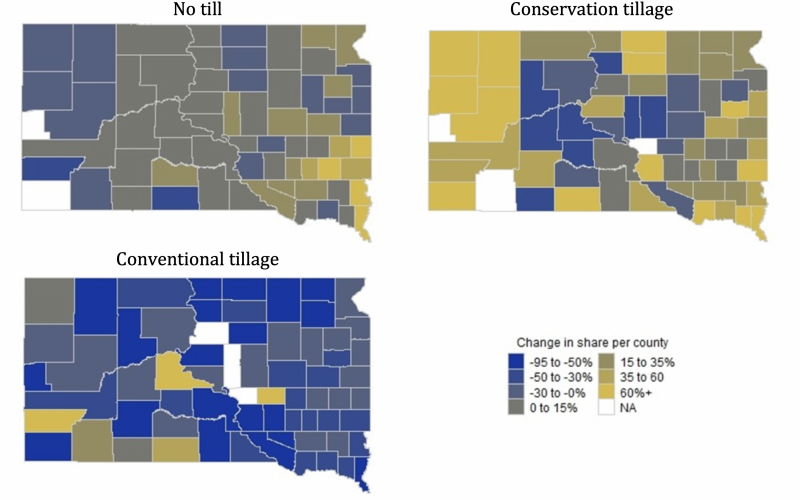
Soil Conservation Practice Adoption Status at the S.D. County Level: 2012–2017
An increasing number of farmers across the state of South Dakota have adopted different soil conservation practices such as no-till, conservation tillage and cover crops. Over time, these practices play significant roles in improving soil health and increasing soil resilience towards extreme weather conditions.
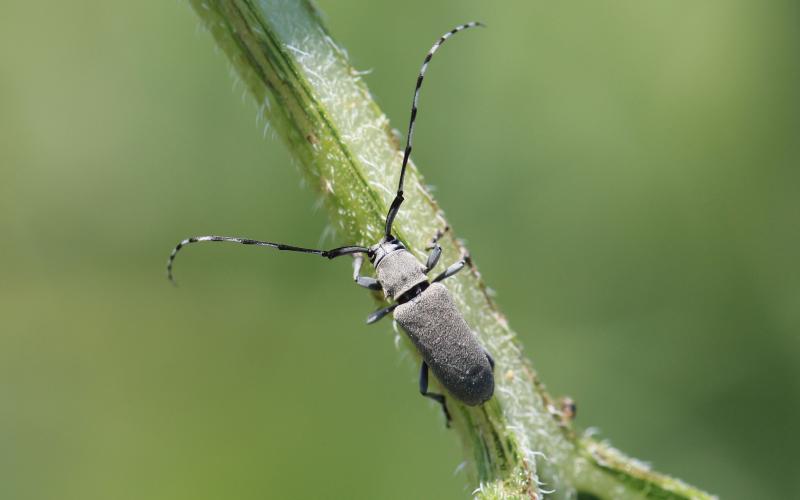
Dectes Stem Borer Adults Active in Sunflower
In South Dakota, one of the insects that is commonly observed in sunflower is the Dectes stem borer larva. At this point in the season, adults are beginning to become active with females laying eggs in sunflower plants.

Flea Beetles Defoliating Canola in South Dakota
This year flea beetle emergence is behind schedule, but so is a lot of the canola emergence. We are observing very large flea beetle populations on late-planted canola that is just emerging. As a result, much of this canola is being heavily defoliated and will likely require foliar insecticide management.

Plant Bugs Showing Up in Alfalfa Fields
Plant bugs are now becoming active in alfalfa fields across the state. A common question we receive is why some of these bugs looks so different from others. There are actually three different types of plant bugs that commonly appear in alfalfa fields: meadow plant bugs, Lygus bugs (aka tarnished plant bugs), and alfalfa plant bugs.
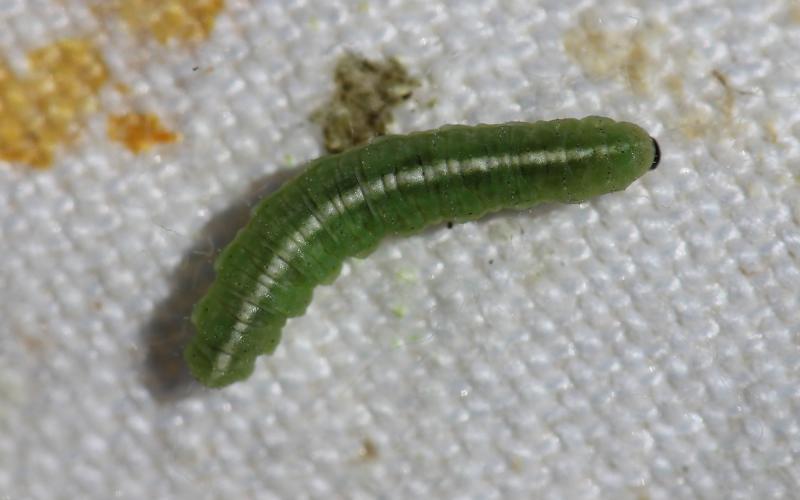
Alfalfa Weevil Activity: June 7, 2019
Quite a few degree days were accumulated over the course of the last week. Alfalfa fields should be closely monitored for alfalfa weevil activity for the next couple of weeks, even in areas where degree days indicate the alfalfa weevils are pupating.