Farm Management
All Farm Management Content
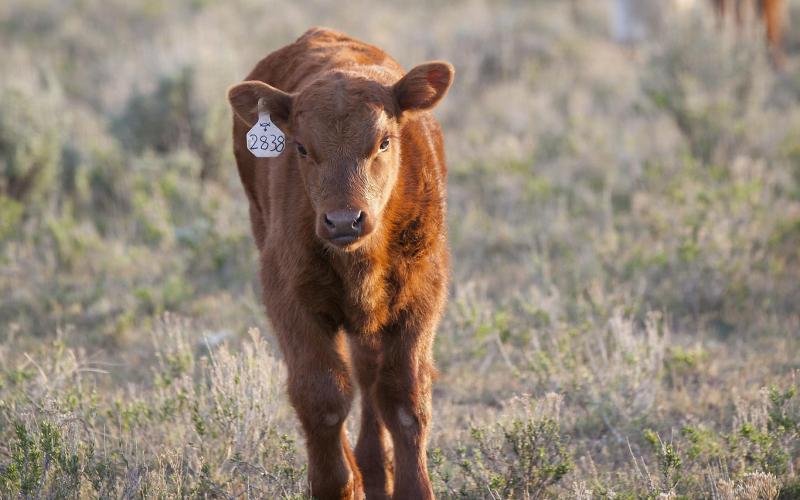
Managing Light-Weight Calves
Weaning calves early is a powerful management tool to reduce demands on range and pasture.
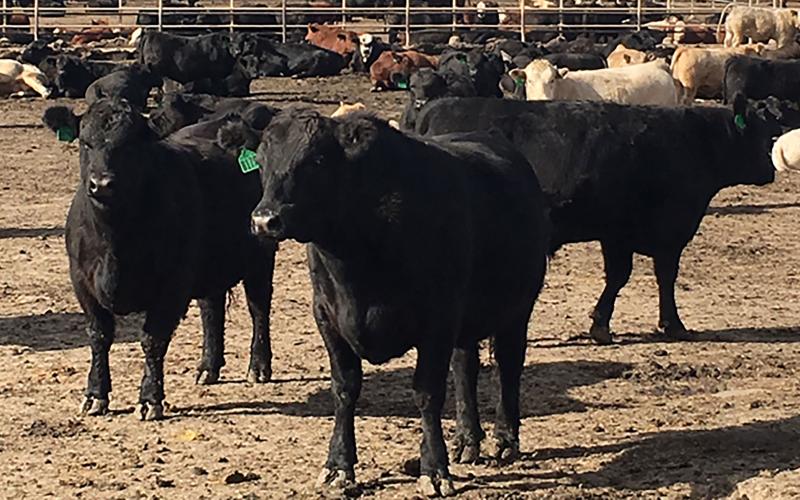
Drylotting Cow-Calf Pairs
Whether because of reduced forage production caused by drought, or increased competition for grazing acres, feeding lactating cows in a drylot is being at least considered as an option by more ranchers.
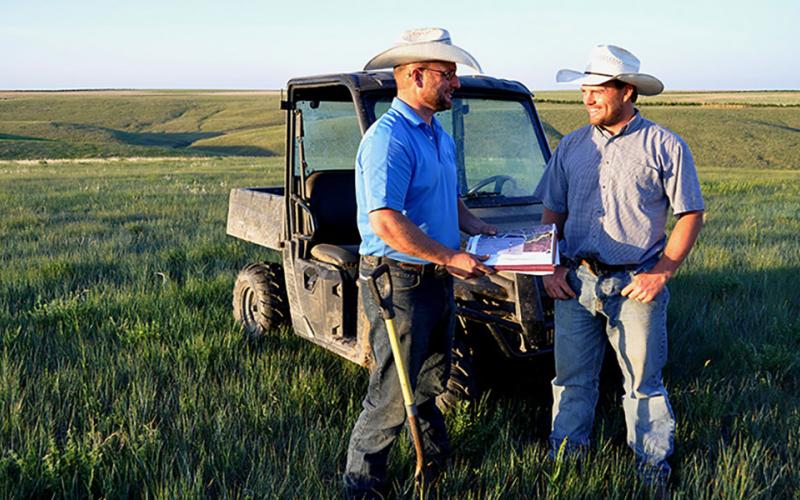
The Importance of Math in the Art of Grazing
It might seem a bit silly to check in on your stocking rate calculations, but it is something that is undoubtedly worth your time, whether you’re a seasoned rancher or you’re still trying to get your feet under you.

Aphid Populations Are Starting to Show up in Corn
Small populations of aphids are starting to show up in corn fields, which could be problematic if the populations continue to grow. During dry seasons, they can have a greater impact on corn.
SDSU Extension to Host Final Pesticide Education Opportunity
March 31, 2021
As opportunities to obtain 2021 Private Applicator Certification in South Dakota wind down, SDSU Extension is offering a final online pesticide education course Thursday, April 8 from 6–9 p.m. CST.
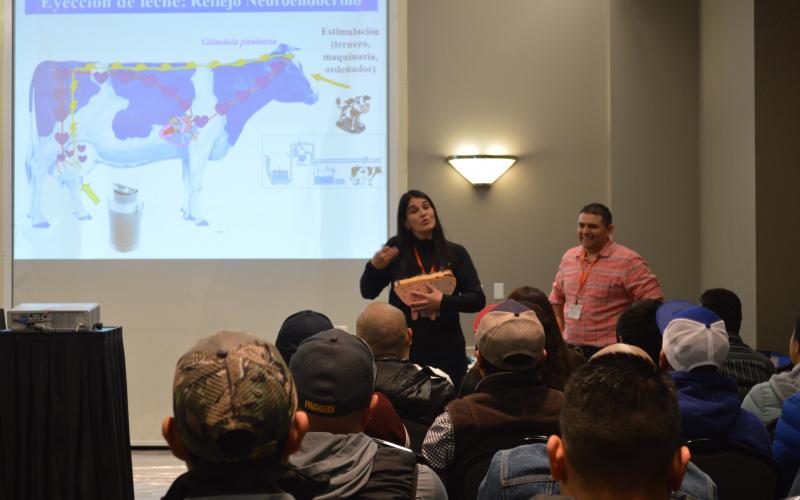
SDSU Extension to Cover Dry Cow Therapy in Spanish at CPDE
March 18, 2021
SDSU Extension will once again offer educational programming in Spanish at the 2021 Central Plains Dairy Expo in Sioux Falls.
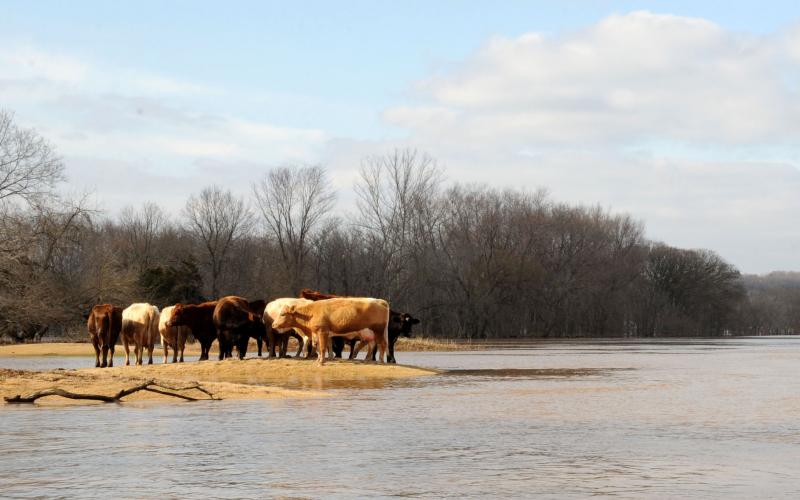
Preserving Your Ability To Care for Your Animals When Flooding Occurs
When winter snowfall begins to melt, severe spring flooding can be a real possibility. Of the people witnessing the rising water, livestock producers and other animal caretakers have perhaps the most daunting task.
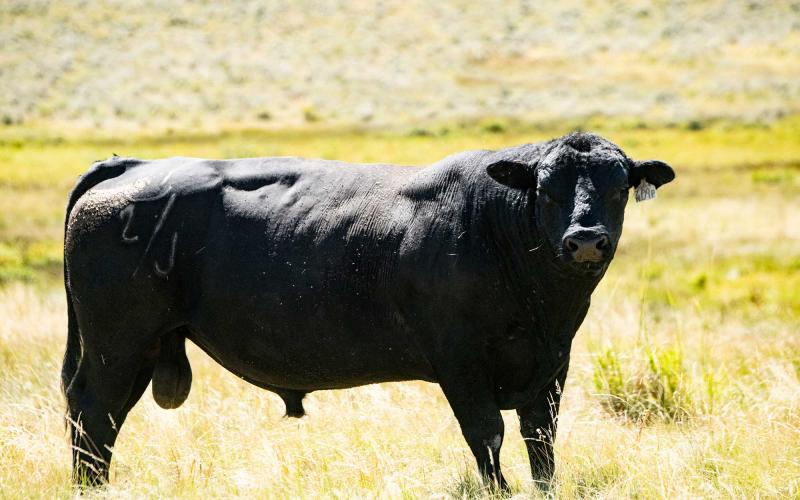
Bull Nutrition
This publication focuses on nutrient requirements for developing bulls, feeding programs to “let down” overconditioned bulls, and feeding during the period between breeding seasons.
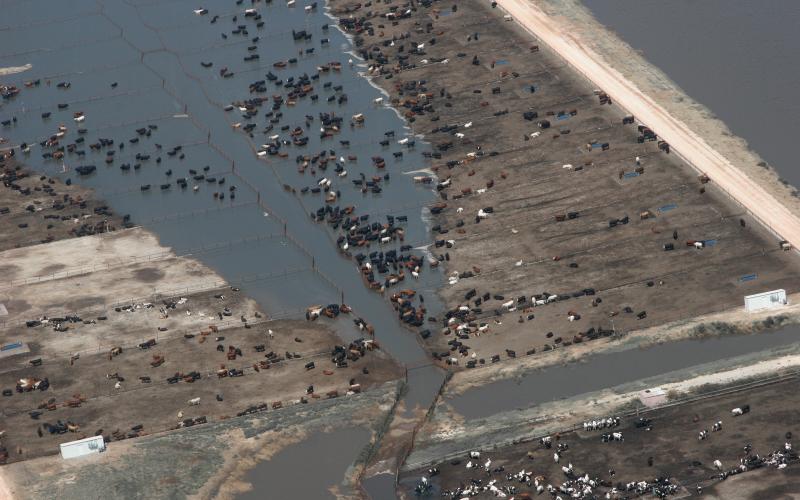
Dealing With Spring Mud and Flooding
As the snow melts, we are going to be left to deal with mud at a minimum and extensive flooding as a possible worst-case scenario. While we can’t control the pace of melting or the possibility of additional precipitation, we may be able to take a few steps to mitigate the negative impacts.
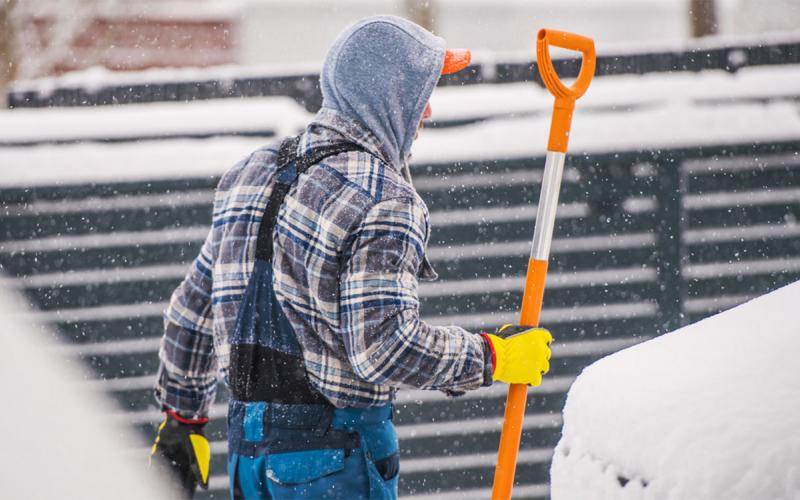
Consejos Básicos Para los Trabajadores de Lecherías de Cómo Afrontar el Invierno del Medio Oeste
Los inviernos fríos y nevados son un desafío para los trabajadores de las granjas lecheras, especialmente para aquellos inmigrantes que provienen de climas más cálidos donde las temperaturas raramente descienden a un solo dígito.