Farm Management
All Farm Management Content
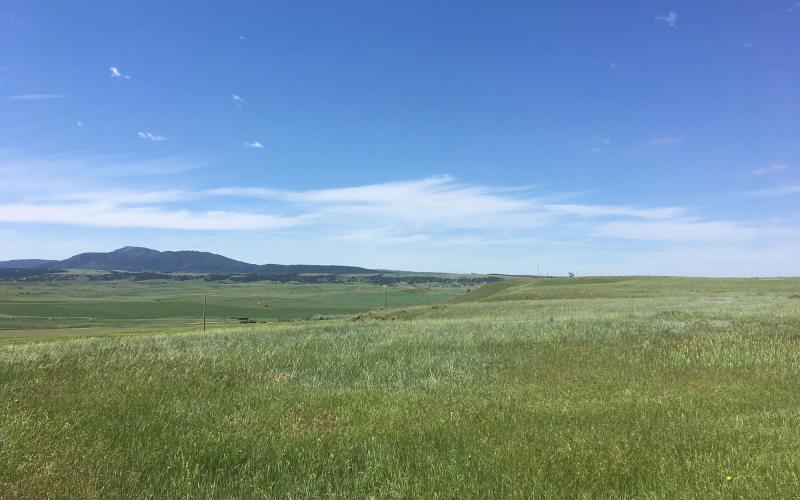
'Good, Bad and Invasive Plant Tour' set for June 3
May 28, 2021
This year's tour will take place on June 3 from 9 a.m. to 3 p.m. (CST) at Sica Hollow State Park near Sisseton.
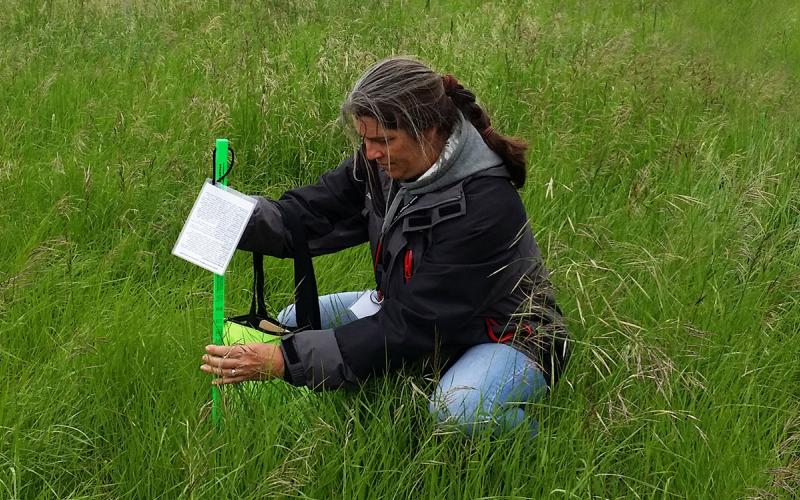
Using the ‘Grazing Stick’ To Assess Pasture Forage
Assessing pasture forage is a key step in planning grazing strategies. A grazing stick is a tool that uses simple math and measurements to determine herd size, stocking rates and available grazing days. We will address how to use a grazing stick in this article.

Focus on Grazing Management, Not Grazing ‘Systems’
Focusing only on the system and forgetting the fundamental truths of grazing will break any grazing strategy. Producers should instead focus on intensive management, making informed decisions based on the current conditions.

SDSU Extension to Host Summer Farm Stress Series
May 24, 2021
South Dakota State University Extension is launching additional virtual farm stress workshops to promote mental health awareness from May throughout the summer.
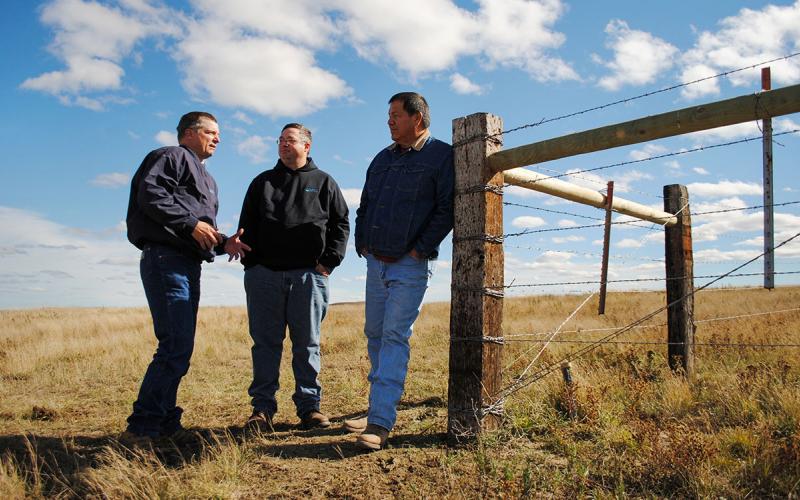
Fall Is the Time To Plan for Fire
Fall is the time to begin planning for spring prescribed fire. This article examines the three primary components to a successful burn: burn unit preparation, burn planning and burn implementation.
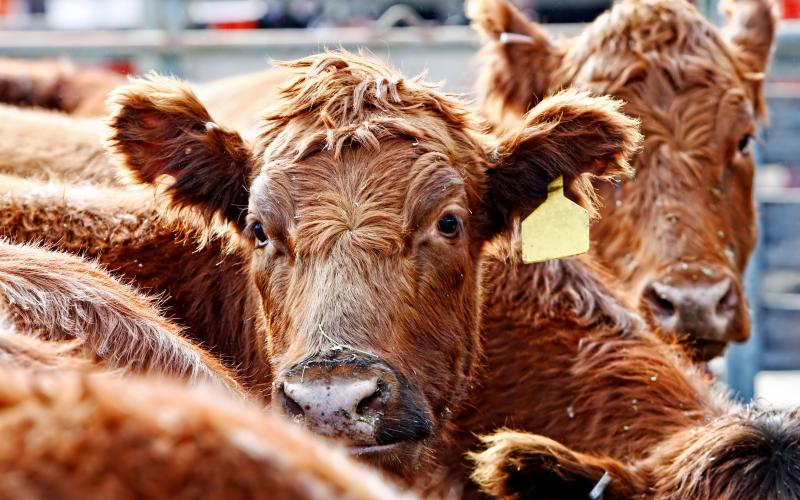
2021 Beef Cow Synchronization Protocols
The Beef Reproduction Task Force has developed recommended synchronization protocols for producers that will provide optimal pregnancy rates based on research and field use for both conventional and sexed (gender-selected) semen.
Using the Estrus Synchronization Planner
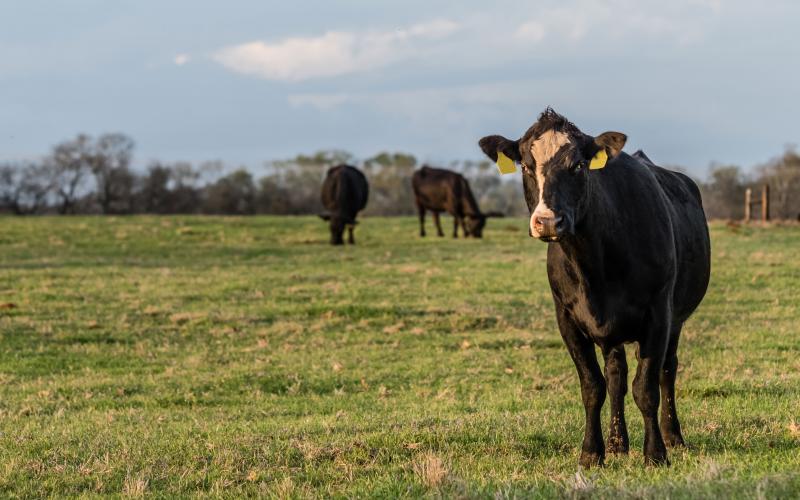
The Estrus Synchronization Planner has been available since 1998, developed by Iowa Beef Center. It has evolved over the years, proving to be an effective and easy tool to help select and implement synchronization protocols.
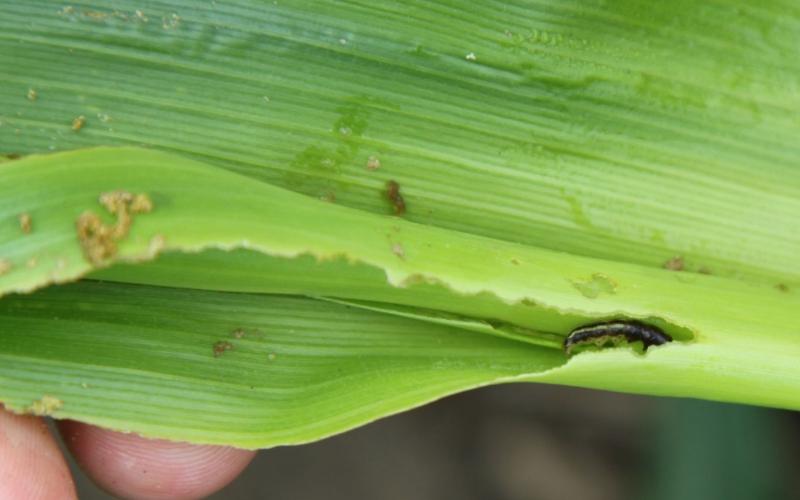
Common Stalk Borer Activity Update: June 6, 2019
It finally warmed up and the insects have definitely become more active. However, our calculations indicate that not enough degree days have been accumulated for common stalk borer activity to warrant any scouting, but spraying field edges should be avoided through most of South Dakota in the next week.
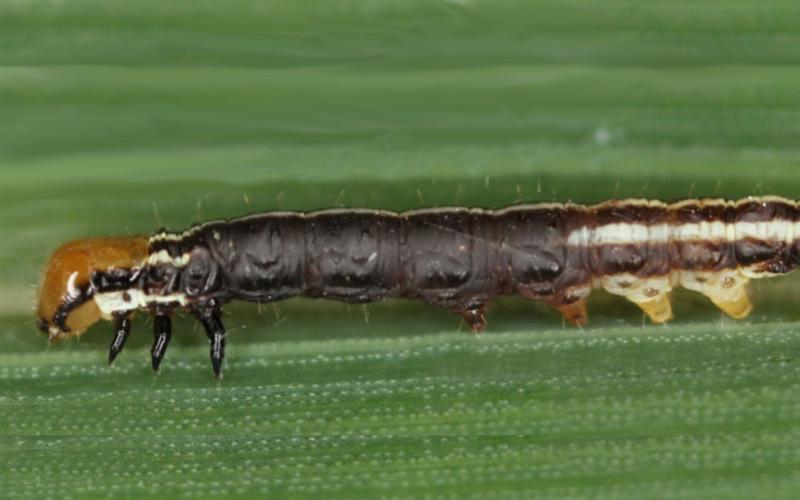
Common Stalk Borer Activity Update: May 30, 2019
Another cool, wet week has led to a limited accumulation of degree days. Based on our calculations, common stalk borer activity still doesn’t warrant any scouting, but spraying field edges should be avoided around Hot Springs, Winner and Vermillion.
Common Stalk Borer Activity Update: May 23, 2019
Not too much is new regarding common stalk borer activity when compared to last week. Another cool, wet week has led to a limited accumulation of degree days. Based on our calculations, common stalk borer activity still doesn’t warrant any scouting. We will continue to monitor the degree days and provide updates.