Farm Management
All Farm Management Content
Water Conservation and Efficiency During Times of Drought
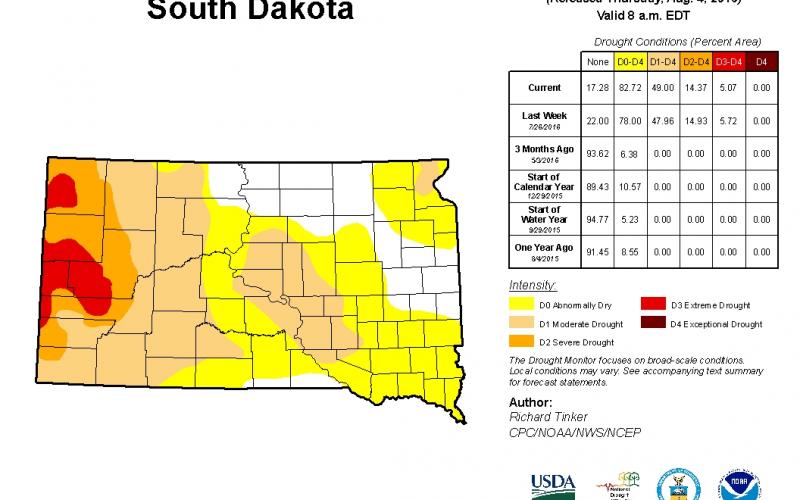
As drought conditions continue to expand across the state this year, more thought is given towards South Dakota’s limited water resources. We live in a state where weather conditions and rain patterns seem to comfortably exist at the extremes; we either have way too much or nearly not enough. While this isn’t always the case, it is important to keep in mind that our water resources are finite and all of us should be thinking about doing what we can to protect them.
Natural Resources: The Ranch Foundation During Drought
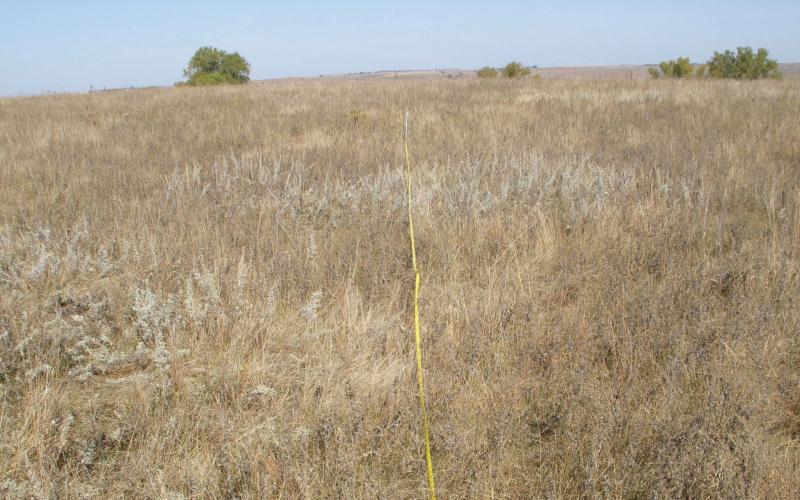
Just as every factory needs a sturdy and healthy foundation to be sustainable, a ranch manager must keep a watchful eye on the natural resources of the ranch during drought.
Stretching Corn Silage Supplies
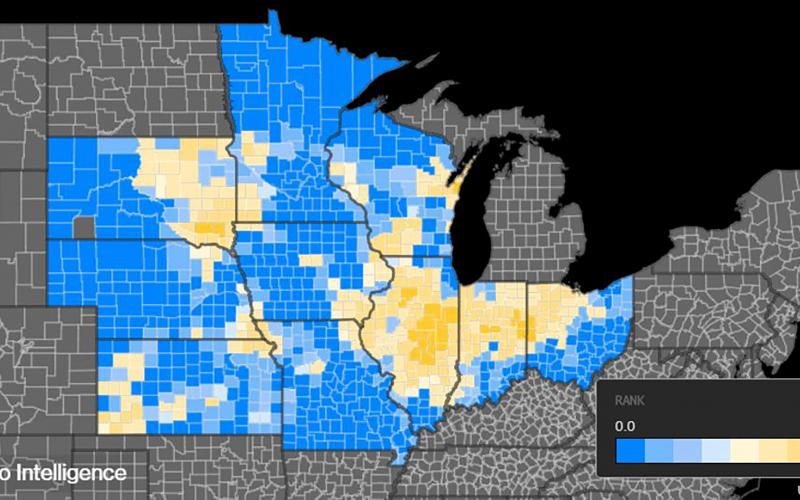
During the 2002 drought there was a need to stretch corn silage supplies as a result of the drought that affected the U.S. Now we deal with the opposite scenario, where excessive spring rains have not allowed farmers to get to the fields. In both situations livestock producers face challenges.
Making Use of “Ugly” Feeds
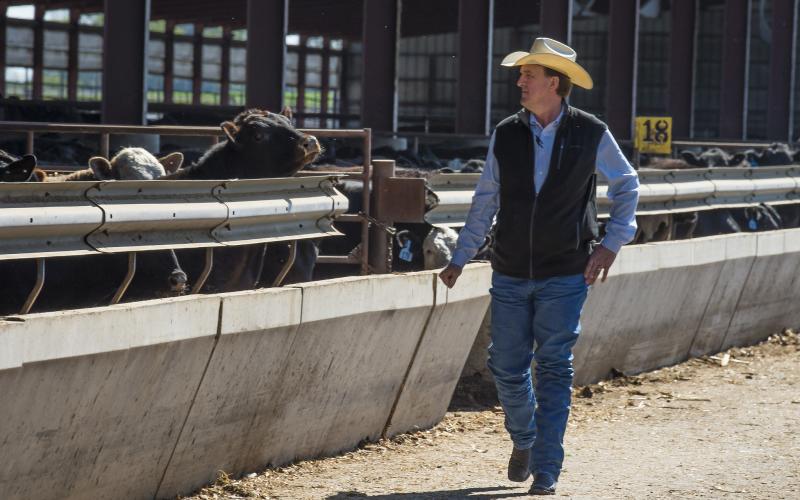
Feed does not have to be perfect to be useful. The key to making smart feeding decisions is knowing what the imperfections are and adjusting accordingly.
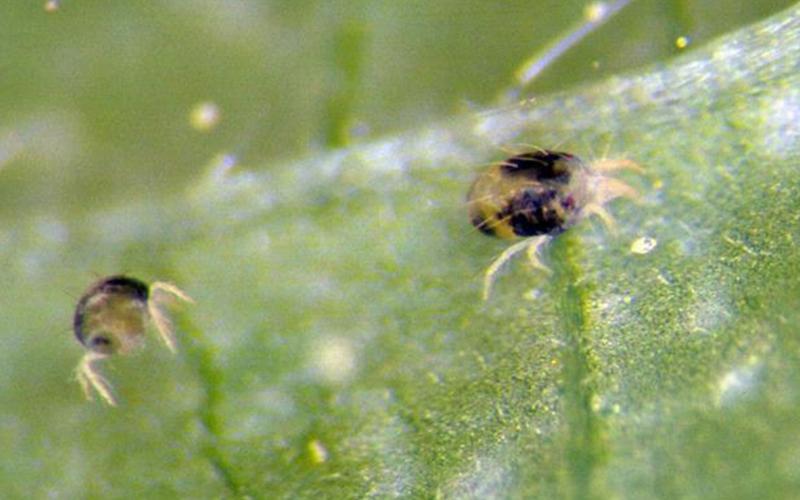
Dry Conditions Are Ideal for Spider Mite Activity
Several counties in South Dakota are experiencing dryer than normal conditions, therefore, it is important to monitor crops for spider mites, as they thrive during periods of dry weather.
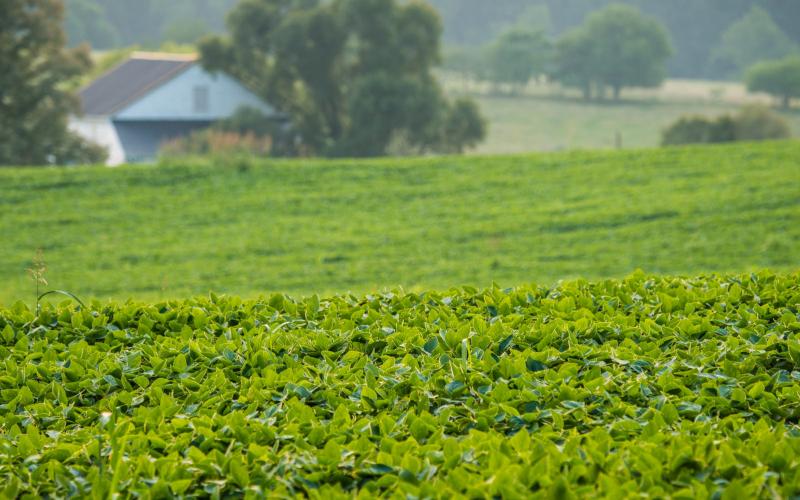
Soybeans & Sunflowers: Alternative Cattle Forages
Alternative forages like soybean silage or hay, and sunflower silage, can help stretch conventional forage supplies and help avoid overgrazing pasture.
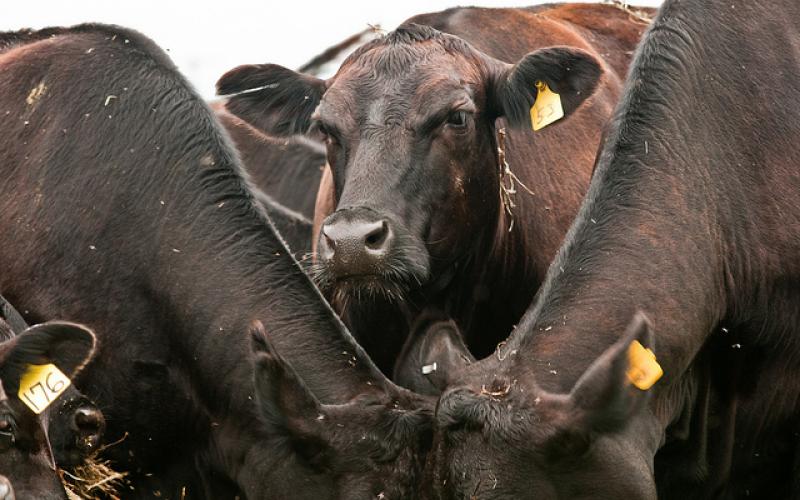
Feeding Drought-Stressed Crops to Cattle
Can drought-stressed crops be be utilized as feed? The answer is yes, if we know what the levels of nitrates are in the feedstuffs in question.
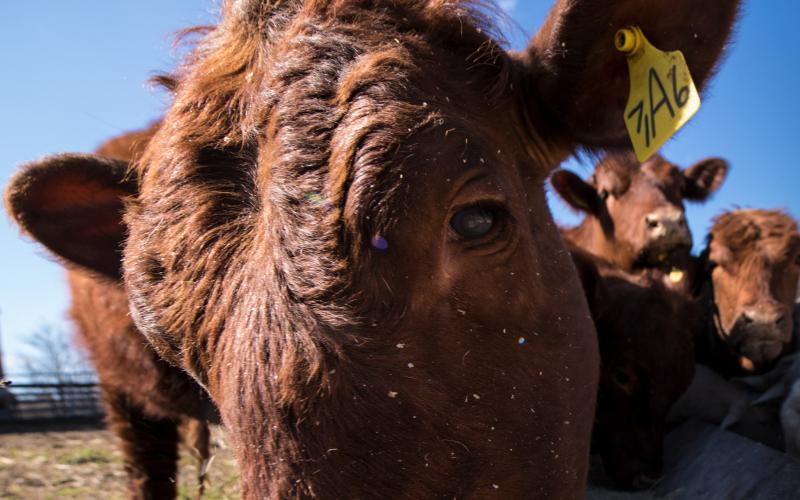
Limited Forage: What Are Some Alternatives?
Research has shown that a variety of feedstuffs can be utilized to meet the cows’ nutrient requirements with similar performance to hay or hay plus supplement ration.
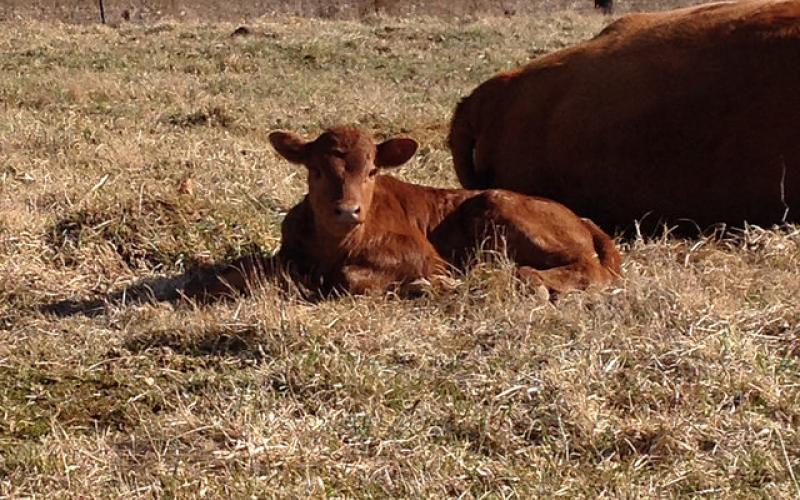
Early Weaning as a Drought Management Strategy
Successfully managing drought conditions requires balancing the amount of forage demanded by grazing livestock with the amount produced.
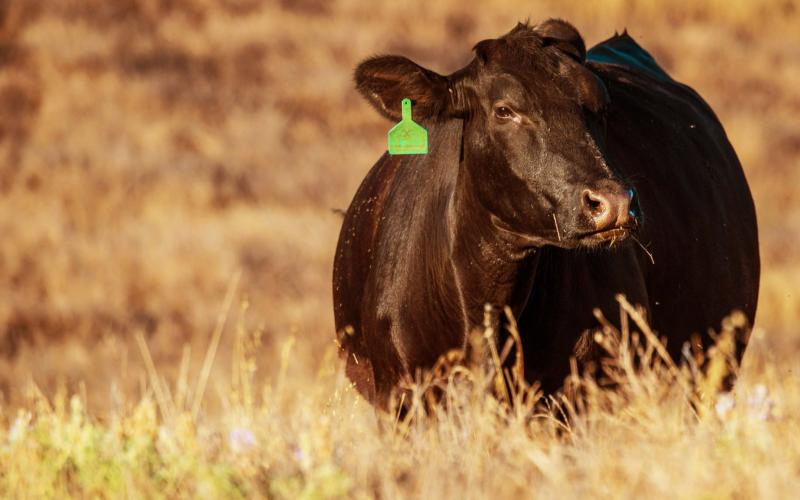
Hot Weather Challenges Beef Cattle
Hot weather conditions create challenges for grazing beef cattle.