Farm Management
All Farm Management Content
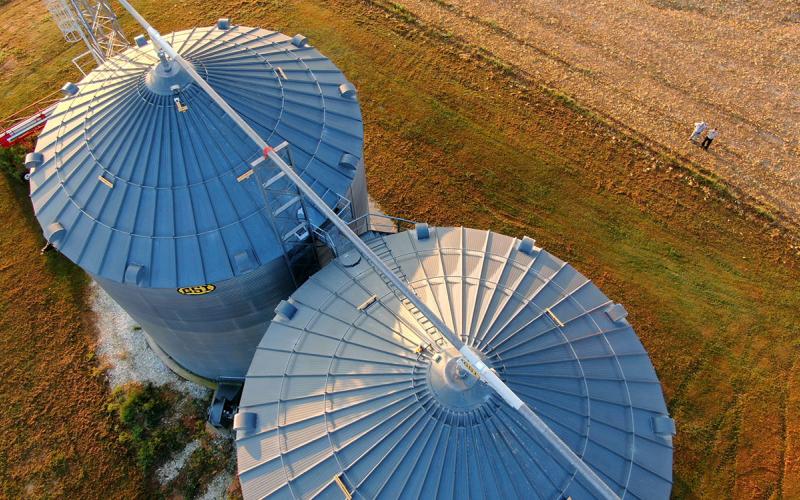
Managing Production Costs To Boost Soybean Profitability
Soybeans are one of the major crops in South Dakota in terms of both acres planted and sales values. To determine the potential to increase net profit from soybean production, individual producers are encouraged to compare their own yields and input costs with benchmark levels.
SDSU Extension to Host Sustaining the Legacy Virtual Conference
November 13, 2020
SDSU Extension will host a Sustaining the Legacy virtual conference on December 2, 9 and 16 from 6:30 p.m. to 9:30 p.m. CST each evening.

Financial Measures for South Dakota Farms
Farm and ranch businesses have a sizeable investment in equipment, buildings, land, and livestock. These investments require their owners and managers to remain knowledgeable about the financial condition of their business. The information to calculate measures of financial performance can be found in their farm record books or accounting system.
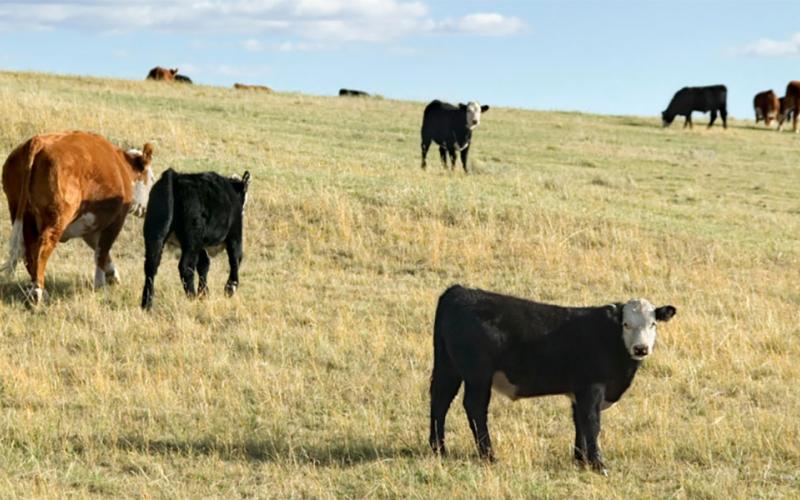
Barriers To Rotational Grazing: Perceptions From Ranchers in the Dakotas
Despite the potential benefits of rotational grazing, its adoption rate has stagnated in recent years. To help understand major barriers faced by producers towards rotational grazing, we conducted a survey among ranchers in the U.S. Great Plains.
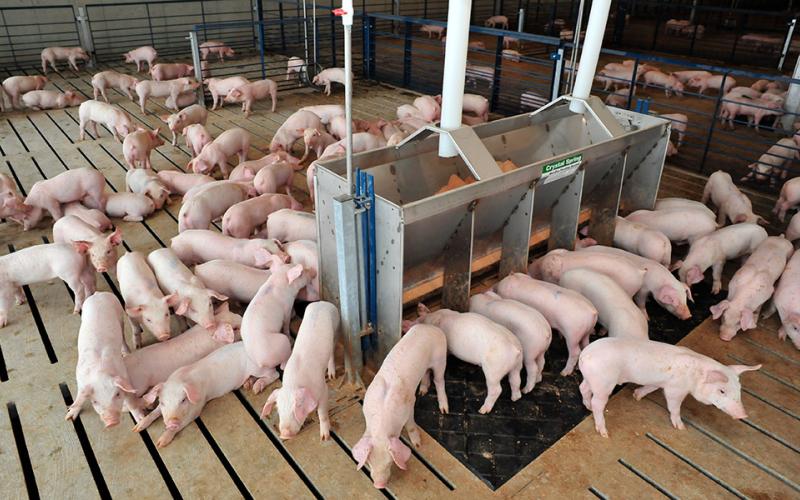
Wean-To-Finish Production Systems Evolve for Healthy Pigs
An important foundation of the efficiency of modern pork production is the industry emphasis on biosecurity. Wean-to-finish barns may provide better biosecurity than separate nursery and grow-finish facilities.
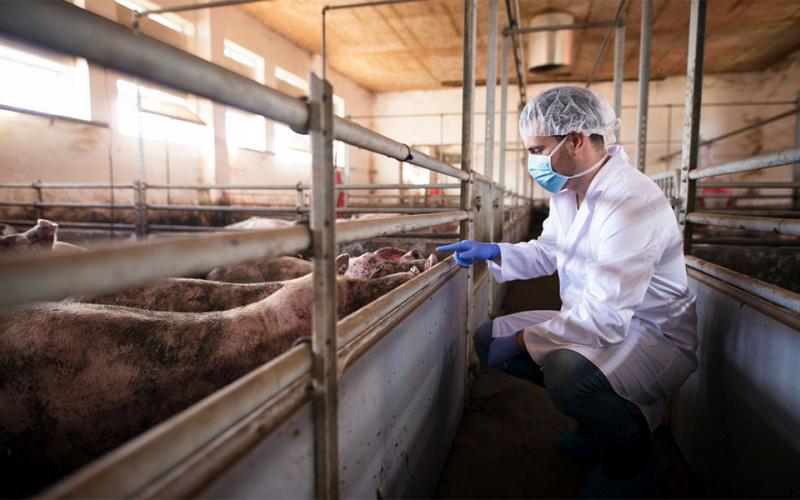
COVID-19 Safety Guidelines for Essential Swine Industry Employees
America’s pig farmers doing the right things to protect people, pigs, and the planet continue, even during this challenging time.
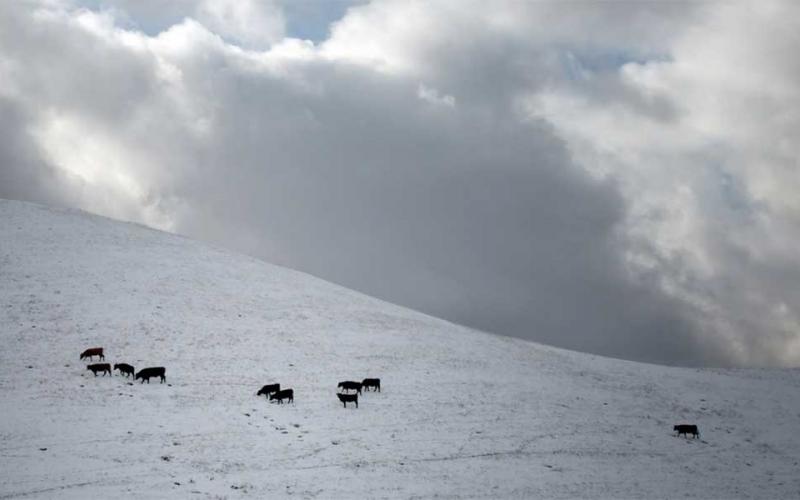
Rotational Grazing During Winter
Winter feed represents one of the largest costs for a livestock production enterprise. Grazing pasture that has been stockpiled for winter use is a rational alternative to limit costs resulting from both harvest and feeding of hay.
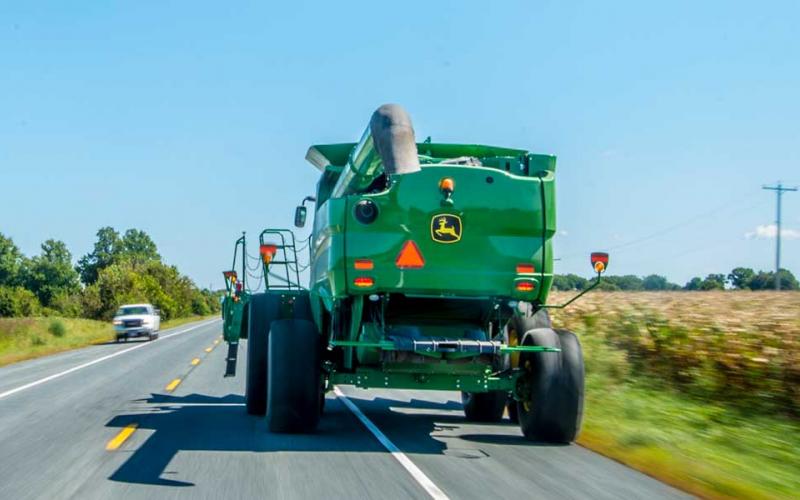
Roadway Safety During Harvest
If you have been on the roads lately, you have probably noticed that harvest has started. Producers and non-agricultural drivers have a shared responsibility to travel safely and share the road during this busy time of the year.
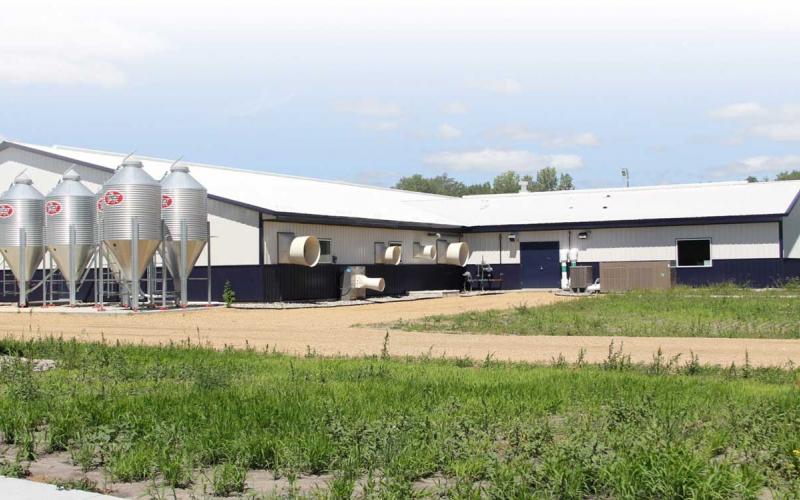
Basic Ventilation System Design for Pork Producers
Ventilation systems have the potential to maximize swine production with regard to animal growth and performance. Understanding the rationale behind their design can help any manager do the best job possible.
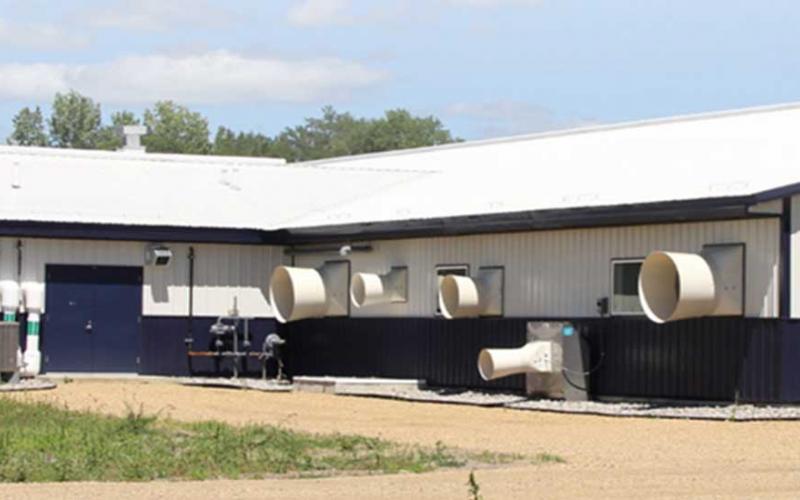
Understanding Fan Performance Metrics and Variability
As we move into the summer season, it is important to check for proper function of fans in your operation. When selecting new or replacement fans, it is critical to evaluate the flowrate requirement at the static pressure you will be operating, compare the efficiency of fan options, and ask your equipment supplier for detailed performance specifications.