Farm Management
All Farm Management Content
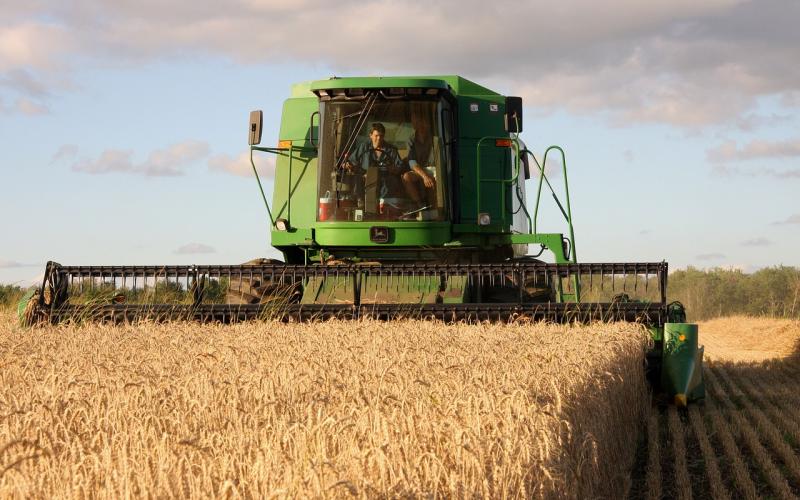
Factors Affecting Wheat Production Decisions: Producer survey findings
Recent USDA data shows that during the past 3 years acres devoted to wheat production continue declining in both South Dakota and North Dakota (USDA, 2018). South Dakota wheat acres experienced a remarkable decrease of 31.5% during the past 3 years, compared with a relatively mild drop of 16.4% by North Dakota.
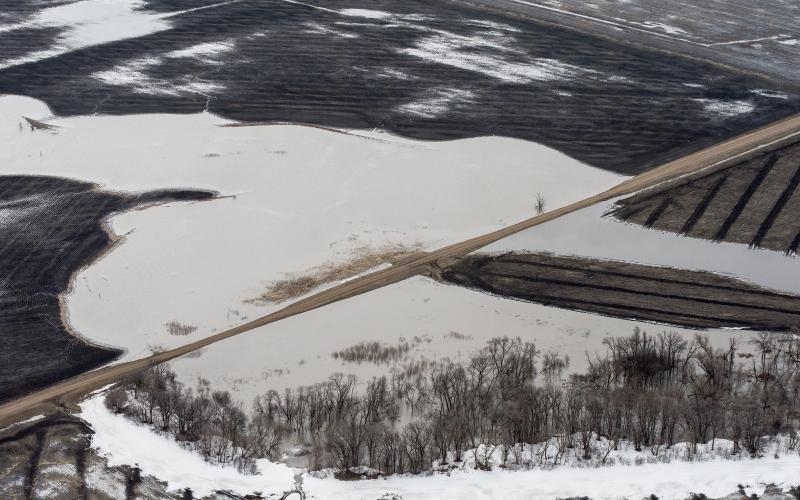
Managing Soil and Soil Fertility After Flooding
During floods, your fields will experience different amounts of erosion, sediment deposition, and crop residue accumulation. To avoid compaction of these soils it is crucial to let soils drain and dry out sufficiently before removing any large debris from fields or working the soil.
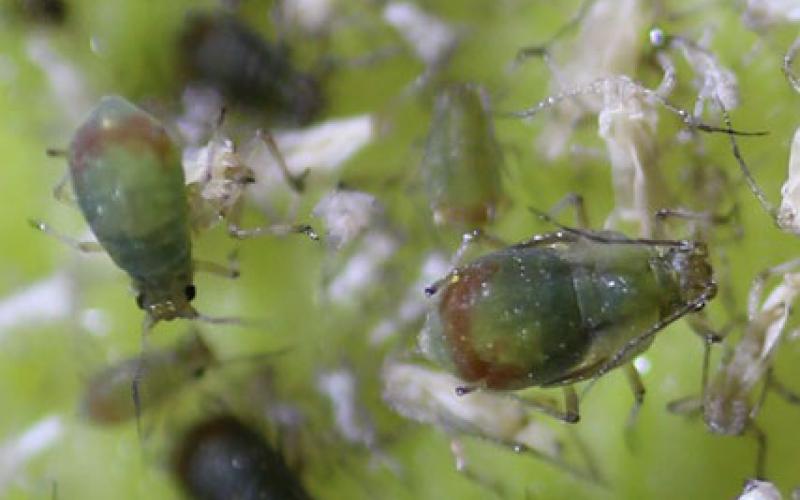
Scouting Winter Wheat for Aphid Pests
Although we cannot predict aphid pressure in winter wheat, there are measures that may be taken to reduce the risk associated with these insects.
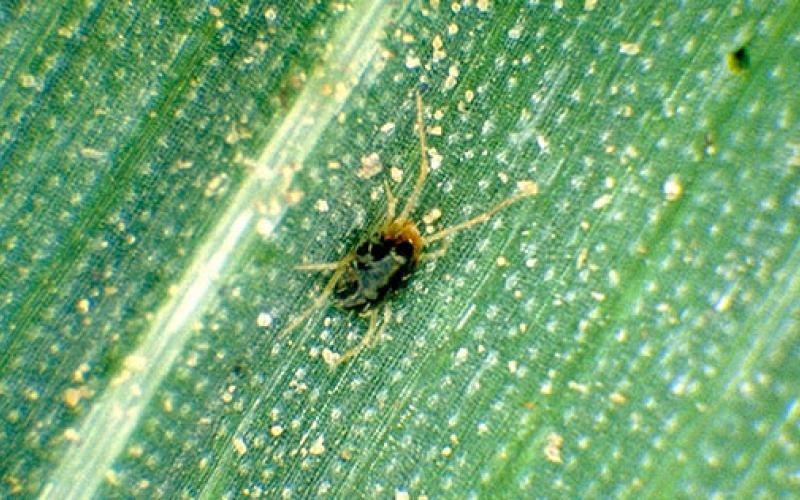
Scouting Winter Wheat for Mite Pests
Winter wheat planting is underway in South Dakota. After wheat emergence, it is important to scout for brown wheat mite and wheat curl mite populations.
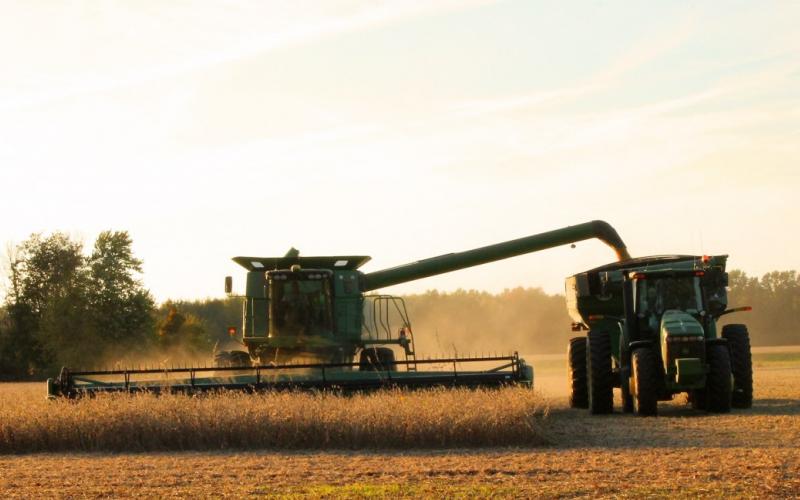
Harvesting For Maximum Soybean Yields
Numerous studies have been conducted over the last 40 years on soybean combine losses which show that yield loss can be as high as 15 percent.

Why the 250 Threshold is Still Appropriate for Soybean Aphids
When gearing up for soybean aphid scouting, it is important to think about the population densities that warrant insecticide management.
![Soybean seed drill planting soybeans. Courtesy: Soybean Checkoff [CC BY 2.0].](/sites/default/files/styles/teaser_800x500/public/2019-02/W-M11461-00-soybean-planting-seeding.png?h=8e25fbe3&itok=F5rUzZIx)
Improve Soybean Profitability by Reducing Input Costs
While declining prices and increasing costs considerably reduce profit for soybean production, there are certain input costs that might be reduced to increase profitability.

Trade Impacts on Soybeans
Agricultural trade agreements were first established in the General Agreement on Tariffs and Trade (GATT), legal treaty signed initially by 23 nations in 1947. The purpose was to promote international trade by reducing barriers such as tariffs.
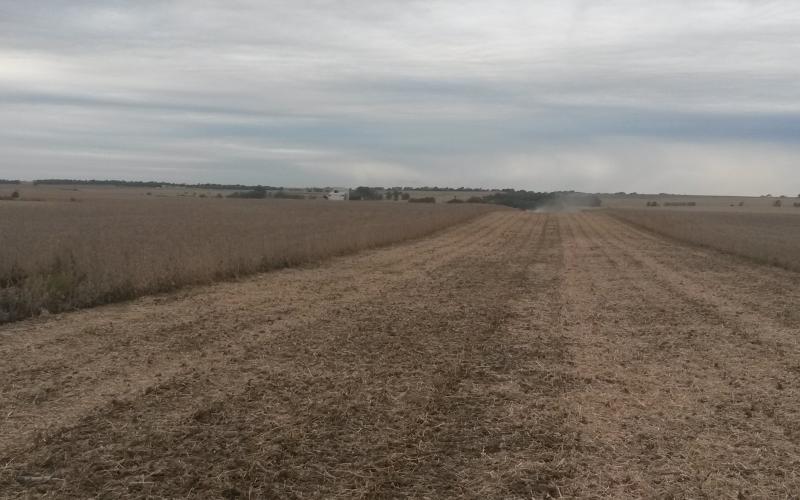
Soybean Investigations: Research on Your Farm Seeks Farmer Cooperators
SDSU Extension and the South Dakota Soybean Research and Promotion Council are seeking South Dakota Soybean Growers willing to participate in a farmer-led on-farm strip trial research program.
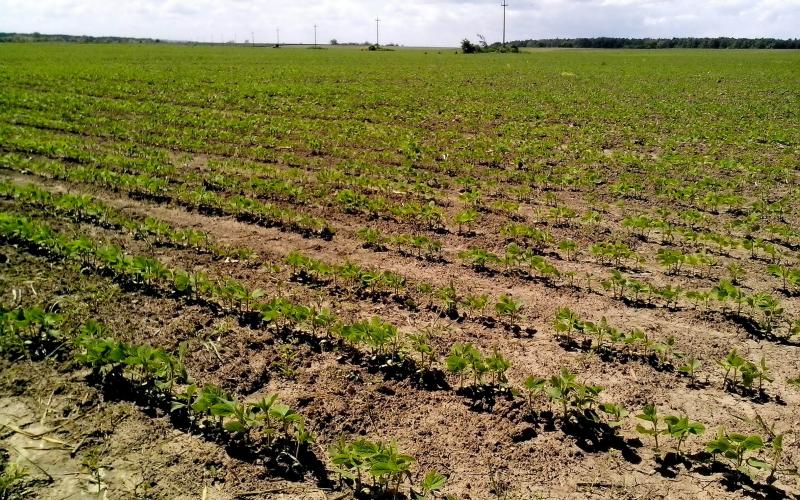
Soybean Production: Cost-effective pest management practices
Chemicals were one of the most expensive individual costs in soybean production, behind only to seed in the non-land cost category. The average cash-rent soybean production farms incurred a crop chemical cost of $39/ac in 2015, an 88% increase from 2010.