Content by Warren Rusche
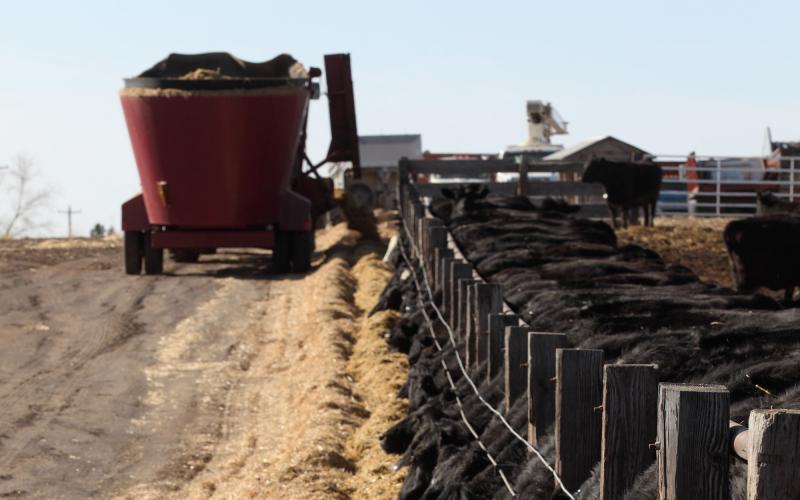
What Goes Into Calculating Yardage?
Yardage cost is the non-feed cost per head for every day that an animal is fed harvested feed in some form of confinement. Yardage is usually associated with calves and yearlings in the feedlot, but this concept can apply to drylotted or wintering cows as well.
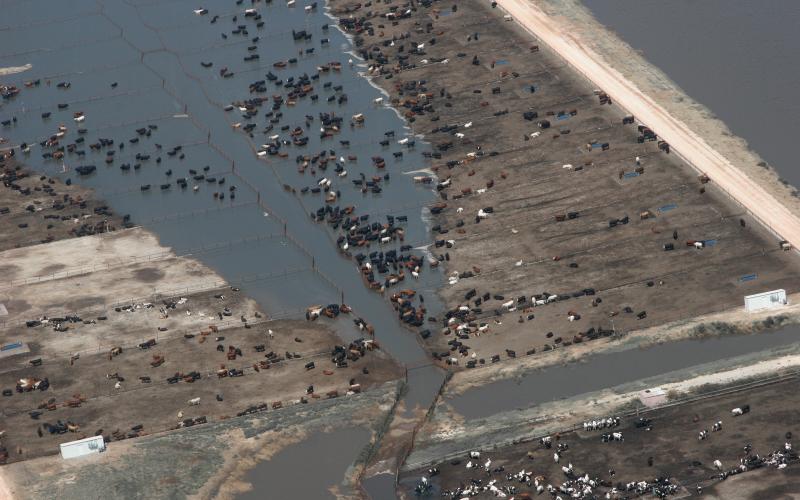
Dealing With Spring Mud and Flooding
As the snow melts, we are going to be left to deal with mud at a minimum and extensive flooding as a possible worst-case scenario. While we can’t control the pace of melting or the possibility of additional precipitation, we may be able to take a few steps to mitigate the negative impacts.
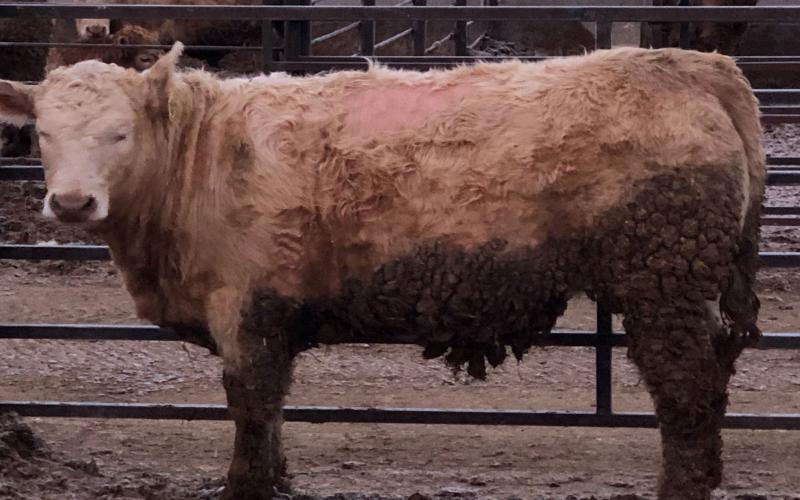
Winter Lice Control
Seeing cattle rubbing hair off due to lice infestations can be extremely frustrating. Not only are the cattle damaging fences and equipment, there also can be performance losses and health issues not to mention that the cattle are simply not as visibly appealing, which can be very important for seedstock producers or feeders selling backgrounded feeders.
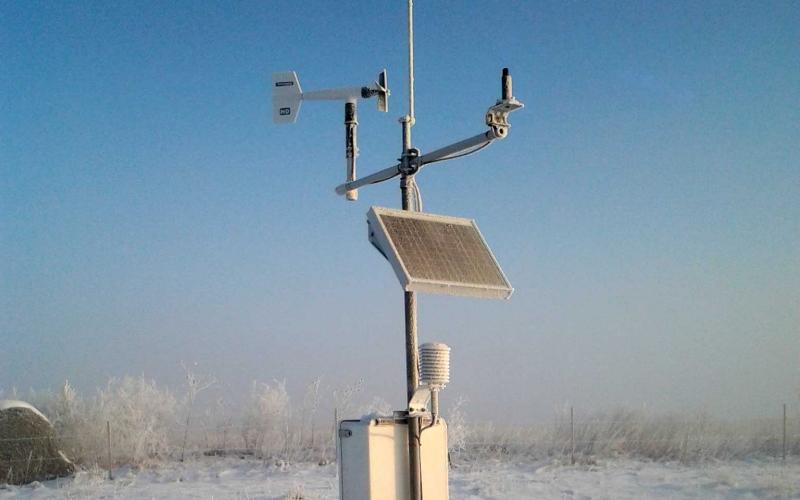
SDSU Extension and South Dakota Mesonet team up to release the Livestock Stress Tool
November 18, 2021
Weather conditions in the Northern Plains can present many challenges for livestock producers. Farmers and ranchers need to be prepared for rapidly changing conditions to provide the best care for their livestock and minimize their risk of losses.
Livestock Stress Tool
Weather conditions in the Northern Plains can present more than a few challenges for livestock producers. From below zero or blizzard conditions during winter or even spring, to heat waves in the summer months, farmers and ranchers need to be prepared for rapidly changing conditions to provide the best care for their livestock and minimize their risks of losses.
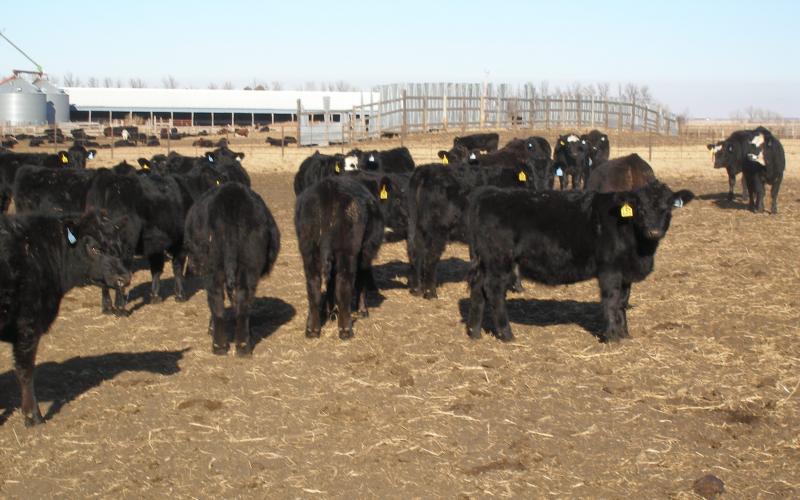
Choosing the Right Custom Feeding Partner
Custom cattle feeding can be a “win-win” strategy when done correctly. Feeding someone else’s cattle provides a method to market feedstuffs without tying up the capital required to own the livestock.
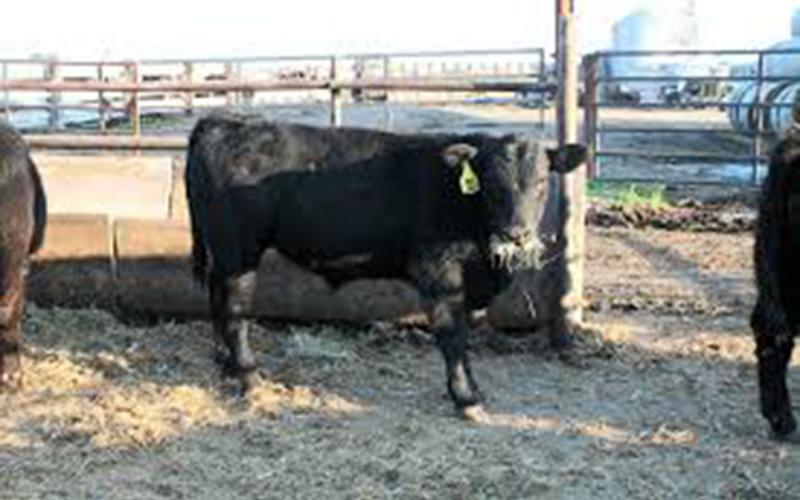
Choosing Beef Genetics for Use in Dairy Herds
Combinations of new technologies and economic challenges often usher in sweeping changes and opportunities. The use of beef genetics on dairy cows is the most-recent example.
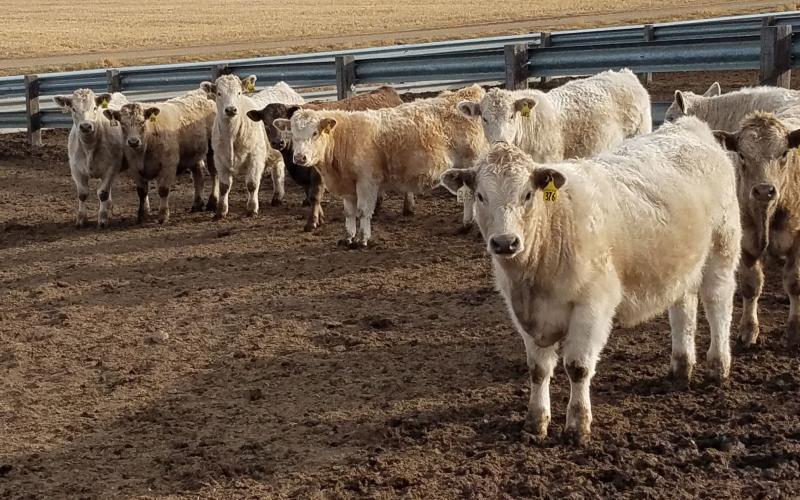
Feeding Value of Light Test Weight Corn
Whether due to planting delays, a cooler growing season, or an unexpectedly early frost, stress factors sometimes result in crops that do not meet standard test weight requirements. So how does reduced test weight affect the feeding value of corn and cattle performance?
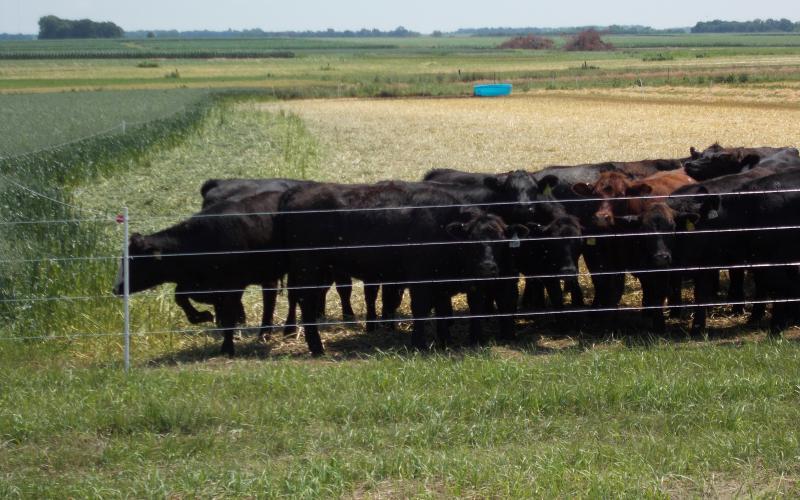
Weaning Calves on Cover Crops
What do we do if it is time to wean calves, but the pen isn’t ready? That can be a real concern during wet fall seasons, such as 2019. Putting calves into muddy pen conditions is far from desirable, but holding calves on the cows deep into fall increases the risk of adverse winter weather and tends to pull body condition off the cows.

Harvesting High-Moisture Corn and Earlage
Producers who raise both corn and cattle have the option of harvesting some or all of their corn acres as a high-moisture grain crop to be marketed through cattle. There are several advantages to harvesting corn earlier at a high-moisture content.