Content by Warren Rusche
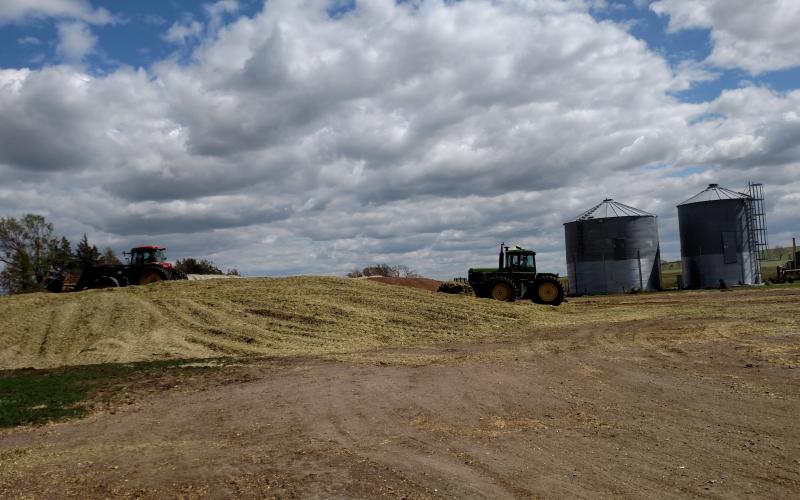
Silage Moisture Testing Tips
Two key points to keep in mind when making high-quality silage are moisture content before harvest and nutrient content before feeding.
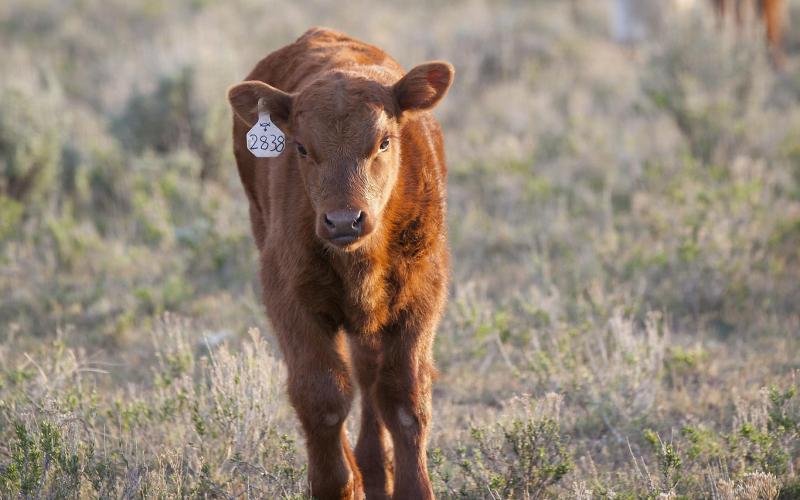
Managing Light-Weight Calves
Weaning calves early is a powerful management tool to reduce demands on range and pasture.
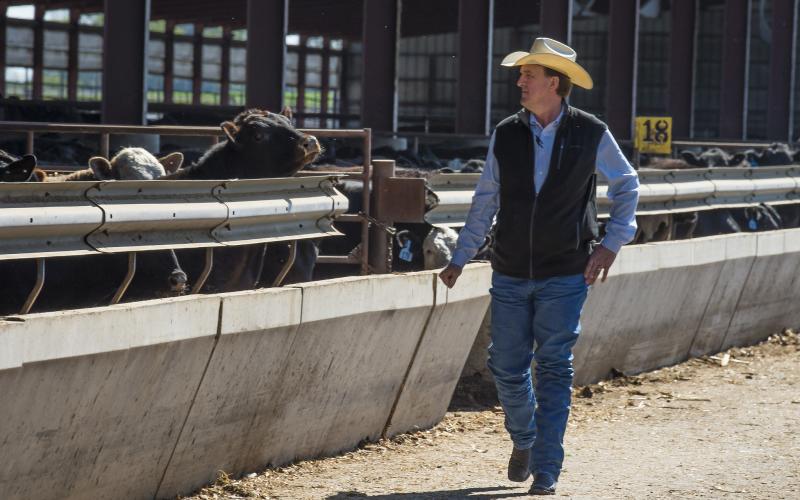
Making Use of “Ugly” Feeds
Feed does not have to be perfect to be useful. The key to making smart feeding decisions is knowing what the imperfections are and adjusting accordingly.

Supplementing Cows on Pasture to Stretch Forage Supplies
With dry conditions spreading quickly across the Dakota’s, producers are forced to make challenging decisions on how many cow/calf pairs to turn out to pasture, and then determine how long the pastures will even last if moisture doesn’t come soon. During the spring/summer months, supplementing grass with energy and protein can decrease forage dry matter consumption.
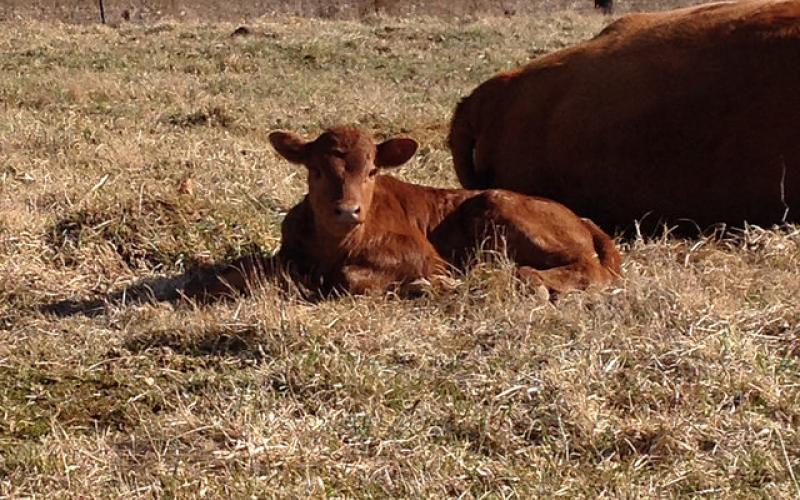
Early Weaning as a Drought Management Strategy
Successfully managing drought conditions requires balancing the amount of forage demanded by grazing livestock with the amount produced.
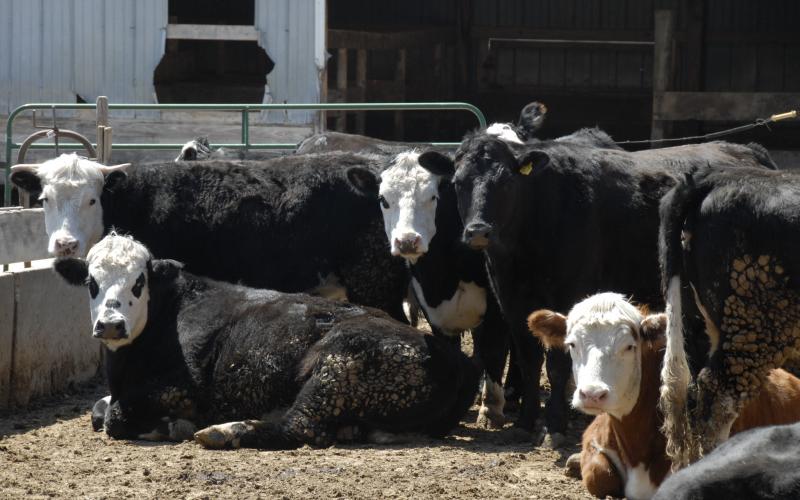
Liver Abscesses: The Unseen Profit Thief
Liver abscesses are a great example of an important value robber in feedlot cattle that’s not immediately apparent.
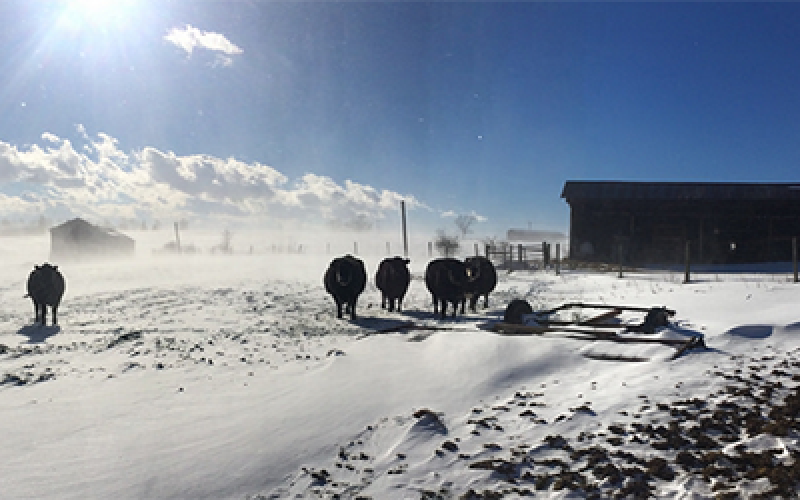
How Does Cold Stress Affect the Energy Needs of Cattle?
Most beef producers understand that when the weather gets colder their cattle need more energy for maintenance. The questions are when do cattle start experiencing cold stress and then how much more energy do they need? Both the actual temperature and the wind speed interact to determine the effective temperature.
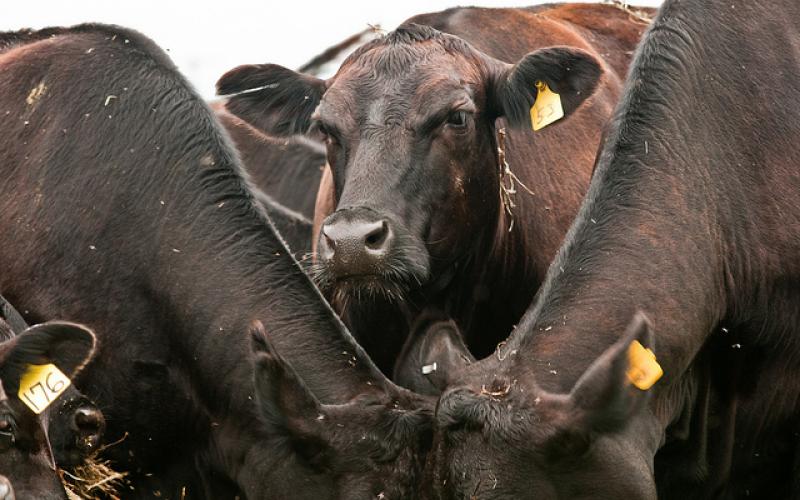
Feeding Drought-Stressed Crops to Cattle
Can drought-stressed crops be be utilized as feed? The answer is yes, if we know what the levels of nitrates are in the feedstuffs in question.
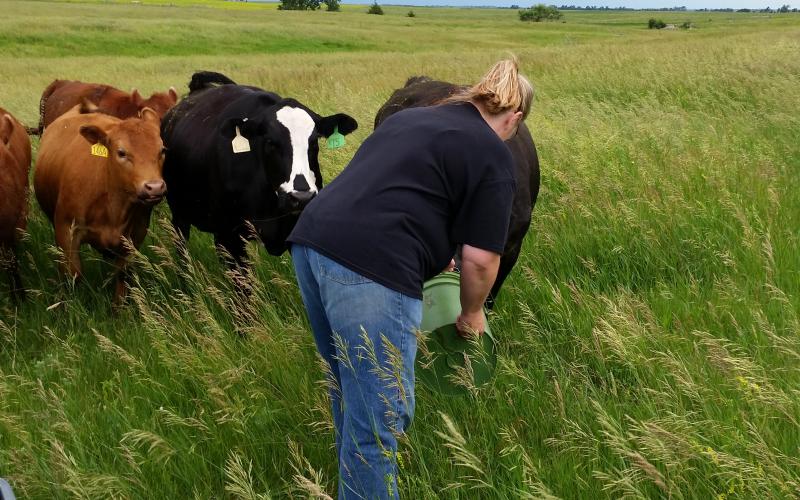
Successful Heifer Synchronization Using MGA
Effective estrous synchronization protocols are one of the keys to successful AI projects.
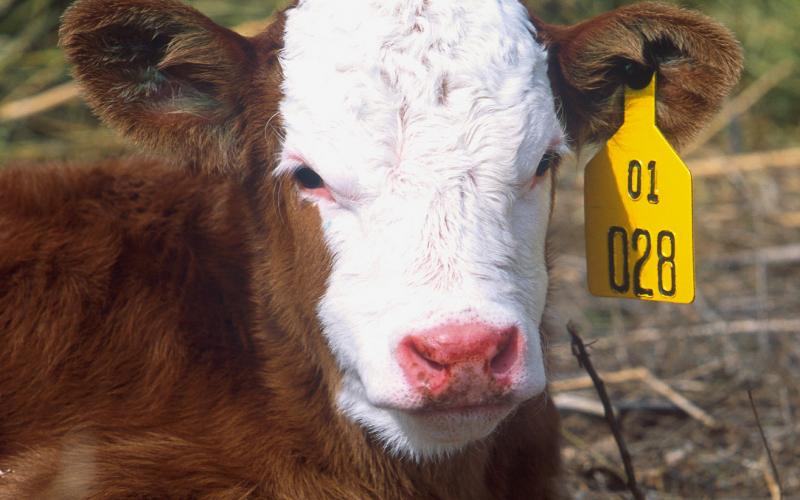
Economic Considerations for Early Weaning
There is an excellent reason why ranchers use early weaning as a drought management tool: Weaning calves early reduces the amount of feed required to maintain the cow.