Content by Krista Ehlert
Sustainable Agriculture Curriculum Now Available for Middle School Educators
July 21, 2021
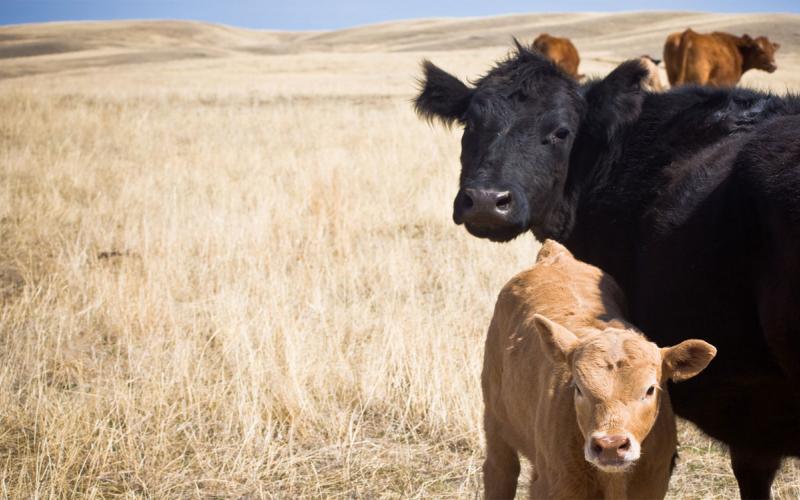
South Dakota State University Extension has launched a new educational program for middle school science teachers, homeschoolers and 4-H youth program advisors looking to add a sustainable agriculture curriculum to their lesson plans.
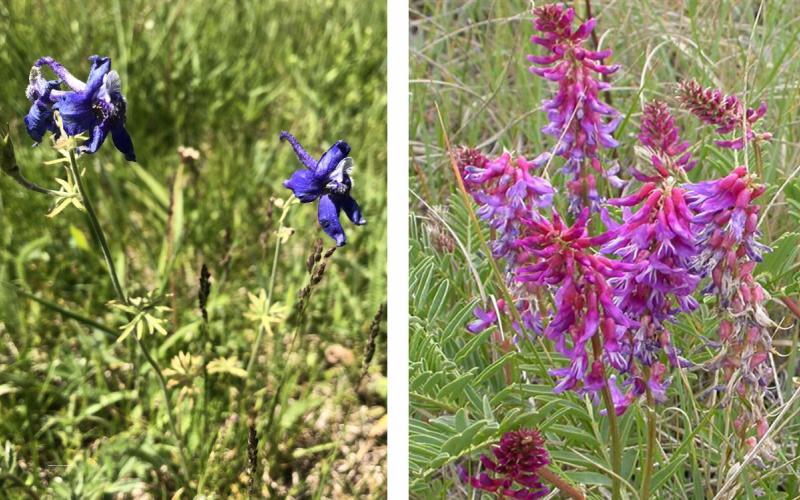
Poisonous Plants on Rangelands: Larkspur and Poisonvetch
Larkspurs are the second leading cause for all livestock deaths from toxic plant poisoning. Poisonvetches are considered accumulator plants that uptake excessive levels of selenium and cause toxicity problems in cattle.
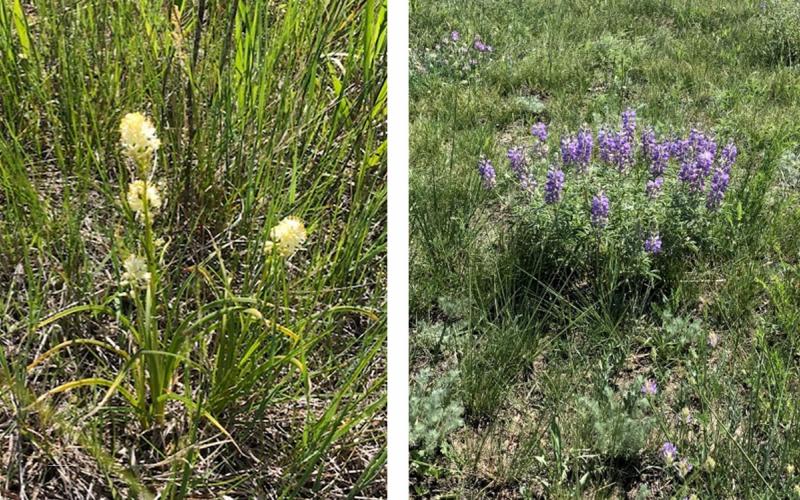
Poisonous Plants on Rangelands: Deathcamas and Lupine
With prolonged drought conditions throughout many areas of South Dakota, there is an increase of invasive weeds and poisonous plants on rangelands. Identification of poisonous plants is crucial to ensure livestock production is not compromised.
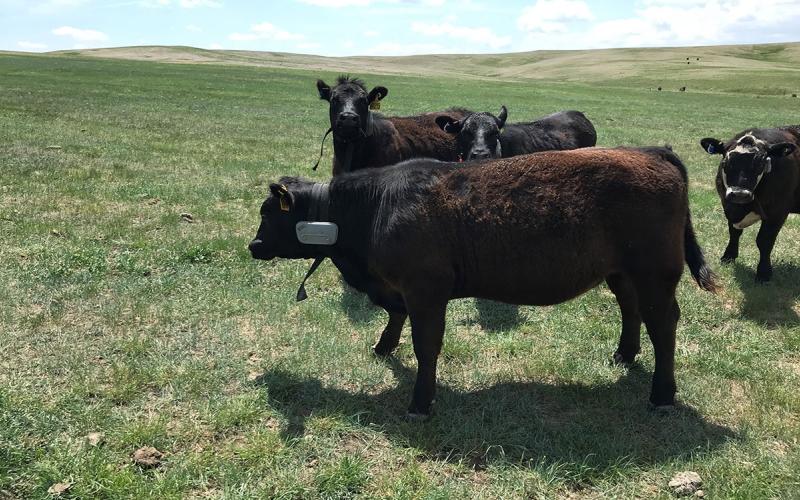
Range Roundup: Virtual Fencing Project Takes Place at the Cottonwood Field Station
Virtual fencing (borders without physical barriers) has started making waves in the cattle industry, and it can be used to implement precision grazing management. Our team is researching its use and utility at the SDSU Cottonwood Field Station starting this summer.
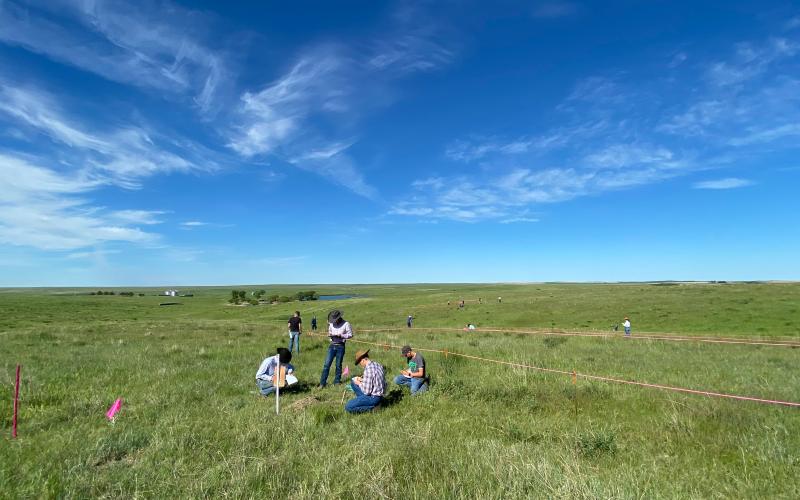
SDSU Extension Announces Rangeland and Soils Day Results
June 14, 2021
The first place 4-H teams in each judging event from both contest locations will now advance to the National Land and Range Judging Contest in Oklahoma City, Oklahoma in May 2022.
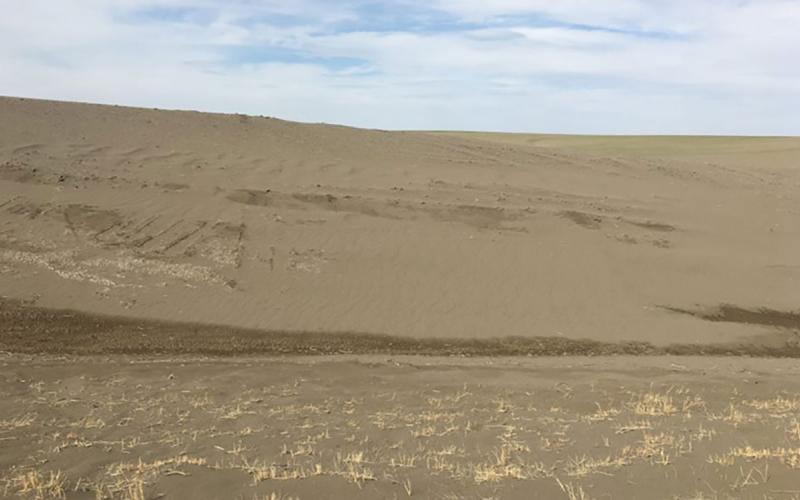
Impacts of Drought on Soil, Water, Forage and Livestock Grazing Systems
Grazing systems are complex, because soil, water, forage and livestock components are interconnected and affect each other. Producers can put themselves back in the driver’s seat by developing annual systems-level grazing plans for favorable and unfavorable situations.
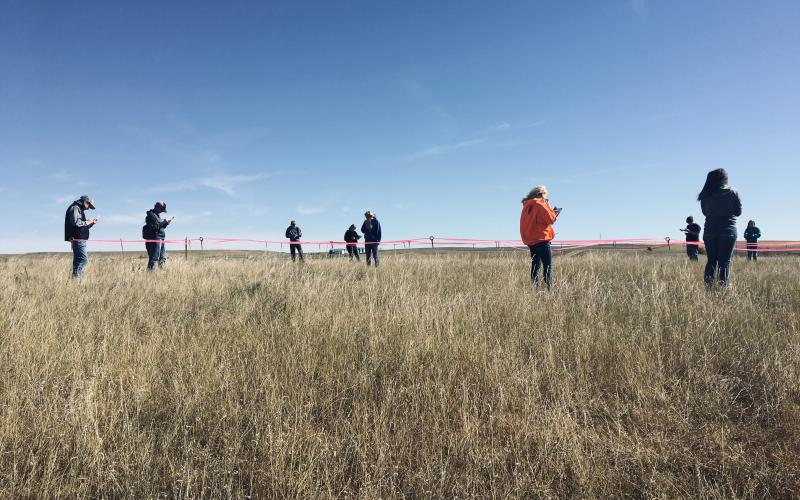
Rangeland and Soils Days set for June 2 in Murdo, Redfield
May 06, 2021
The event will focus solely on the Go-Getter (14-to-18-year-old) division. The Go-Getters will judge habitat suitability for cattle and grouse, in addition to plant identification and morphology.
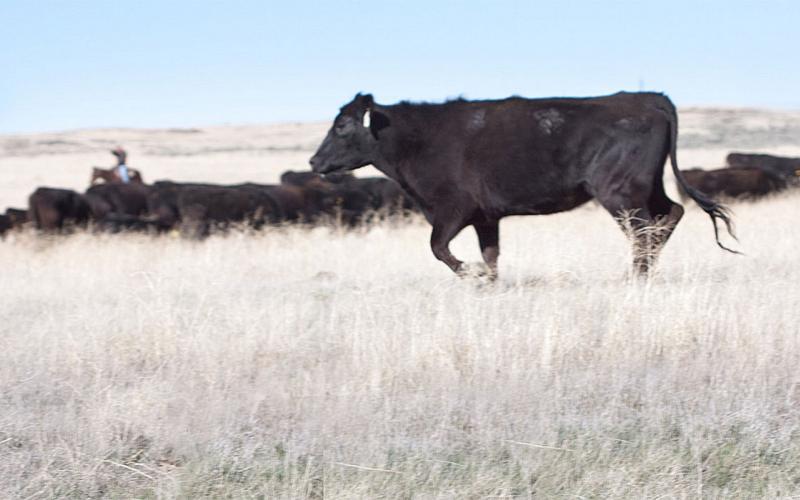
Trigger Dates: Critical Decisions for Drought Management
Having a drought plan in place ensures that you can overcome the inhibitions surrounding a drought response, the basis of which is figuring out trigger dates.
Adaptive Management: One Strategy To Increase Your Operation’s Flexibility and Resiliency
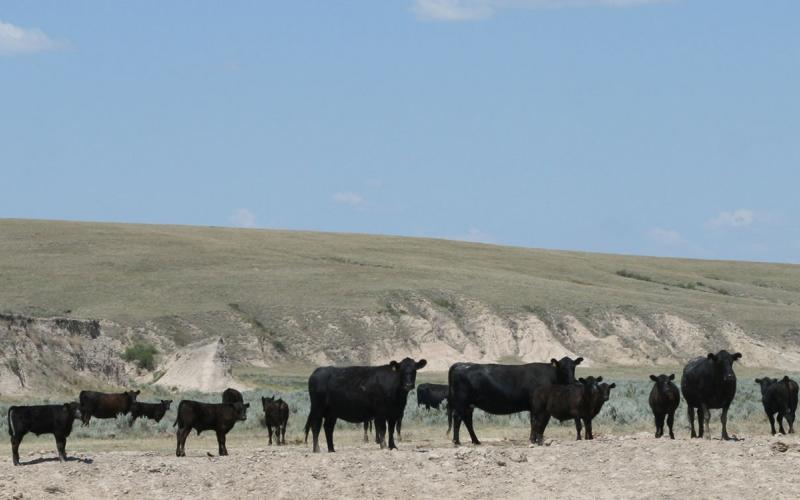
Adaptive management is a strategy that livestock producers can use to manage year-to-year variability in forage production and build drought resiliency for their operations.
South Dakota Range Camp Set for June 29–July 1
April 12, 2021
SDSU Extension is partnering with staff from the United States Forest Service, Bureau of Land Management and Natural Resources Conservation Service to provide a three-day event, the South Dakota Natural Resource Professionals Range Camp.