Soybean Weeds
Recommended Content
Best Management Practices for Soybean Production
This is your unbiased, research-based guide to soybean production to help increase yield, reduce input costs and protect your investment.
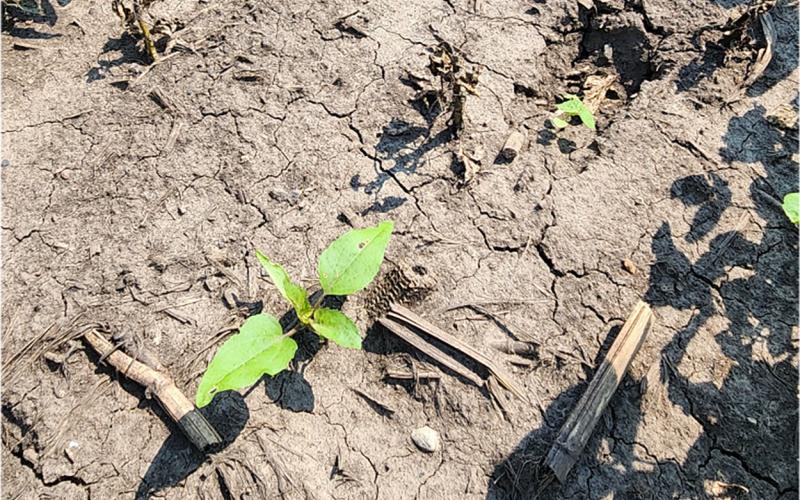
Excess Moisture and Heat Will Likely Increase Weed Growth and Germination
With warmer temperatures on the horizon, crop growth and development is set to rapidly increase, and so is weed growth and germination. Learn some expert tips for scouting and managing later-emerging weeds.
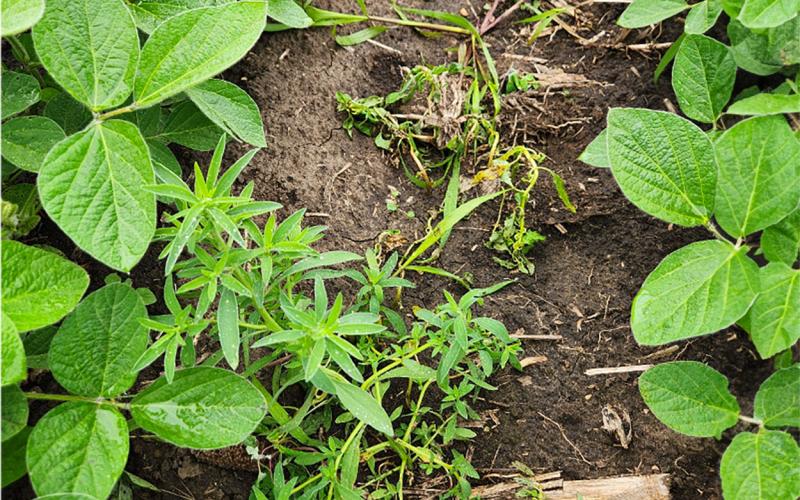
Reminder: One herbicide in the postemergence application will likely not be effective
The SDSU Extension Weed Science Project is currently conducting a plethora of field research evaluating weed management in soybean. One study is investigating the effectiveness of 2,4-D and tank mixtures applied one time to 4-inch weeds.
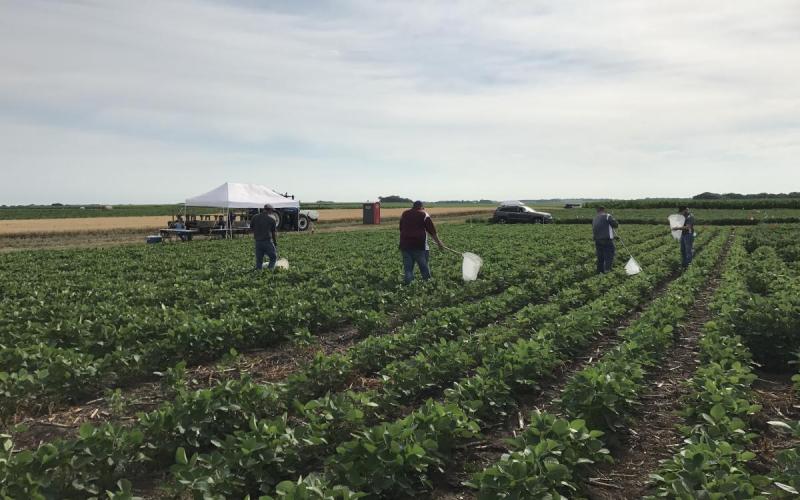
SDSU Extension hosting Integrated Pest Management Field School
July 08, 2024
South Dakota State University Extension will host an Integrated Pest Management Field School on July 23, 2024, by Volga.
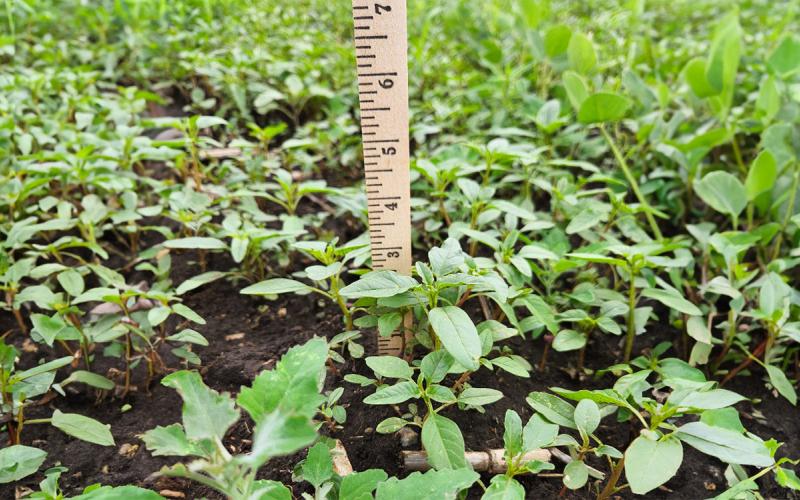
Postemergence Herbicide Applications Need to Happen Soon in Soybean
In soybean crops, postemergence herbicides should be applied to smaller weeds, but proper scouting is likely necessary before application. Learn everything you need to know before making an application this growing season.
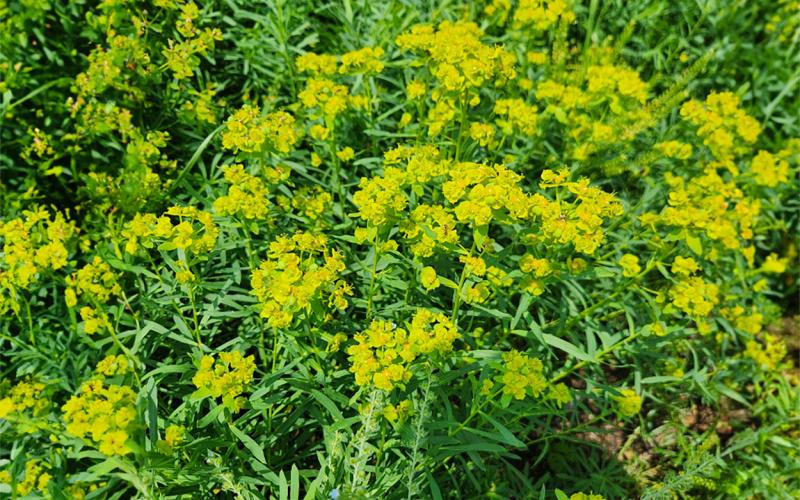
Leafy Spurge Management in the Early Summer
Early summer and fall integrated management tactics are critical for leafy spurge management. Now is the time to consider implementing early summer management tactics for leafy spurge.

Dicamba Cannot be Applied Postemergence in Dicamba-Tolerant Soybeans After June 20
With weather delaying the planting of soybean, the clock is ticking to spray dicamba before the cutoff date of June 20, 2024. Learn what application tactics might work best before the deadline.
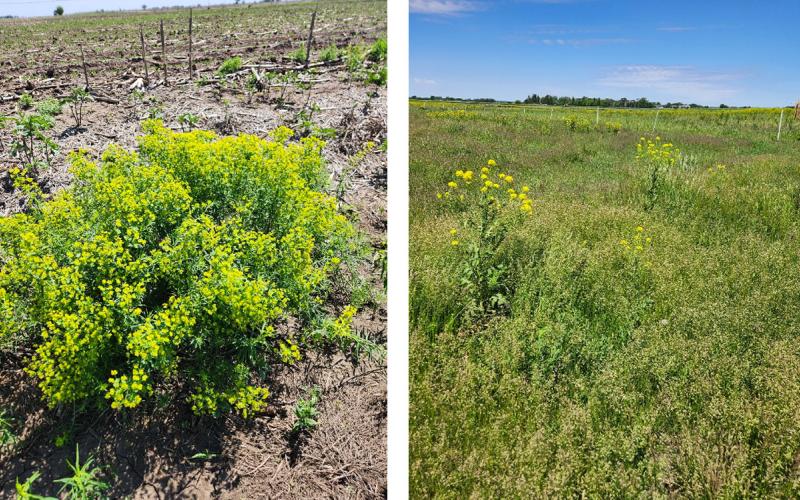
Leafy Spurge or an Imposter?
Leafy spurge is a statewide noxious weed that can be difficult to manage. However, are the recent yellow flowers appearing throughout South Dakota landscapes leafy spurge or another species?

Critical Period of Weed Control: A good, but not perfect guideline
The critical period of weed control is the period during a crop lifecycle when weeds need to be managed to avoid a significant yield loss.
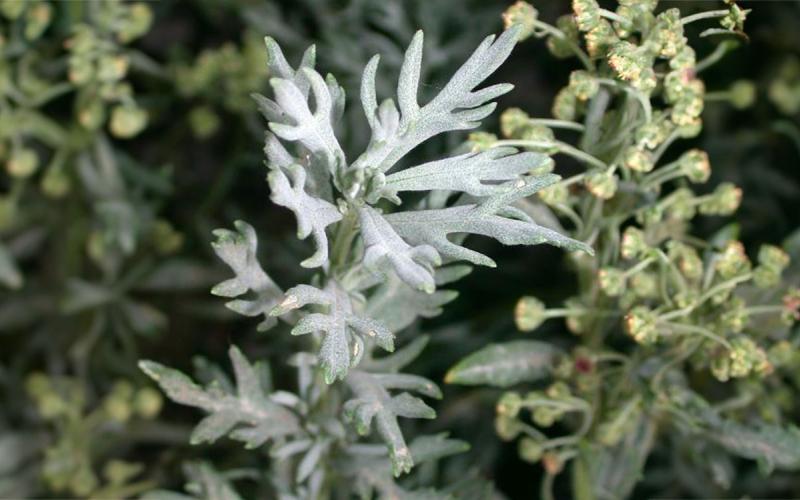
Absinth Wormwood Control in the Spring
Absinth wormwood is a difficult-to-control, noxious weed that can produce great amounts of seed (50,000 seeds per-stem) and spreads only by seed, illustrating the importance of management prior to seed production.
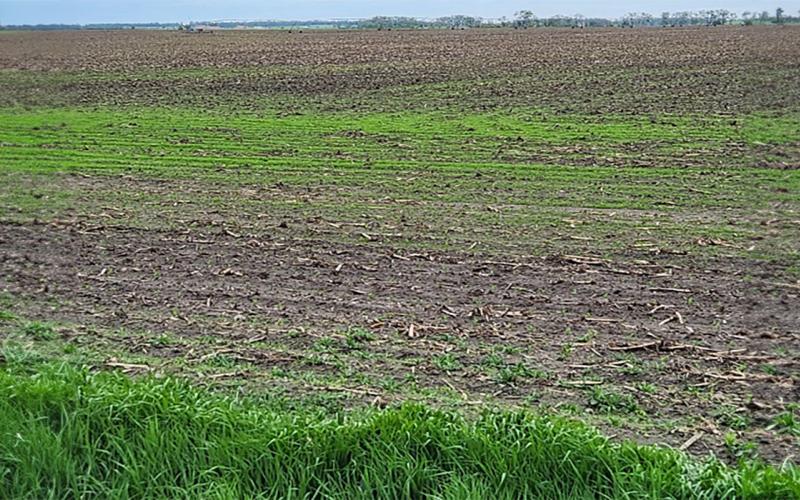
Weeds Are Starting to Emerge: Even After a Preemergence Herbicide Application
During recent scouting, weeds were noticed in plots treated with preemergence herbicides. Learn some troubleshooting considerations to help determine why some weeds emerge following preemergence treatments.